
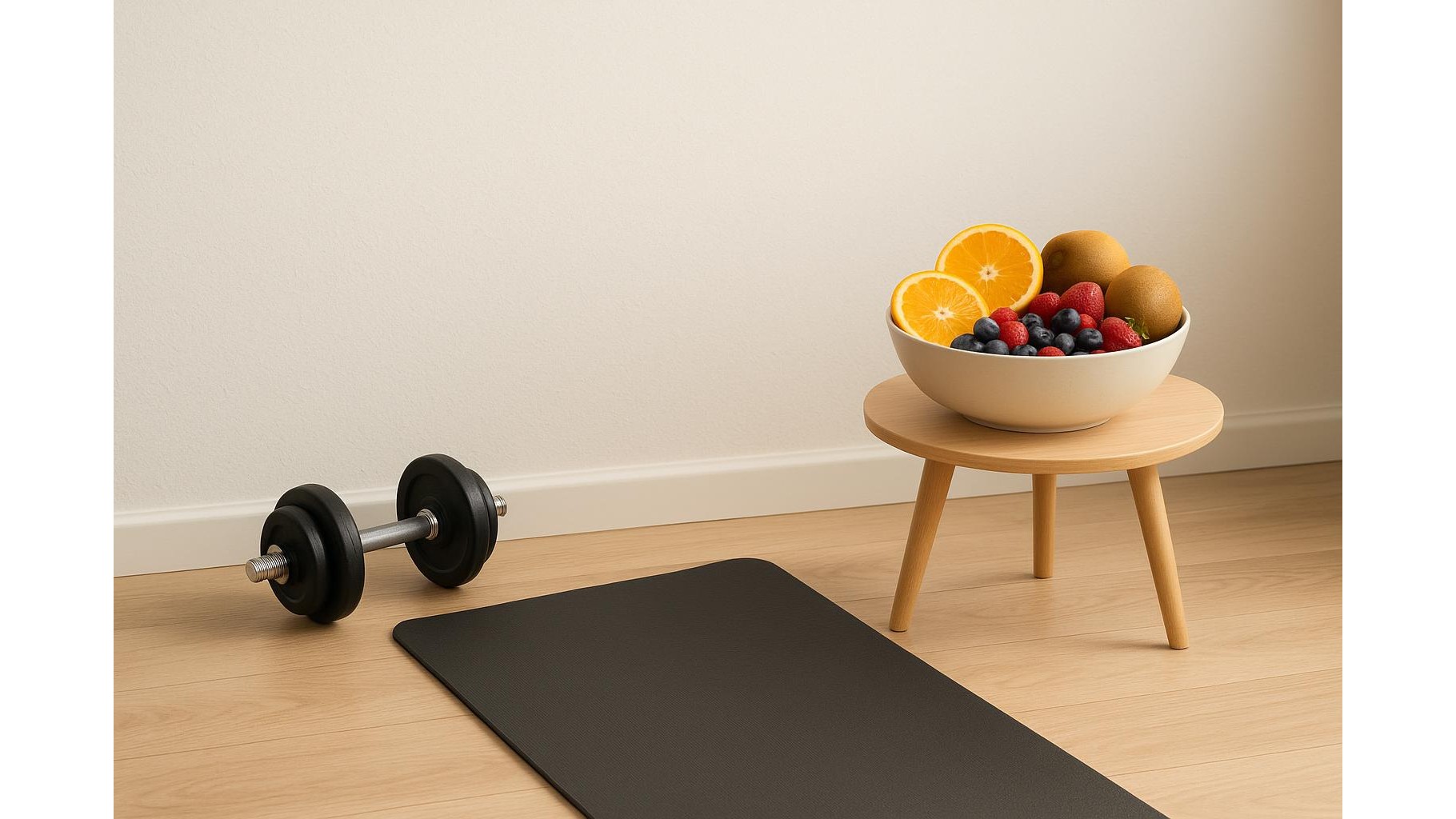
Training consistently in your home gym pushes your body to adapt, but it also increases demands on your immune system, recovery and nutrient status. One nutrient that often comes up in fitness circles is vitamin C. Beyond its reputation as a cold‑fighter, vitamin C plays concrete roles in immune support, iron absorption and collagen production, all relevant for home athletes who want to stay healthy and progress. This article looks at what science actually says, how to cover your needs with food, when supplements make sense and why megadoses are usually unnecessary.
Why vitamin C matters for home athletes
Vitamin C (ascorbic acid) is a water‑soluble antioxidant that helps protect cells from exercise‑induced oxidative stress. For home athletes doing regular strength training, HIIT or endurance sessions on a bike or treadmill, vitamin C supports immune function by helping white blood cells work efficiently and protecting them from damage. It is also essential for collagen synthesis, a major component of tendons, ligaments and cartilage, so getting enough supports joint and connective tissue health over time. Finally, vitamin C improves non‑heme iron absorption from plant foods, which is particularly important if you follow a vegetarian or mostly plant‑based diet while training at home.
Daily needs, timing and signs you might fall short
For most active adults, a daily intake of around 100–200 mg of vitamin C is enough to saturate body tissues; this is not difficult to achieve with a well‑planned diet. Intense training blocks, calorie deficits for fat loss or very low fruit and vegetable intake can increase the risk of suboptimal levels. Signs of low vitamin C can include fatigue, easy bruising, slow wound healing and frequent minor infections, although these symptoms are non‑specific. In terms of timing, athletes benefit from a steady intake across the day rather than a single huge dose; the body absorbs small to moderate amounts better and excess is simply excreted in urine. For most home athletes, the priority is consistent daily intake, not precise pre‑ or post‑workout timing.
Food sources: building a vitamin C‑friendly home diet
Before considering supplements, it makes sense to optimise vitamin C from whole foods. Excellent sources include citrus fruits (oranges, grapefruit), kiwis, strawberries, blackcurrants, bell peppers, broccoli and kale. A simple home‑friendly strategy is to add a portion of fruit to your post‑workout snack and include a vitamin C‑rich vegetable with at least two meals per day. For example, oats with kiwi at breakfast, a chickpea salad with red pepper at lunch, and steamed broccoli at dinner will comfortably cover daily needs. Because vitamin C is sensitive to heat and light, using some raw or lightly cooked produce (like fresh peppers or salad greens) helps preserve its content, supporting your recovery and immune defences throughout your training week.
Vitamin C, iron absorption and recovery
One key advantage of adequate vitamin C intake for home athletes is improved iron absorption, especially from plant sources such as beans, lentils and spinach. Vitamin C converts iron into a form that is easier for the gut to absorb, helping to maintain healthy iron status and support oxygen transport and energy production during workouts. Practically, this can be as simple as adding fruit or a squeeze of lemon juice to meals that contain plant‑based iron. While vitamin C alone does not dramatically boost performance, preventing marginal deficiencies in both vitamin C and iron can reduce fatigue, support better training quality and contribute to faster recovery session after session.
When supplements make sense (and when they do not)
For many home athletes with a varied diet, a dedicated vitamin C supplement is not strictly necessary. However, there are scenarios where supplementation is practical: periods of heavy training combined with calorie restriction, limited access to fresh produce, smoking, or medically diagnosed increased needs. In these cases, a moderate dose (for example, 200–500 mg per day) is typically sufficient. Very high doses (above 1,000 mg) have not consistently shown extra benefit for performance or immunity and may even blunt some training adaptations to endurance and strength work by excessively dampening beneficial oxidative signals. They can also cause digestive discomfort in some people. A food‑first approach, with supplements used as a convenient backup, is usually the smartest strategy.
Practical vitamin C strategies for your home gym routine
To integrate vitamin C into your daily routine, focus on simple, repeatable habits. Aim to include at least two servings of fruit and two servings of vegetables that are naturally rich in vitamin C every day. Build a recovery snack that pairs protein with fruit, such as Greek yogurt and berries, to support both muscle repair and immune health. If your diet is inconsistent—perhaps during busy work periods—consider a modest vitamin C supplement as an insurance policy rather than a magic bullet. Monitor how you feel across weeks: stable energy, fewer minor colds and good training consistency are signs that your overall nutrition, including vitamin C, is supporting your home fitness goals.
In summary, vitamin C is a small but important piece of the home athlete puzzle. It supports immune function, enhances iron absorption and contributes to collagen production, all of which help you train consistently and recover well. Most people can cover their needs through a diet rich in fruits and vegetables, with supplements playing a secondary role when lifestyle or training demands make this difficult. Rather than chasing megadoses or miracle claims, focus on consistent daily habits that keep your vitamin C intake in the optimal range so you can get the most from every home workout.









