
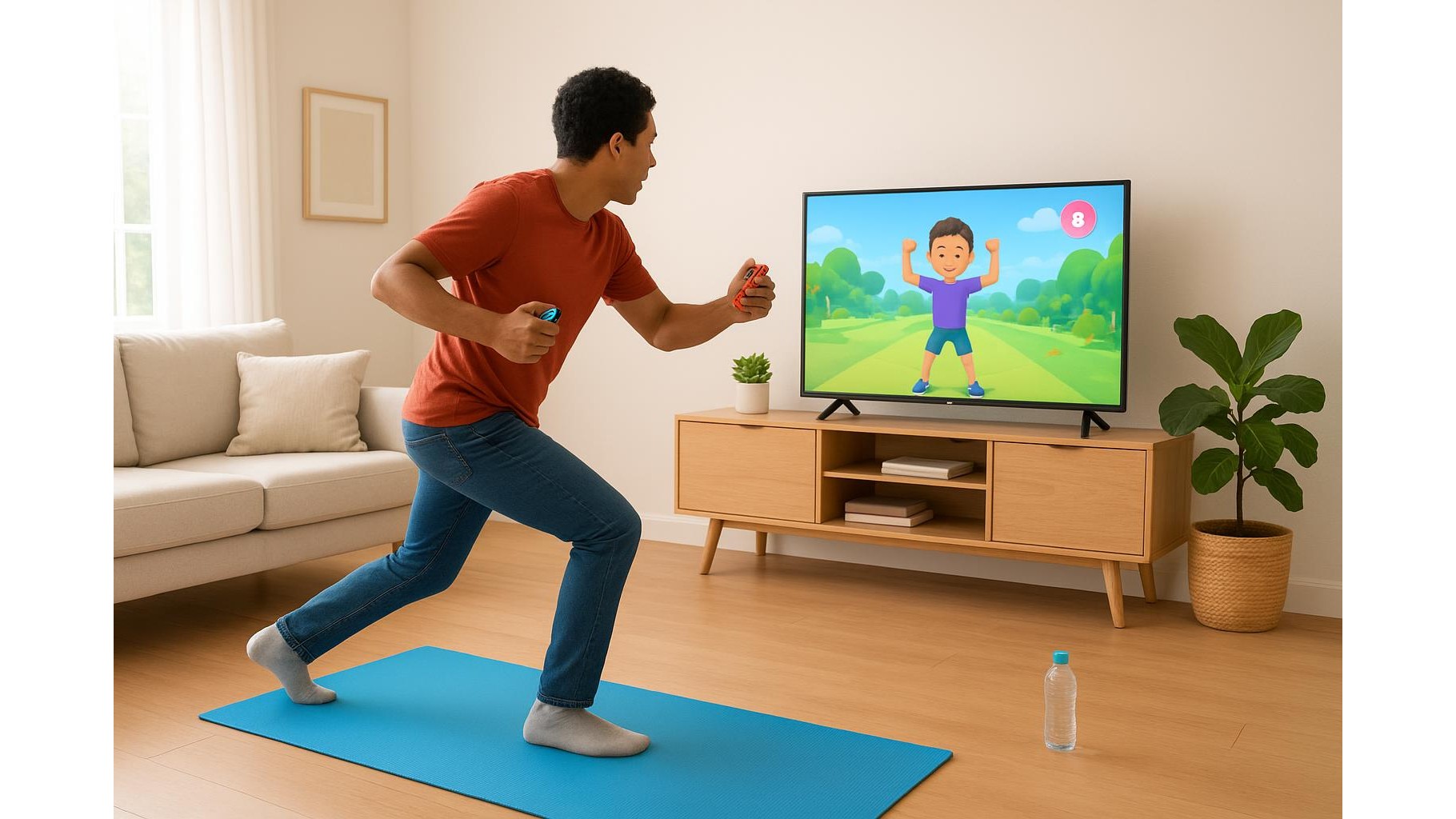
Turning your Nintendo Switch into a home workout machine is easier than you think. Movement-based games can deliver genuine cardio, strength and mobility training if you use them with intention instead of casually. By planning sessions, scaling intensity and combining them with simple bodyweight moves, you can build a surprisingly complete home gym routine with nothing more than your console, some floor space and a bit of structure.
Why Switch fitness games can be real training
Most Nintendo Switch fitness games use the Joy‑Con motion sensors to turn squats, punches and running in place into game actions. That means you’re not just pressing buttons, you’re performing repeated, full‑body movements that elevate heart rate. Titles like ring‑based adventures, dance games and boxing simulators can easily push you into moderate or even vigorous intensity if you minimize pauses and pick challenging modes. The key difference between casual play and proper workouts is structure: defined warm‑up, main set and cool‑down, plus tracking of time, effort and progression week after week.
Setting up your space and gear for safe home workouts
Before treating Switch sessions as proper home training, set up your environment. Clear enough space so your arms can fully extend in every direction without hitting furniture, and use a non‑slip surface or exercise mat for moves like squats, lunges and floor work. Keep a water bottle nearby and wear breathable clothing plus supportive trainers, especially for dancing or high‑impact cardio. Turn off overly sensitive motion‑assist options in game menus so the console rewards real movement, not micro‑flicks of the wrist. Finally, decide on a simple schedule, such as three 30‑minute sessions per week, and treat them exactly like you would a gym appointment to build consistency.
How to scale intensity and structure your sessions
To turn play into structured training, think in three phases. First, do 5–10 minutes of gentle in‑game moves such as easy steps, light punches or low squats as a warm‑up. Then increase intensity for 15–25 minutes: choose faster songs, tougher levels or higher resistance options where available, keeping rest screens short to maintain your heart rate. Finish with 5–10 minutes of slower tracks and stretching for cool‑down. You can scale difficulty by adding intervals (one intense song, one easier), increasing session length, or reducing breaks. Aim for a perceived effort of 6–8 out of 10 on your hardest segments so the session qualifies as meaningful cardio training.
Tracking progress and using simple hacks
Even if a game does not offer detailed stats, you can still track your fitness progress. Use a notebook or notes app to log session date, game used, total minutes and a quick rating of how hard it felt. If you have a smartwatch or basic heart‑rate monitor, wear it to estimate calorie burn and time in different heart‑rate zones. Create a small set of benchmark sessions—like a specific playlist of songs or a fixed adventure level—and repeat them every few weeks to see if they feel easier. You can also add simple hacks such as holding light dumbbells during low‑impact moves (where safe) or inserting 30 seconds of bodyweight squats, push‑ups against a wall or planks during in‑game loading screens to sneak in extra strength work.
Combining Nintendo Switch workouts with traditional exercises
The strongest results come when you blend Switch workouts with basic strength training and mobility. Two or three times per week, pair a 20–30 minute in‑game cardio session with a short circuit of bodyweight moves: squats, hip hinges, push‑ups (on knees or against a surface), rows with resistance bands and core exercises like dead bugs or side planks. Use the game for motivation and variety, then use traditional exercises to target muscles more directly and improve posture, joint health and overall strength. Over time, you can create themed days—for example, one dance‑plus‑legs day, one boxing‑plus‑upper‑body day and one lighter, mobility‑focused day—to keep your home fitness routine engaging and sustainable.
Using Nintendo Switch fitness games as real workouts is all about intention. With a safe setup, clear structure, progressive intensity and basic tracking, these games can become a consistent source of cardio, strength and motivation at home. Combine them with simple bodyweight training and stretching, and you have a flexible, low‑barrier home gym system that turns screen time into genuine, measurable fitness gains.









