
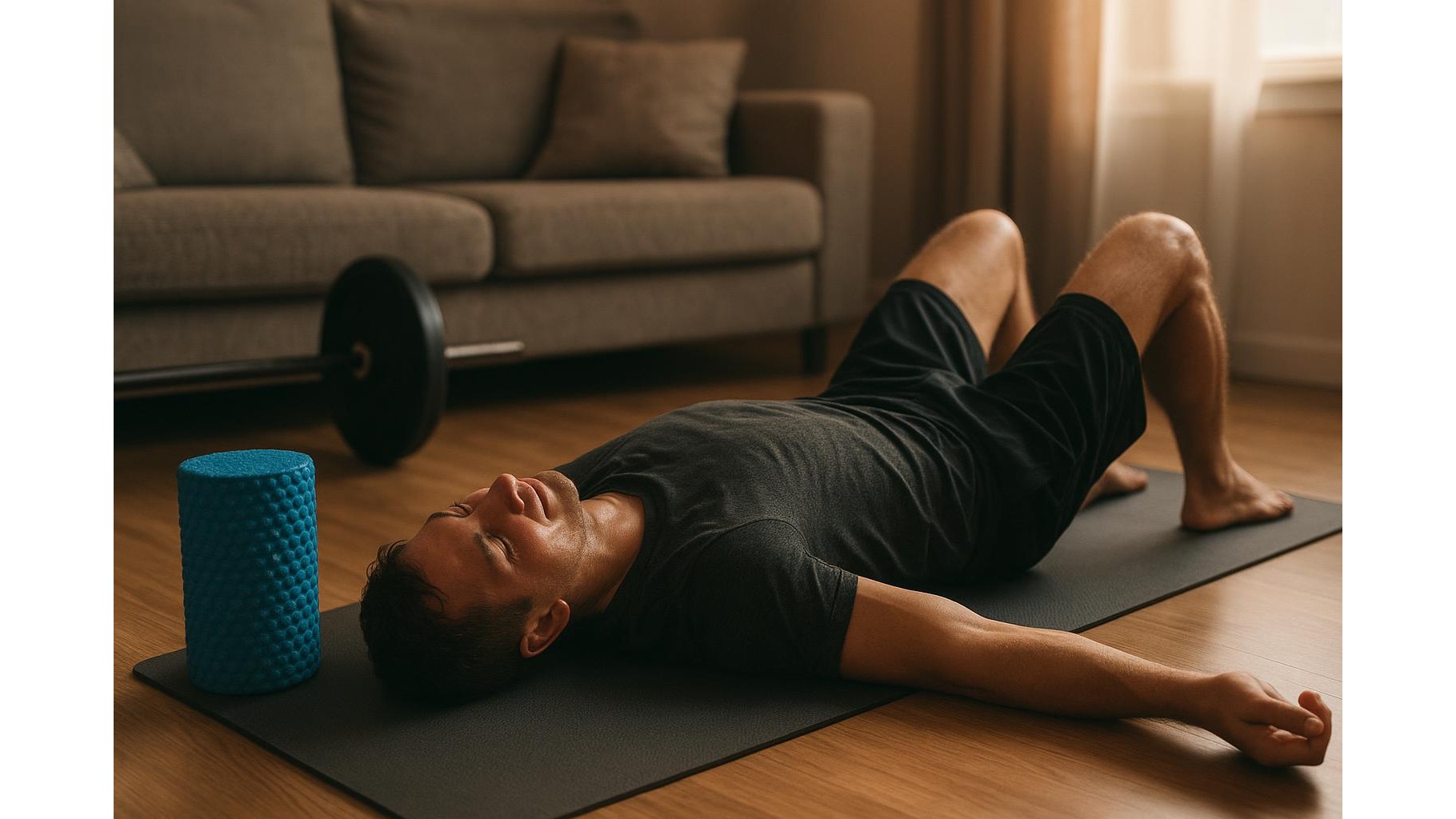
If you love going all-in on your home sessions, you also know the day after can feel like you were hit by a truck. Stiff hips, sore quads, low energy and a foggy brain can turn a normal Monday into an uphill battle. The good news: you don’t need a full “recovery day” to bounce back. With a realistic 24-hour plan that fits around work, family and life, you can reduce soreness, move better and be ready for your next workout without obsessing over recovery hacks.
Morning reset: gentle movement and hydration
The first few hours after waking set the tone for your whole recovery day. Instead of collapsing on the sofa, spend 5–10 minutes on gentle mobility: slow cat–cow, hip circles, ankle rolls and shoulder rotations. Focus on breathing through your nose and relaxing your jaw. This low-intensity work pumps fresh blood through sore muscles and helps flush out waste products without adding more fatigue. Pair this with smart hydration: aim for a big glass of water with a pinch of salt or an electrolyte mix at breakfast. Prioritise whole foods like eggs, oats, yoghurt and fruit to give your body the protein and carbs it needs to repair the muscle damage you earned in yesterday’s brutal session.
Strategic movement breaks during the workday
Most weekend warriors crush a huge session and then sit for hours at a desk or in the car. That combination is a recipe for feeling even tighter. Build tiny “movement snacks” into your day: every 60–90 minutes, stand up for 3–5 minutes of easy walking, calf raises on the spot or gentle air squats without pushing to fatigue. Keep intensity low; the goal is circulation, not another workout. If you have stairs at home, a slow walk up and down once or twice does wonders for stiff legs. These short breaks help reduce delayed onset muscle soreness, keep your joints from locking up and maintain your overall training consistency without stealing time from work or family.
Evening self-care: foam rolling and simple tools
In the evening, when your body finally starts to relax, is the perfect time to add 10–15 minutes of focused self-myofascial release. A basic foam roller or massage ball can dramatically reduce the feeling of stiffness in quads, glutes and upper back. Roll slowly, breathe deeply, and stay gentle—this should feel like firm pressure, not punishment. Combine rolling with a few long-held stretches for your hip flexors, hamstrings and chest. These simple tools support better posture, relieve tension from your home gym sessions and can become a sustainable ritual you actually look forward to instead of another chore.
Nutrition that actually supports recovery
You don’t need exotic supplements to boost muscle recovery, but you do need the basics dialled in. Aim for regular meals with a solid protein source (fish, eggs, dairy, tofu, or lean meat) every 3–4 hours to support muscle protein synthesis. Include colourful vegetables and some fruit to deliver antioxidants that help manage the inflammation triggered by hard training. Carbohydrates like rice, potatoes, oats or wholegrain bread help refill glycogen so you don’t feel drained the next day. Don’t fear fats—olive oil, nuts and seeds support hormone health. If appetite is low because you went very hard, smaller, more frequent meals or smoothies can help you hit your targets without feeling stuffed.
Sleep strategies for faster recovery
No 24-hour recovery plan works without decent sleep. Your muscles rebuild and your nervous system resets while you’re out. Aim for a calming wind-down routine 30–45 minutes before bed: dim lights, no intense screens, and maybe a warm shower to soften tight muscles. Keep your bedroom cool, dark and quiet to support deeper, higher-quality sleep. If possible, keep a consistent sleep and wake time, even after massive weekend workouts. You don’t need perfection, but shaving off scrolling time and giving your body an extra 30 minutes of rest can dramatically reduce soreness, improve mood and make your next home workout feel powerful instead of punishing.
Recovery doesn’t have to mean cancelling your life or buying every gadget you see online. By stacking small, realistic habits—morning mobility, movement snacks, basic nutrition, a bit of self-massage and better sleep—you create a sustainable home recovery routine that fits around work, family and real-world responsibilities. Treat recovery as part of your training, not an optional extra, and you’ll find that your heavy home sessions feel less brutal, your progress is more consistent and your body stays ready for the next challenge.









