
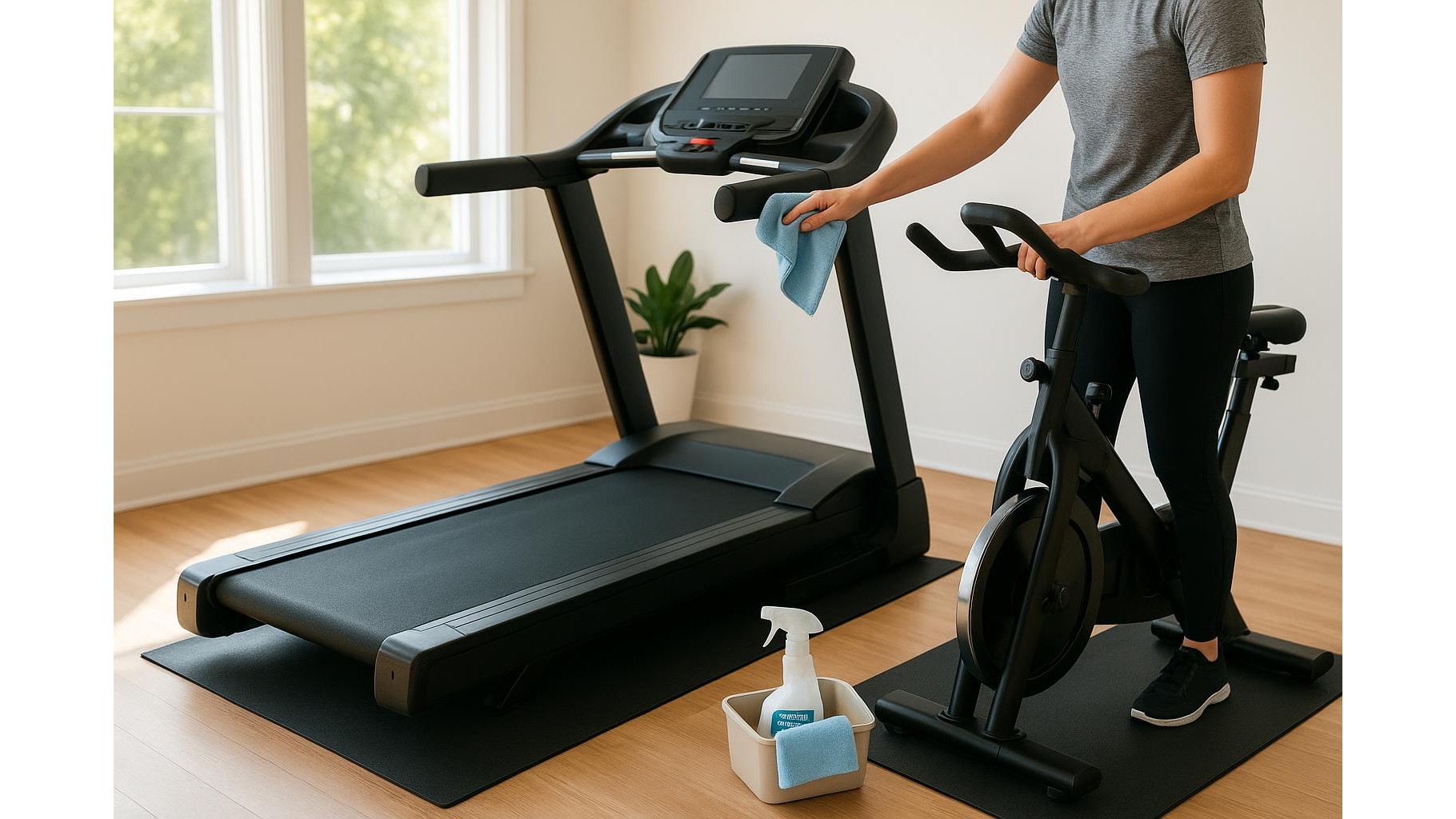
Keeping your home cardio machines in good shape does not have to be complicated, but it does require separating fact from fiction. From treadmills to exercise bikes and ellipticals, the wrong cleaning and maintenance habits can wear parts faster, void warranties, and even create safety risks. This guide walks through what you actually need to do to keep your equipment running smooth and safe, and which popular tips you can skip.
Why regular maintenance matters more than “deep cleaning” days
One of the biggest myths is that you need a monthly “deep clean” with special chemicals to maintain your home cardio equipment. In reality, what matters most is consistent light maintenance: wiping sweat after every workout, checking for loose bolts once a month, and vacuuming dust from around and under the machine. Sweat is salty and corrosive; letting it sit on metal and electronics accelerates rust and can damage consoles. On the other hand, harsh cleaning products can crack plastics and degrade rubber. A simple routine using a mild detergent and soft cloth is enough for most users and is far safer than occasional aggressive cleaning sessions.
The truth about cleaning sprays, wipes and disinfectants
Many people think that powerful household sprays are the best way to clean cardio machines, but this is often wrong and risky. Strong solvents and bleach-based cleaners can damage coatings, dry out rubber grips, and cloud screens. For most home gyms, a basic solution of water and a small amount of neutral soap, applied to a cloth (never sprayed directly on the console), is ideal. Disinfectant wipes designed for fitness equipment can be useful on high-contact areas like handles and touchscreens, but you should always avoid saturating seams or control panels, and dry surfaces afterward. The key is preventing buildup of sweat and skin oils without soaking sensitive components.
Lubrication myths: more is not better for treadmills
Lubricating a treadmill belt is essential, but overdoing it is one of the most persistent maintenance myths. Some owners apply random oils or use far too much lubricant, thinking it will make the belt smoother. In reality, you should only use silicone-based treadmill lubricants approved by manufacturers, and follow the interval suggested in your manual, often every three to six months for home use. Too much lubricant can cause the belt to slip, increase the risk of falls, and attract dust and debris. Exercise bikes and ellipticals may need lubrication on pivots or chains only if specified by the manufacturer; adding oil where it is not required can contaminate resistance systems and void warranties.
What you should actually check regularly for safety
Instead of obsessing over miracle cleaners, focus on simple safety checks. Once a month, inspect your treadmill or exercise bike for loose bolts on handlebars, pedals, and frames, and tighten them as needed. Listen for new noises: squeaks, grinding, or clicking can signal misalignment, worn bearings, or insufficient lubrication. Check power cords for kinks or exposed wire, and ensure the machine is plugged into a proper outlet, ideally with surge protection. Make sure treadmill safety keys and emergency stop functions are working. On bikes and ellipticals, verify that pedals and straps are secure and that the machine does not wobble; a stable base is crucial for safe use.
Myths about where to place your machines at home
Another overlooked aspect of cardio machine care is where you put your gear. A common myth is that any spare corner will do, but placement affects both performance and longevity. Avoid damp areas such as basements without ventilation, where moisture can corrode metal and electronics. Do not place machines directly on thick, soft carpets that trap heat and dust around motors. Using an equipment mat helps stabilize the machine, protect floors, and reduce vibration and noise, which also lowers mechanical stress. Keep some clearance around your machine so air can circulate and you have room to mount and dismount safely. Good positioning is a low-effort way to keep your cardio equipment running better for longer.
Looking after your home cardio machines is less about fancy products and more about smart, consistent habits. Wipe sweat after every session, use gentle cleaners, lubricate only with suitable treadmill lubricants at the right intervals, and perform quick safety checks each month. Place your equipment in a stable, dry, and well-ventilated area, ideally on a dedicated mat. By focusing on what actually matters and ignoring risky myths, you will keep your gear smooth, reliable and safe for years of effective home workouts.









