Designing an effective pre-workout routine without caffeine or creatine is absolutely possible, especially for home athletes who react badly to stimulants or feel bloated on classic formulas. By focusing on smart nutrition, gentle supplementation and simple warm-up habits, you can still boost energy, focus and performance without jitters, crashes or digestive distress.
Table of contents
Fuel with simple carbs and hydration
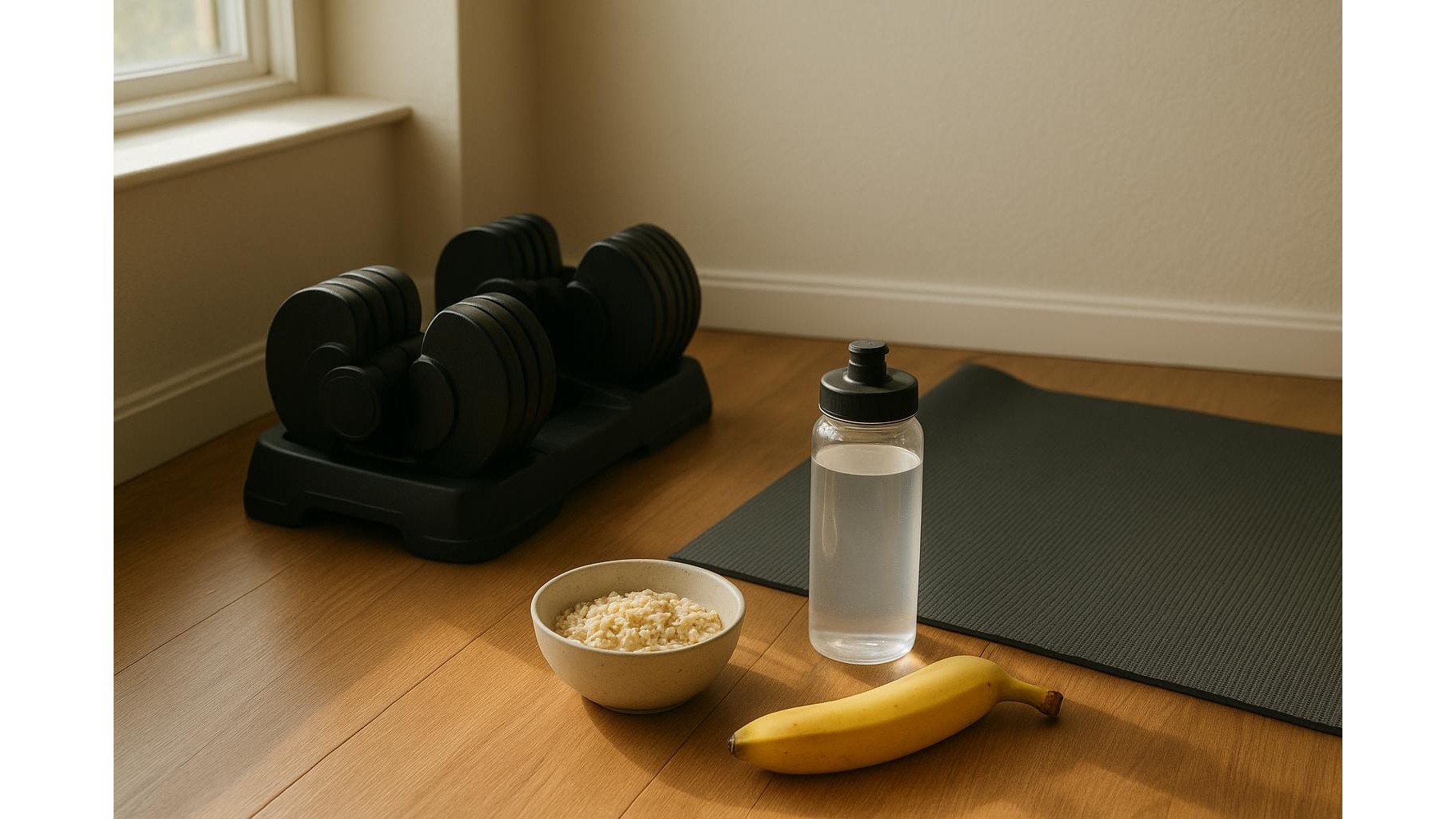
For most sensitive lifters, the best pre-workout for home training starts in the kitchen, not in the supplement cupboard. A small serving of easily digestible carbohydrates 30–60 minutes before training – such as a banana, a slice of toast with honey, or a small bowl of oats – can top up glycogen and provide steady energy without overstimulating your nervous system. Pair this with 300–500 ml of water to arrive at your session well hydrated, since even mild dehydration can reduce power output and increase the feeling of fatigue. If you train early and don’t tolerate food well, try a half-portion of carbs or liquid options like diluted fruit juice. The goal is to avoid heavy, fatty meals that slow digestion and to give your body just enough fuel to perform.
Use gentle amino acids for focus and endurance
Several stimulant-free pre-workout ingredients can help performance without relying on caffeine or creatine. Beta-alanine may reduce muscular acid build-up and delay fatigue during high-rep sets. Citrulline malate can improve blood flow and pumps by increasing nitric oxide, potentially making sets feel smoother and less taxing. Tyrosine supports the production of neurotransmitters involved in focus, useful if you feel mentally flat but wish to avoid stimulants. These compounds are not excitatory like caffeine, so they are usually better tolerated by sensitive users. Always start at the lower end of the recommended dose to test your individual response, and avoid complex blends with hidden “proprietary” amounts, which make it hard to know what you are actually taking.
Prioritise electrolytes and intra-workout support
If you sweat heavily during home sessions or train in a warm room, electrolytes can be a smarter choice than stimulants. Sodium, potassium and magnesium help maintain fluid balance and proper muscle contraction, reducing the risk of cramps and early fatigue. A low-sugar electrolyte drink sipped in the 30 minutes before and during training can keep you performing at your best without any stimulation of the central nervous system. For longer or more intense workouts, consider adding a small amount of easily digestible carbs to your drink to maintain blood glucose. Always check labels to ensure there is no added caffeine or creatine, since some “performance” formulas quietly include them.
Warm-up, breathing and light mobility as natural performance enhancers
Physical and mental preparation can act as a natural pre-workout boost for sensitive athletes. A 5–10 minute dynamic warm-up – such as bodyweight squats, band pull-aparts and light hip hinges – elevates body temperature and lubricates joints so your first working set feels easier. Incorporating 2–3 minutes of controlled breathing, like slow nasal breaths with longer exhalations, can calm pre-workout anxiety while sharpening focus. For home training, a short mobility circuit that targets hips, thoracic spine and shoulders reduces stiffness from desk work, improving movement quality and reducing the perception of effort. These strategies cost nothing, have zero side effects and are especially valuable when you cannot rely on a stimulant “kick”.
Timing, sleep and routine for consistent energy
Even the best stimulant-free pre-workout plan will fail if you ignore the basics of recovery and routine. Training at a time of day when you naturally feel more alert – often mid-morning or late afternoon – can immediately make sessions feel easier than forcing a late-night workout. Consistent sleep of 7–9 hours supports hormone balance, muscular recovery and stable mood, all of which influence your performance more than any powder. Try to keep a regular pre-session ritual: light snack, brief walk, warm-up, then first working set. Over time, your brain learns to associate this sequence with “training mode”, creating a reliable energy rise without any caffeine or creatine. For very sensitive individuals, this structured approach often outperforms any supplement-based strategy.
In summary, building an effective pre-workout strategy without caffeine or creatine as a home athlete means combining smart nutrition, gentle supplements, hydration and solid habits. Simple carbs and electrolytes provide steady physical fuel, while amino acids like beta-alanine and citrulline can support performance without overstimulation. A thoughtful warm-up, breathing practice and consistent schedule help your mind and body switch into training mode naturally. By focusing on these fundamentals, you can train hard, recover well and avoid the unwanted side effects that often come with classic pre-workout formulas.