Turning your phone into a workout coach is one of the easiest ways to build a consistent home workout routine without paying for premium platforms. By combining free timer apps and habit-tracking apps, you can create a simple digital system that reminds you to train, structures your sessions and records your progress. This article walks you through a practical setup that is low-friction, beginner-friendly and flexible enough to grow with your fitness level.
Table of contents
Choosing the right free timer and habit apps
The foundation of your phone-based coaching system is a timer app for workouts and a habit tracker. Look for a timer app that offers intervals, countdown and rest periods, so you can easily run circuits, EMOMs (every minute on the minute) or simple work/rest blocks. For habit tracking, choose an app that supports daily streaks, checklists and reminders. The goal is not to find the fanciest app, but the one you will actually open every day. Most phones already include a basic timer and reminders app; pairing those with a free habit-tracking app from your app store is often more than enough to get started and avoid subscription costs.
Designing your low-friction daily workout habit
Once your apps are installed, start with a tiny, realistic habit. For example: “10 minutes of home workout, three times per week” or “5 minutes of mobility every morning”. Set up a recurring habit reminder in your tracking app at a time you are likely to be available, such as after work or right after breakfast. In the app description, write your exact mini-routine: for example, “5 rounds of 30 seconds squats, 30 seconds push-ups, 30 seconds rest”. The key to building a lasting rhythm is reducing resistance: make the habit small, obvious and easy to start. Over time, you can add more sets, exercises or days, but in the beginning your only job is to show up when your phone pings you.
Structuring sessions with interval timers
With your habit defined, use your interval timer app to turn vague intentions into precise sessions. Create a preset for each type of workout you plan to repeat: a full-body circuit, a core finisher, or a quick cardio block. For example, you might build a 15-minute home session with “40 seconds work, 20 seconds rest” for 10 rounds. Name each preset clearly inside the app, such as “Morning Strength – 10 min” or “Evening Mobility – 8 min”, so that you only need a single tap to start. This structure helps you avoid wasting time deciding what to do and keeps your effort focused, while the phone handles all the counting and pacing.
Tracking progress and staying accountable
Your habit-tracking app now becomes your logbook and accountability partner. After each session, immediately tick off the habit and, if your app allows it, add a quick note like “bodyweight only, felt easy” or “added resistance band”. Over weeks, your streaks and calendar view will show how consistent you are, which is often more motivating than any single workout. You can also track related habits, such as daily steps, bedtime or water intake, to see how lifestyle factors support your training. If motivation dips, reduce the commitment—switch to a 5-minute minimum—but keep the chain unbroken. Your phone’s role is to make tracking effortless so that data and motivation accumulate automatically.
Reducing friction with smart environment tweaks
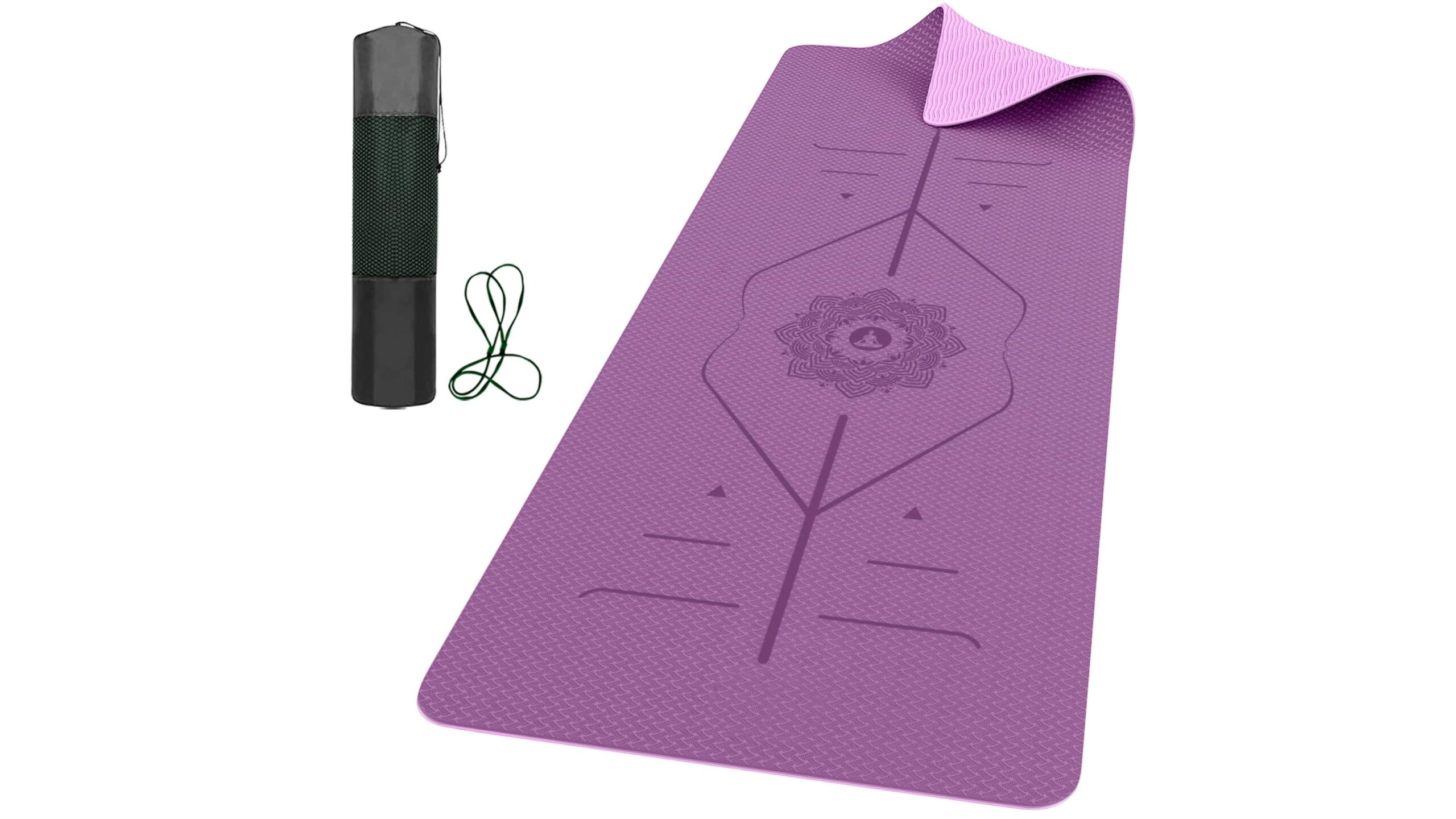
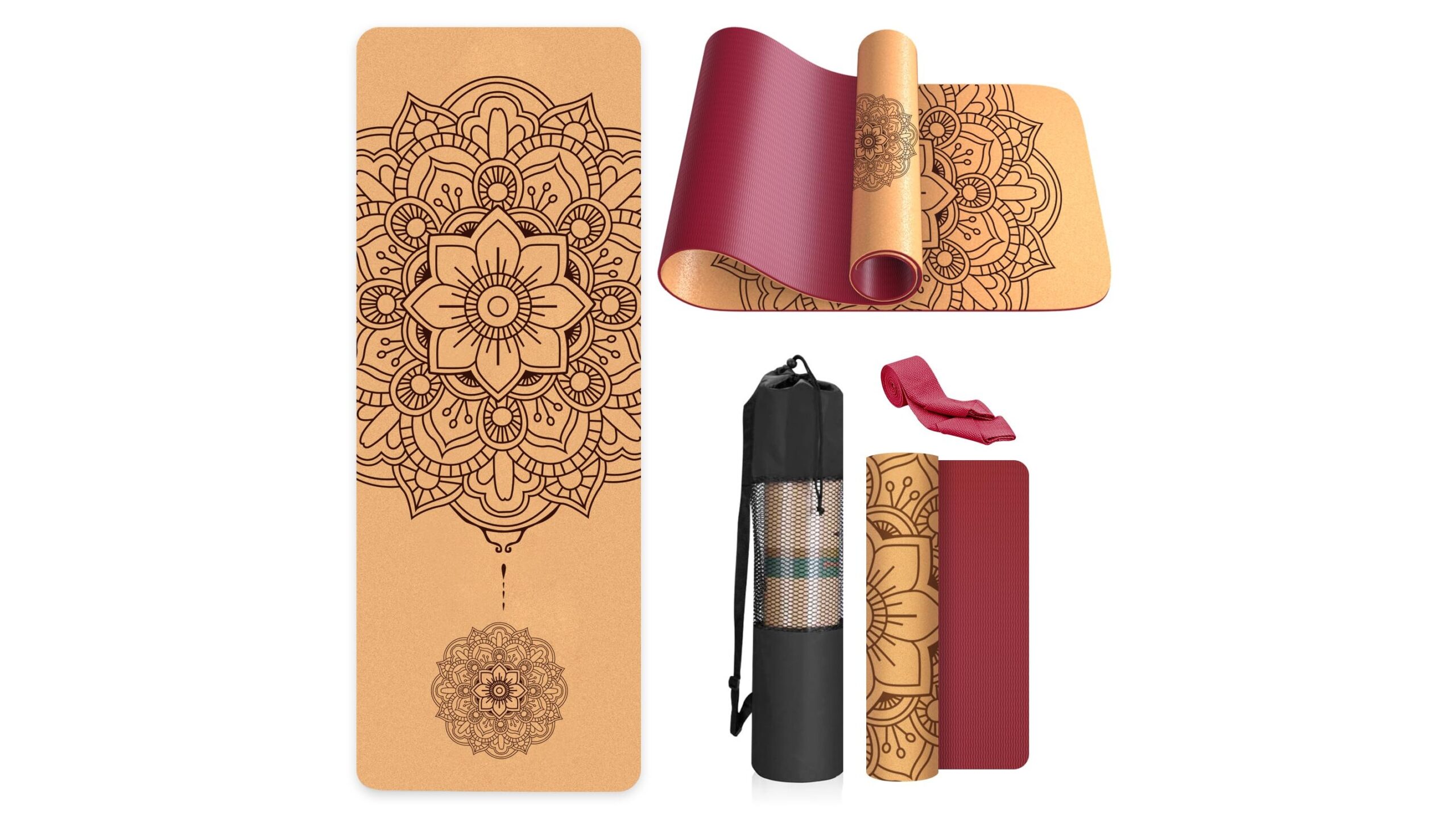
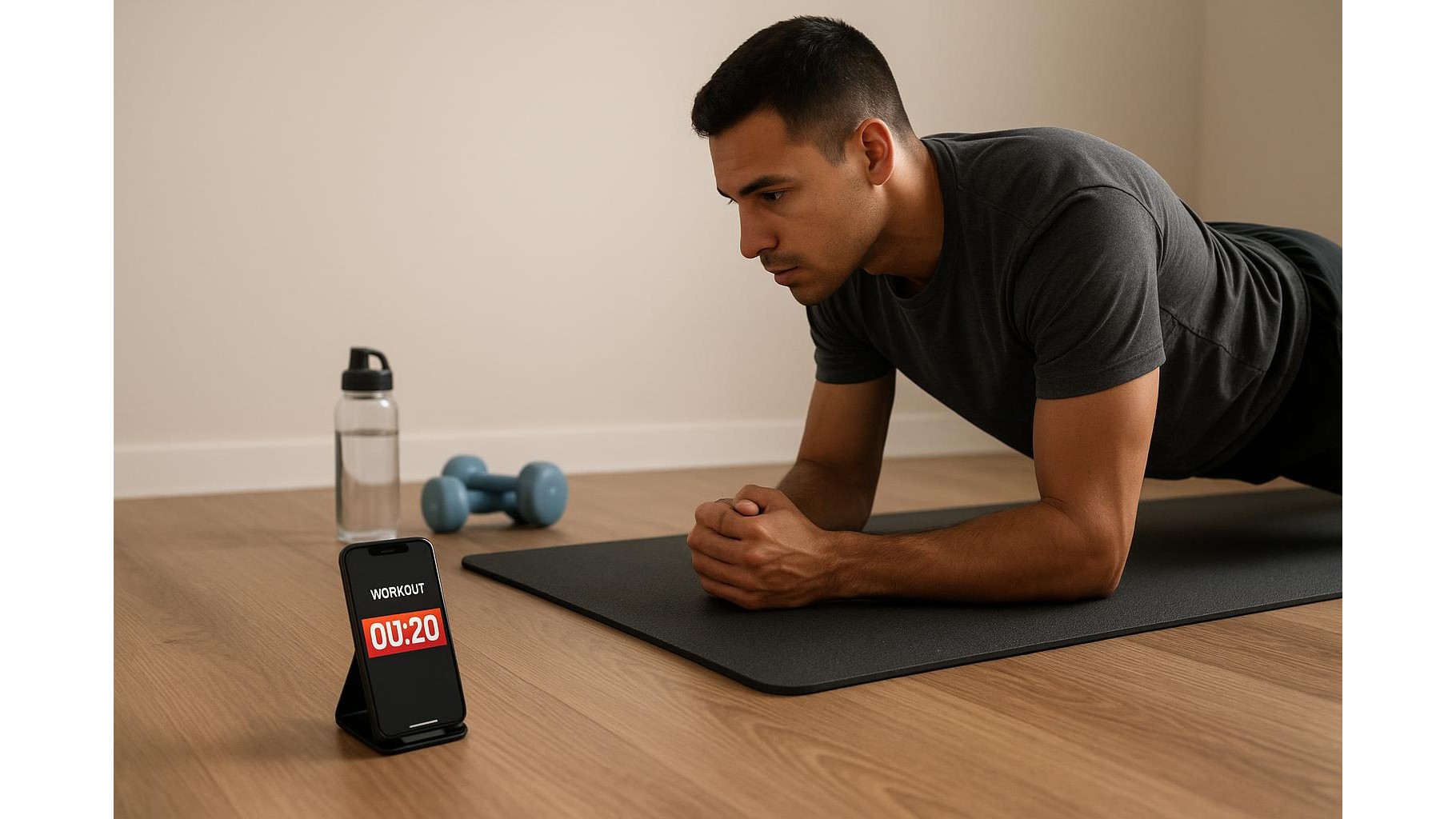
For this system to work long term, make your workouts and phone setup as frictionless as possible. Keep your training space ready: a mat, a water bottle and any small equipment you use. Arrange your home screen so that your timer and habit apps are on the first page, and silence distracting notifications during training. Prepare a simple list of go-to home workouts that match your presets, so you never need to invent a session from scratch. Over time, your environment and your phone interface will nudge you toward training instead of distraction. The combination of clear cues, one-tap timers and quick check-ins is what turns occasional workouts into a sustainable rhythm.
By combining free timer apps with habit-tracking apps, you can transform your phone from a distraction into a personal coach that reminds, structures and records your home workouts. You do not need expensive platforms or complex programs to build consistency—only a simple, repeatable system that fits your life. Start small, design a few interval presets, log every session and gradually increase your commitment. With this low-friction setup, your phone becomes a reliable partner in building the long-term fitness habits that matter most.