Heavy home leg sessions with squats and lunges are great for strength, but if your knees or hips feel tight, clicky or unstable, you are leaving performance on the table and increasing injury risk. A short, focused prehab warm-up prepares your hips, knees and ankles to handle load by improving blood flow, joint mobility and muscle activation. Below you will find a simple 10–15 minute routine you can do in your living room before every leg day, plus one key piece of home gym equipment that makes it even more effective.
Table of contents
Set up your space and gear
Before starting, clear enough floor space for lunges and leg swings, and grab a yoga mat or soft surface for comfort. For targeted myofascial release around the hips and thighs, a quality foam roller is incredibly useful. A popular option on Amazon UK is the TriggerPoint GRID Foam Roller, which combines a firm core with a textured surface to dig into tight quads, IT band and glutes without collapsing under weight. Its compact size fits easily into a home gym corner and it is durable enough for daily use. Keep your roller and a small towel nearby so you can flow smoothly from soft-tissue work into mobility and activation.
Step 1: Soft-tissue prep for quads, IT band and glutes
Start with 3–5 minutes of foam rolling to reduce stiffness around the joints and make the following mobility drills feel easier. Roll the quadriceps one leg at a time, from just above the knee to the front of the hip, pausing on tender spots and taking slow breaths. Then move to the outside of the thigh (IT band area), rolling gently to avoid excessive pain that can cause you to tense up. Finish with the glutes by sitting on the foam roller and crossing one ankle over the opposite knee, leaning into tight areas. Keep pressure moderate, not brutal: the goal is to down‑regulate tension and improve tissue quality, not to “smash” your muscles.
Step 2: Mobilise ankles and hips for deeper squats
Once tissues feel looser, shift focus to joint mobility, especially at the ankles and hips. Limited ankle dorsiflexion often forces your heels to lift in squats, dumping stress into the knees. Try a simple kneeling ankle rock: with one foot flat on the floor, gently drive your knee forward over the toes without letting the heel rise, for 10–15 reps per side. For hip mobility, perform controlled 90/90 hip rotations seated on the floor, rotating both legs from one side to the other while keeping your chest tall. Add 10–12 slow leg swings front-to-back and side-to-side holding onto a wall or chair. These dynamic drills open your range of motion so you can hit depth more comfortably in squats and lunges.
Step 3: Activate glutes and hamstrings with bands
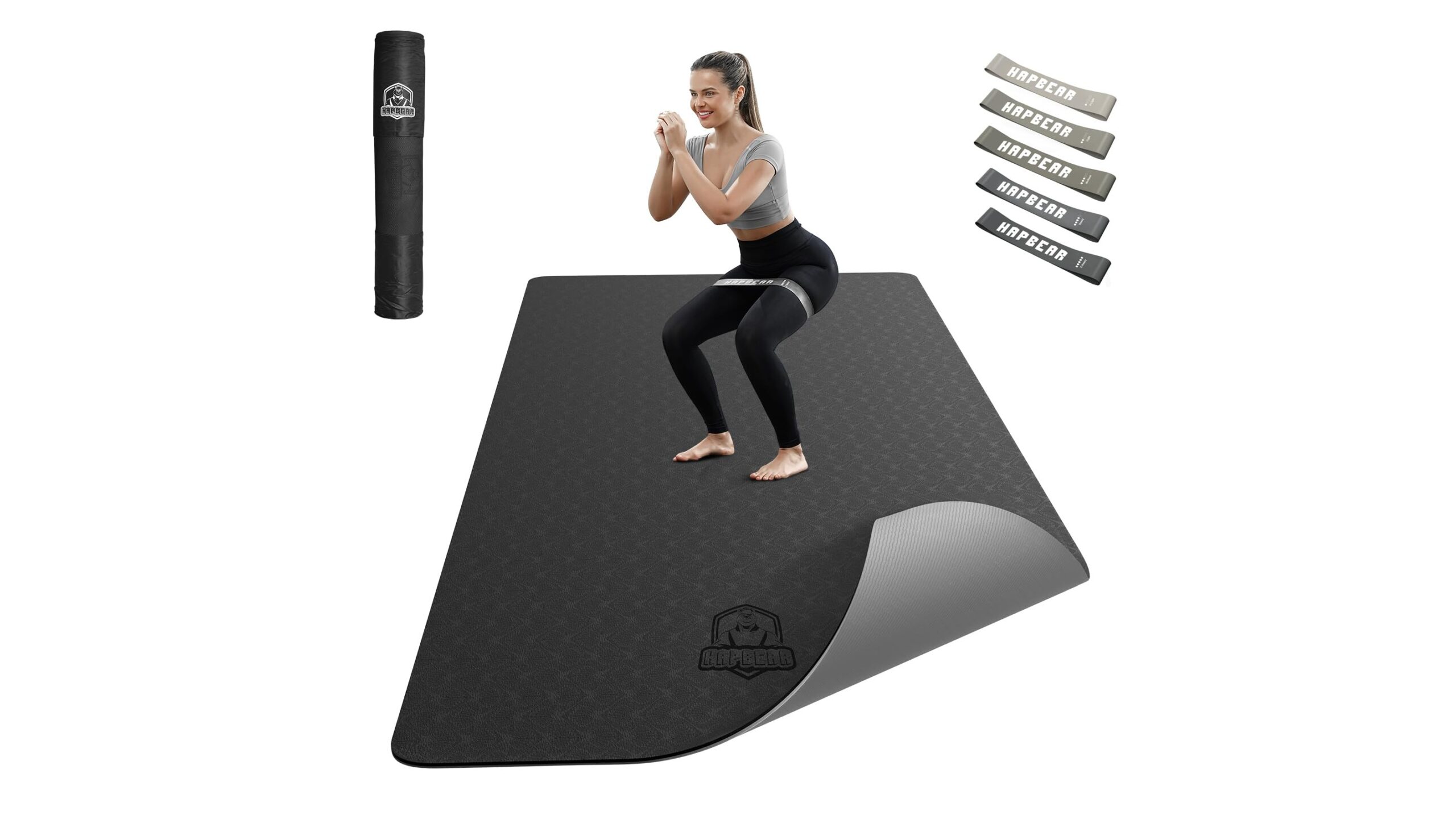
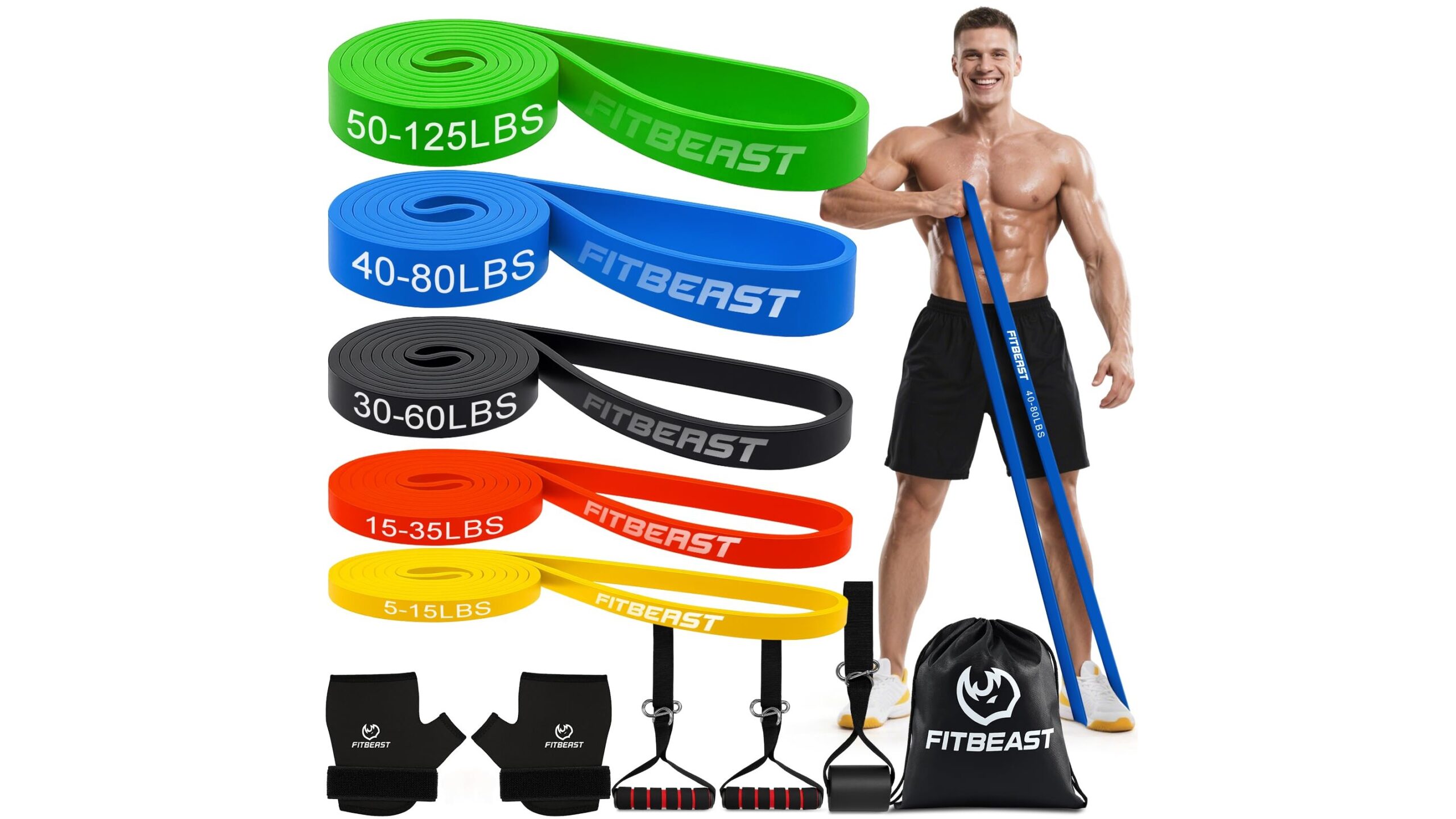
Now you want to “switch on” the muscles that stabilise the hips and knees under load, especially the glutes and hamstrings. A fabric hip circle band is ideal here because it adds lateral resistance without digging into your skin. A widely used example is the FIT BEAST Fabric Resistance Hip Band, which offers multiple resistance levels and a non‑slip inner grip that helps it stay in place during walks, squats and bridges. Place the band just above your knees and perform 15–20 lateral band walks each way, keeping your hips low and feet parallel. Follow this with 12–15 glute bridges driving the knees slightly out against the band. You should feel the sides of your hips burning – a sign your glute medius is actually doing its job.
Step 4: Groove the squat and lunge patterns
With key muscles activated, it is time to rehearse the exact patterns you will use during your home leg workout. Perform 2–3 sets of 10–12 bodyweight squats, pausing briefly at the bottom to feel equal weight through your mid‑foot and heel, knees tracking in line with the toes, and chest tall. Next, add 8–10 reverse lunges per leg, focusing on a soft knee and a strong push through the front heel to stand. Keep these reps smooth and controlled rather than explosive. If you train with dumbbells or a barbell, your last warm‑up set can be a very light loaded set of squats or lunges to bridge the gap between warm‑up and working weights.
By stacking soft‑tissue work, mobility, activation and patterning into one short routine, you create a powerful prehab warm-up that protects your knees and hips while boosting performance on heavy leg days. A good foam roller like the TriggerPoint GRID Foam Roller and a reliable hip band such as the FIT BEAST Fabric Resistance Hip Band turn your living room into an effective prep space for squats and lunges. Run this 10–15 minute routine consistently before each session and you will likely notice smoother movement, better depth and fewer nagging aches over time.