Building a full body workout at home does not require a full rack of machines. With just a pair of dumbbells and a skipping rope, you can create an efficient 30-minute ladder workout that challenges strength and cardio, fits in a small space, and can be scaled from beginner to intermediate. This guide walks you through a structured ladder format, alternating dumbbell movements with short, sharp rope intervals to keep your heart rate up while you build muscle.
Table of contents
Why a ladder workout works so well at home
A ladder workout increases or decreases reps over time, letting you warm up gradually and finish with a strong conditioning block without needing many exercises. For a home gym, this is ideal: you reuse the same dumbbells and skipping rope while adjusting the difficulty via reps and rest. Beginners can stay on the lower rungs of the ladder (for example 4–6 reps per move), while intermediates push towards higher rungs (8–12 reps) and shorten rest. Because you alternate strength exercises with cardio intervals, you get muscular endurance, coordination and calorie burn in a single compact routine that can be done in a living room or small training corner.
Equipment you need: dumbbells and skipping rope
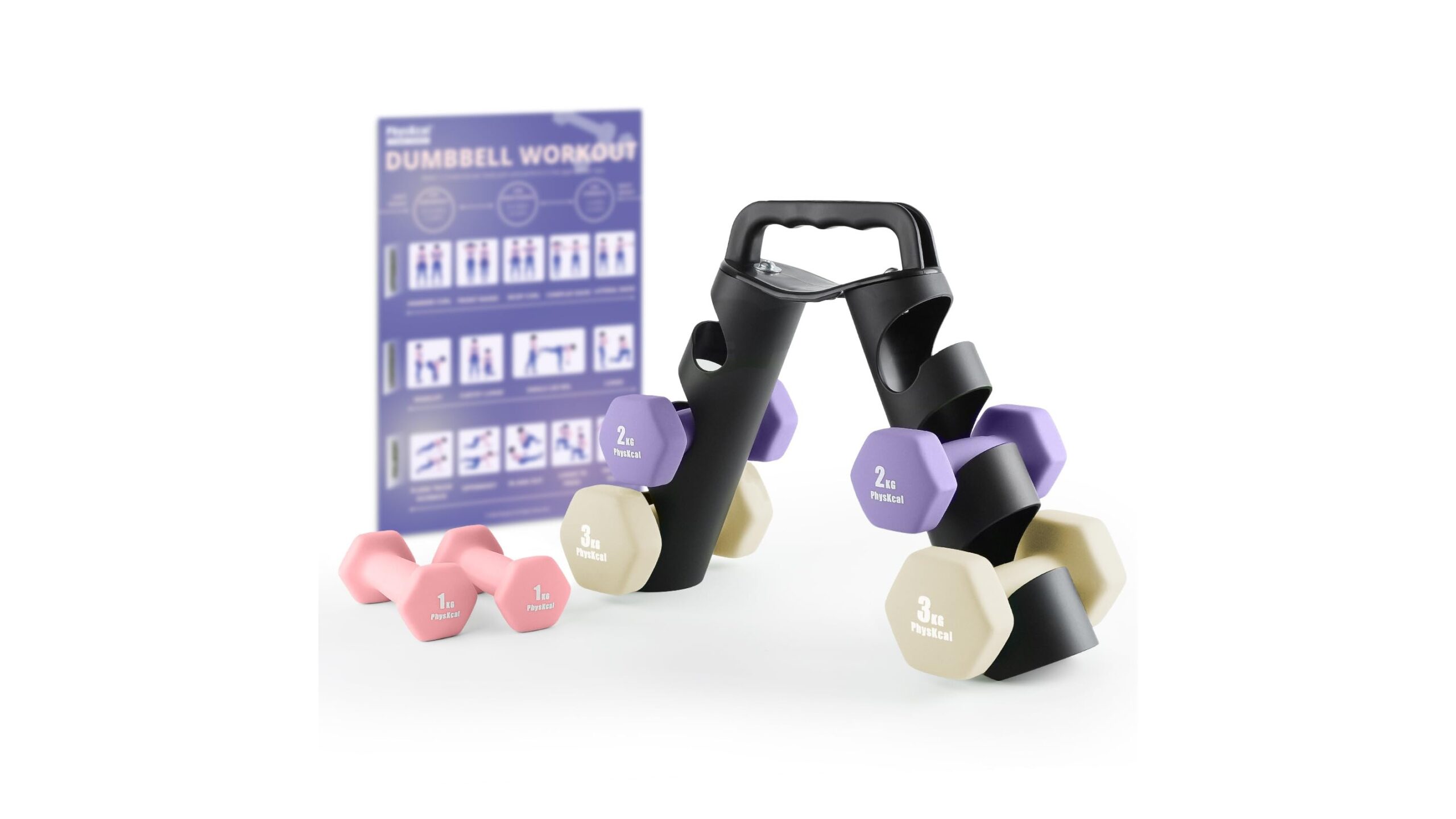
The only essentials for this session are a reliable pair of adjustable dumbbells and a smooth-turning jump rope. Adjustable dumbbells allow you to scale the weight for compound moves like squats and rows without cluttering your space with multiple pairs. A quality skipping rope with a comfortable grip and adjustable length helps you maintain rhythm and reduces tripping, which is especially important in tight indoor spaces. When choosing your gear, prioritise handles that are easy to hold with slightly sweaty hands and a rope that is long enough to clear your head by a few centimetres when the rope passes under your feet. This combination keeps the focus on your form and intensity, not on fighting with your equipment.
How to structure your 30-minute full body ladder
Set a timer for 30 minutes and split the session into strength rungs and skipping segments. After a 3–4 minute warm-up of light marching, arm circles and bodyweight squats, move into the ladder. Each “rung” pairs one dumbbell exercise with a rope interval. For example:
- Rung 1: 4 dumbbell goblet squats + 20 seconds skipping
- Rung 2: 6 dumbbell rows (per side) + 20 seconds skipping
- Rung 3: 8 dumbbell presses + 20 seconds skipping
- Rung 4: 10 dumbbell Romanian deadlifts + 20 seconds skipping
- Rung 5: 12 dumbbell thrusters + 30 seconds skipping
Cycle up the ladder, rest 60–90 seconds, then repeat from the top if time allows. Beginners can cut the reps by a third and extend rest; intermediates can compress rest and emphasise continuous movement.
Technique tips for safe and effective strength moves
Good technique is crucial in a home workout with dumbbells, especially when fatigue sets in during a ladder. For goblet squats, keep the dumbbell close to your chest, push your hips back, and track knees in line with your toes. In rows, hinge at the hips with a flat back, engage your core and pull the weight towards your hip rather than shrugging the shoulder. For overhead presses and thrusters, squeeze your glutes and brace to avoid arching your lower back. Choose a weight that feels like a 7 out of 10 effort on the higher rungs: challenging but still allowing clean, controlled reps. If form breaks, drop back to a lighter load or reduce the reps while maintaining the ladder structure.
Getting the most from your skipping intervals
The skipping rope is your built-in cardio machine. Focus on small, quick jumps rather than high bounds, keeping your elbows close to your ribs and wrists relaxed as they turn the rope. Beginners can start with single-unders at a comfortable pace, or even mimic the motion without the rope to groove the pattern. Intermediates can mix in high-knee skips or short bursts of faster rotations to spike the heart rate. If your ceiling is low, step a little forward or back between sets to avoid hitting overhead fixtures, and keep your landing quiet to reduce impact on joints and floors. Treat each rope block as a chance to maintain steady breathing and rhythm so you can hit the next strength rung with solid energy.
Progressions, recovery and who this workout is for
This full body ladder workout at home suits anyone who wants a structured, time-efficient routine without a full gym setup. To progress, you can increase dumbbell weight, add one or two extra rungs, or extend skipping intervals by 10 seconds while keeping total session time at around 30 minutes. Schedule it two to three times per week, leaving at least one day between sessions for recovery. Combine it with light walking or mobility work on off days to support joint health. With consistency, you will notice improvements in strength, coordination and cardiovascular fitness, all achieved with a simple pair of dumbbells and a skipping rope in your own home.
This 30-minute strength and cardio mix proves that a minimalist home gym can deliver serious results. By following the ladder structure, focusing on form in your dumbbell exercises and using the skipping rope to drive heart rate and conditioning, you get a balanced full body session that fits busy schedules and small spaces. Adjust the reps, rest and intensity to match your level, stick with it for a few weeks, and you will build a strong, efficient routine you can rely on whenever you train at home.