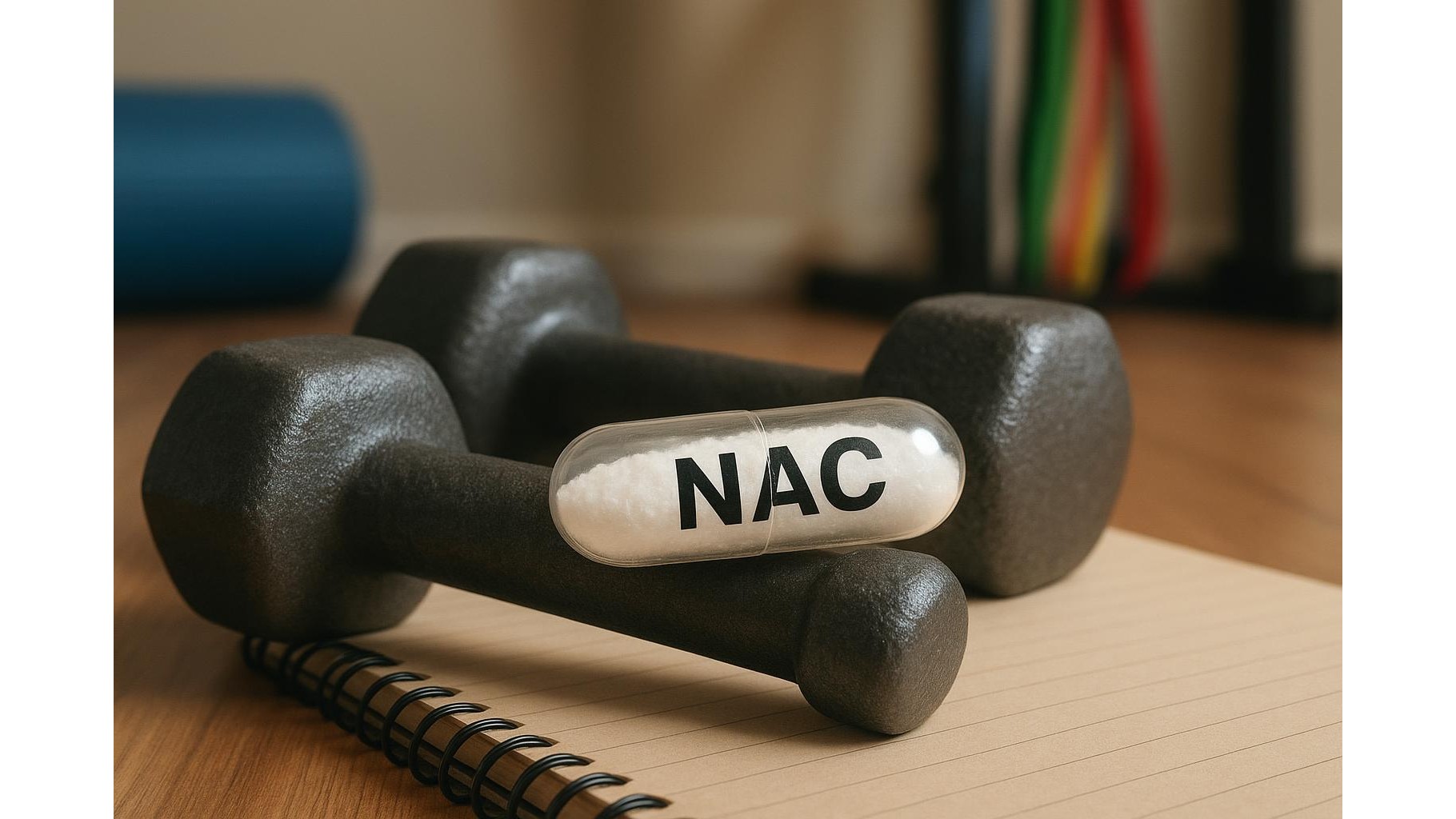
When you train hard in your home gym, recovery becomes just as important as the workout. Among the many supplements promoted for reducing fatigue and boosting immunity, N-acetylcysteine (NAC) often appears in discussions about smarter recovery. NAC is not a classic sports supplement like protein or creatine, but an antioxidant and glutathione precursor with potential benefits for health and exercise stress. This article looks at what NAC really does, how it might fit into a home training routine, and what you should know about doses and safety.
Table of contents
What is NAC and how does it work?
N-acetylcysteine is a modified form of the amino acid cysteine. In clinical settings it is used to treat paracetamol overdose and certain lung conditions, but in supplement form it is valued mainly as a powerful antioxidant support. NAC acts as a precursor to glutathione, one of the body’s main internal antioxidants, helping neutralise excess free radicals generated by intense training and everyday stress. For home fitness enthusiasts, this means NAC may help support cellular defence systems when you increase training load, diet aggressively, or train in a polluted urban environment. Unlike stimulants, NAC does not give an immediate energy rush; instead, it works in the background on redox balance and overall resilience.
NAC, exercise recovery and performance
Research on NAC and exercise suggests potential benefits, but the picture is nuanced. Some studies report that NAC can reduce markers of oxidative stress and delay fatigue in prolonged or high‑intensity efforts, possibly by preserving muscle function and improving blood flow. For home training, this could translate into slightly better tolerance for repeated intervals, longer circuits or demanding resistance workouts. However, because NAC supports antioxidant defences, there is a theoretical risk that very high doses taken chronically around every session might blunt some of the natural training adaptations driven by mild oxidative stress. For most people using moderate doses, NAC is better seen as a health‑supportive supplement that may modestly aid recovery, rather than a direct performance booster or shortcut for poor programming and sleep.
[pure_placeholder type=”cta” id=”telegram”/]
Immune support and who might benefit most
Regular training from home can still challenge your immune system, especially if you juggle workouts with work stress, calorie deficits and lack of sleep. NAC has been studied for its potential to support respiratory health and help maintain glutathione levels in the lungs and other tissues. This makes it particularly interesting for home trainees who often train in poorly ventilated garages or small rooms, or those prone to frequent colds during heavy training blocks. People exposed to air pollution, smokers or former smokers, and older adults may also be more likely to benefit from NAC’s antioxidant and mucolytic properties. It is not a cure for infections and does not replace fundamental habits such as good sleep, nutrition, hydration and progressive programming, but it can be part of a broader strategy to stay consistent with training.
Practical dosing and timing for home training
For healthy adults, typical supplemental NAC doses range from about 600 mg to 1,200 mg per day, often split into one or two servings. For general antioxidant and immune support around home training, many practitioners suggest taking NAC away from workouts rather than immediately pre‑ or post‑exercise, for example in the morning and/or before bed. Taking it with a light snack can improve tolerance, as NAC can occasionally cause mild gastrointestinal discomfort on an empty stomach. Shorter blocks of use (for example, 4–8 weeks during very demanding phases of training or high‑stress periods) may be a reasonable approach rather than year‑round high‑dose use. Always read the label of any NAC supplement you choose and follow the manufacturer’s directions, adjusting only in consultation with a qualified health professional.
Safety, side effects and interactions
Although NAC has a long history of medical use, it is still a pharmacologically active compound and should be treated with respect. At typical supplement doses, most healthy people tolerate NAC well, but possible side effects include nausea, stomach upset, diarrhoea, headache or a sulphur‑like smell in breath. People with asthma, stomach ulcers, kidney or liver disease, or those taking medications such as anticoagulants, antihypertensives or nitrates should speak to their doctor before starting NAC, as there may be interactions or specific precautions. NAC can also influence laboratory tests and is not recommended during pregnancy or breastfeeding without medical supervision. Importantly, NAC is not a replacement for prescribed treatments: home trainees with chronic conditions should never stop or change medication solely because they started a supplement.
How to decide if NAC fits your home gym routine
Before adding NAC, it is worth checking that the basics of your recovery strategy are solid: adequate protein intake, sufficient calories, structured deloads, quality sleep and sensible training volume. If those elements are already in place and you still struggle with high perceived fatigue, frequent minor illnesses, or train in an environment with poor air quality, NAC may be worth considering as a targeted addition. Think of it as a tool for supporting overall resilience and immune function rather than a magic recovery pill. Tracking simple markers such as sleep quality, session performance and how often you get sick can help you evaluate whether NAC offers any noticeable benefit over several weeks.
In summary, N-acetylcysteine (NAC) is an evidence‑informed supplement that supports glutathione production and antioxidant defences, with potential benefits for recovery and immunity in home training contexts. It may help some individuals better tolerate training stress and day‑to‑day life demands, especially when used in moderate doses and for defined periods. However, NAC cannot compensate for poor lifestyle habits or unstructured programming, and it carries possible side effects and interactions that require caution. If you are considering NAC for your home gym routine, base the decision on your individual health status, discuss it with a healthcare professional, and prioritise foundational habits first.