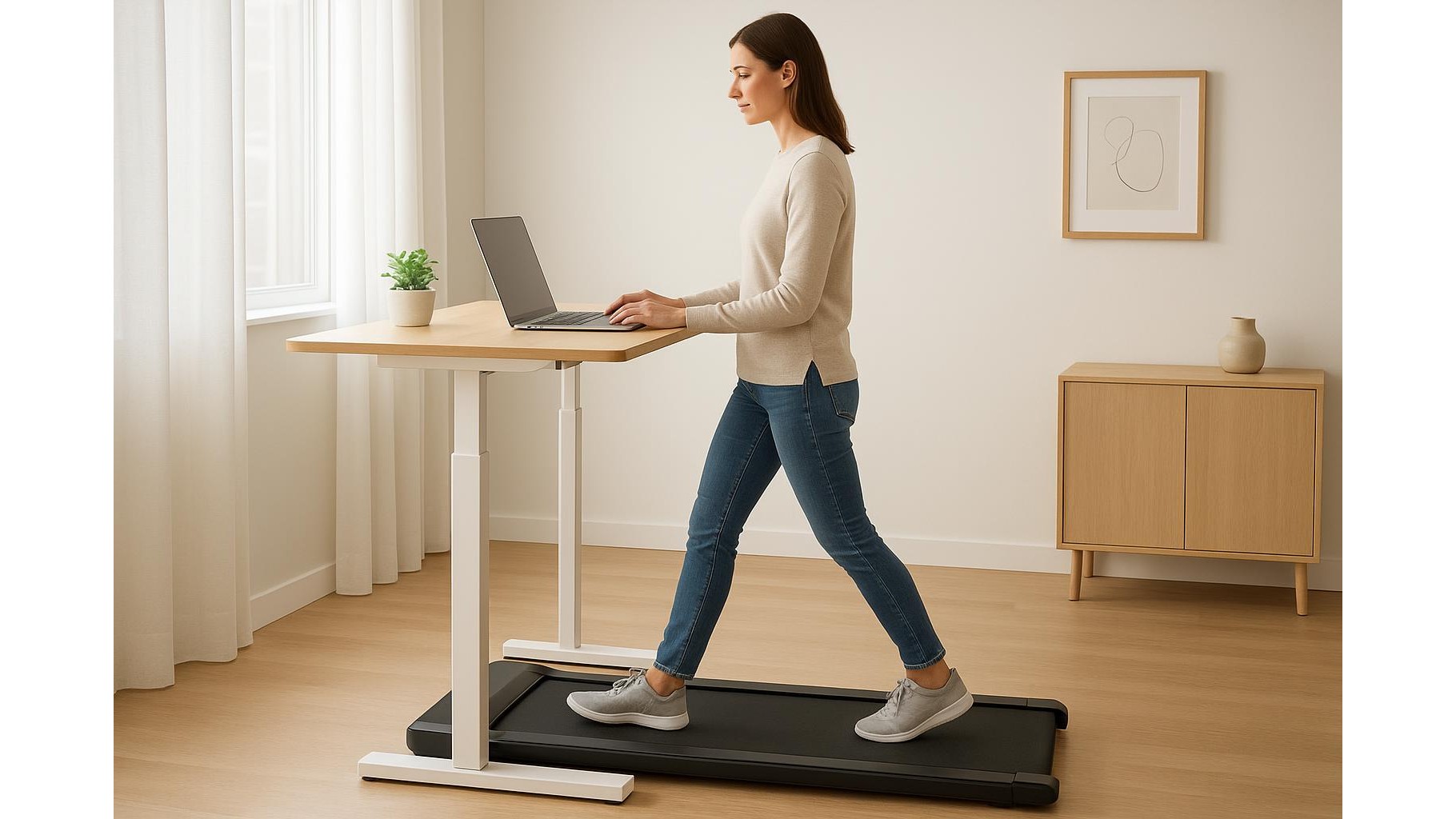
Foldable under-desk treadmills with incline promise the best of both worlds: more steps while you work and the option for real cardio training in a small home office. But many compact models are closer to motorised walking pads than serious running machines. Understanding key specs like motor power, belt length, incline range and noise levels will help you choose a treadmill you can genuinely train on, not just stroll.
Table of contents
Key specs that matter for real training
For structured workouts, focus on four things: motor power, speed range, belt dimensions and incline. Continuous-duty horsepower (CHP) around 2.0 or more is ideal for frequent running, but many under-desk units list peak HP instead; if you only see peak, assume real sustained power is lower. A top speed of 10–12 km/h is the minimum for light jogging, while walkers can manage with 6–8 km/h. Belt size is crucial: aim for at least 120 cm in length and 40 cm in width for comfortable strides. Finally, check whether incline is automatic (better for intervals) or manual (you must step off to adjust). These factors matter more than fancy app features or LED strips.
Foldable design, stability and safety
True foldable under-desk treadmills must balance portability with stability. Look for a frame that locks securely when unfolded and doesn’t flex when you land mid-foot. A heavier unit often means better stability and a more solid feel, even if it is slightly less portable. Under-desk designs typically have a low console or removable handlebar; if you plan to run, a fold-up handrail with solid grips is safer than a completely flat pad. Check the stated user weight limit and choose a margin above your current weight for durability. Extra safety features like an emergency stop key and side rails you can step onto during work calls make day-to-day use more practical.
Motor power, noise and home office compatibility
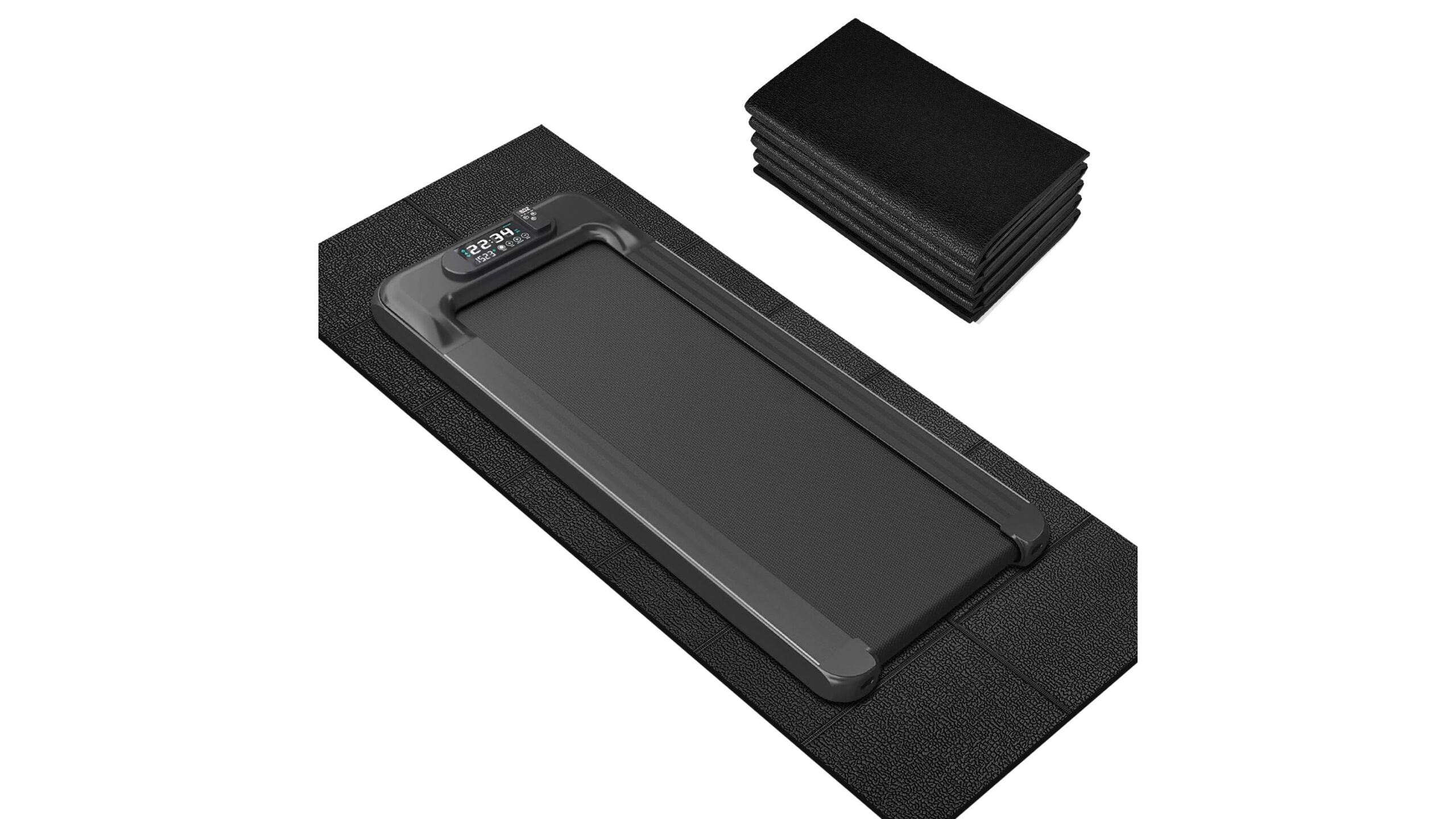
Because these treadmills live in shared spaces, noise level is a priority. Brushless or efficient DC motors generally run quieter, but brand claims can be optimistic; look for references to decibel ratings if provided, and user feedback about whine or vibration on hard floors. A stronger motor running at lower effort is usually quieter than an underpowered motor straining at high speeds or incline. Belt cushioning also affects sound: more cushioning reduces impact noise and joint stress. If you work in an apartment, combine a thicker mat under the treadmill with lower speeds during calls and save higher-speed or high-incline intervals for off-hours to keep neighbours happy.
Combining workday steps with structured cardio
The main advantage of a desk treadmill with incline is the ability to integrate low-intensity movement into your day, then switch to focused workouts. For productivity, most people find 1.5–3 km/h comfortable for typing or video meetings. Use this “all-day walking” to accumulate 6,000–8,000 steps without thinking. For training, plan 2–4 weekly cardio sessions of 20–40 minutes at higher speeds or steeper incline. Incline walking at 5–8 km/h and 5–10% incline can deliver a challenging workout even if the top speed is modest. Alternate easy walking days with more structured intervals (for example, 2 minutes incline, 2 minutes flat) to build fitness while avoiding overuse injuries.
How to interpret specs and avoid marketing traps
Marketing for compact treadmills often highlights unrealistic peak horsepower, inflated maximum user weight and impressive-sounding incline gradients. Treat any “4.0 HP” motor in a very small, cheap unit with suspicion; it is likely a brief surge rating, not sustainable output. Likewise, if a short, narrow belt claims to support tall runners at high speeds, assume it is mainly for walking. Verify whether incline is true elevation of the deck or just a slight tilt achieved with fold-out feet. Prioritise honest, clearly explained specs and real-world user feedback over app connectivity and entertainment features. A slightly plainer model with a stronger motor, longer belt and steady incline is far better for real training than a flashy walking pad with lights and weak internals.
Choosing the right foldable under-desk treadmill with incline means looking past the buzzwords and focusing on how you actually plan to move: easy walking during work, structured incline sessions, or a mix of both. Check motor power, belt size, incline mechanism, weight capacity and noise before you commit. When these fundamentals are right, you end up with a compact machine that fits under your desk, folds away when needed and still allows you to build genuine cardio fitness at home.