Building a strong upper body at home does not require a full commercial gym. With a smart mix of dumbbells, resistance bands and bodyweight exercises, you can create a time‑efficient push pull strength workout that hits chest, back, shoulders and arms in just 45 minutes. This hybrid approach lets you scale the load, protect your joints and keep training interesting whether you are a beginner or an intermediate home lifter.
Table of contents
Essential kit for a hybrid push pull session
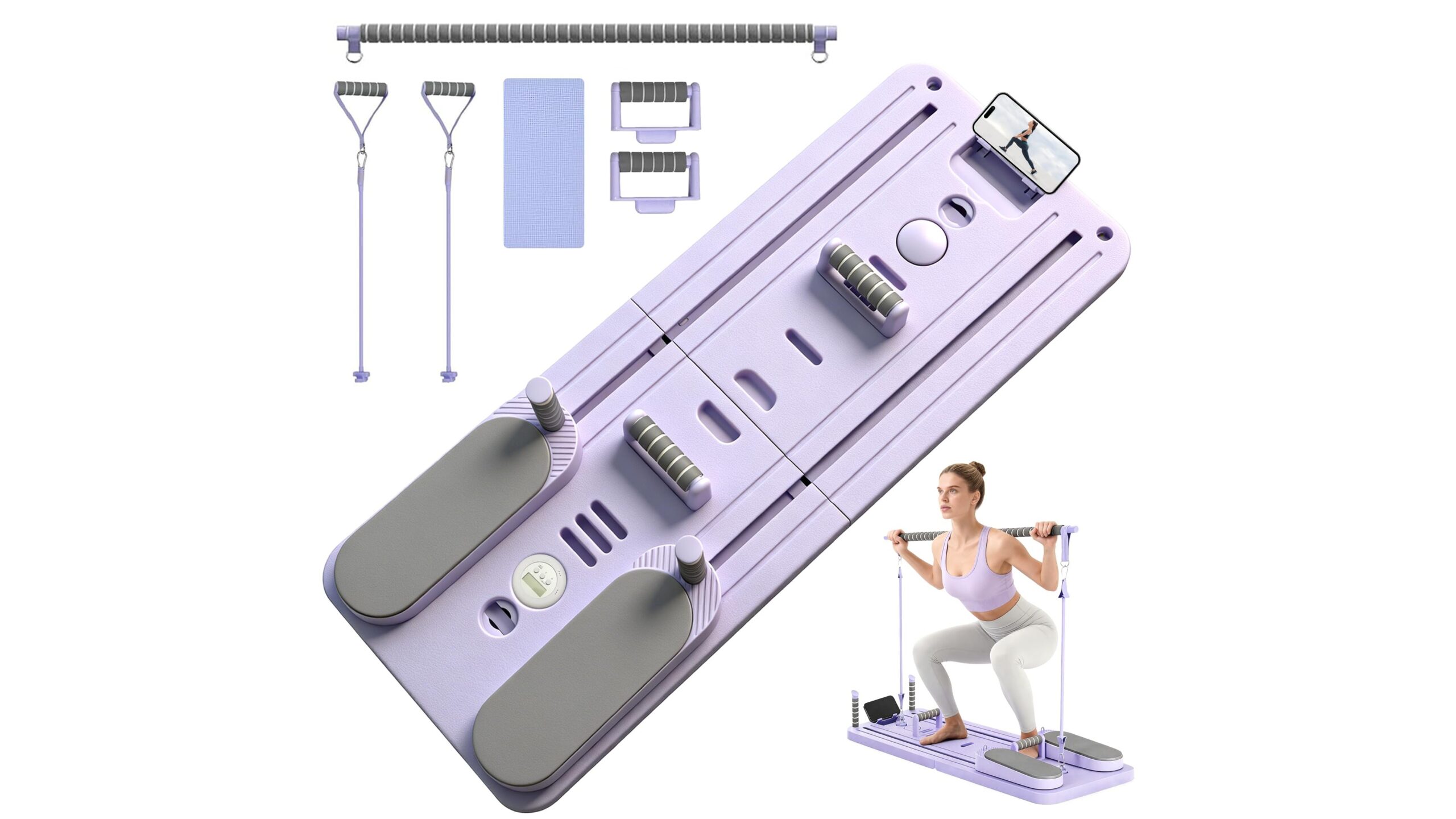
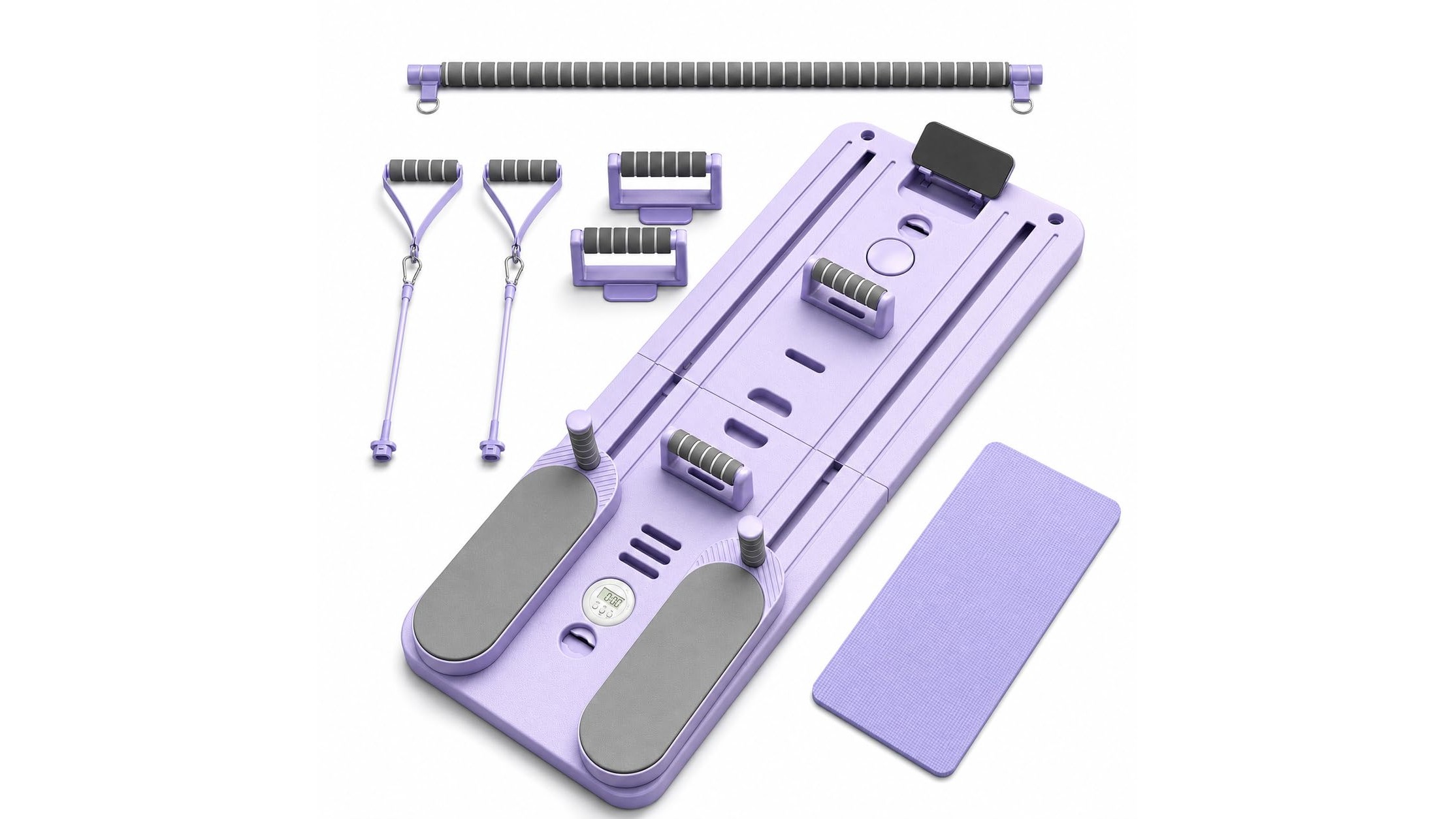
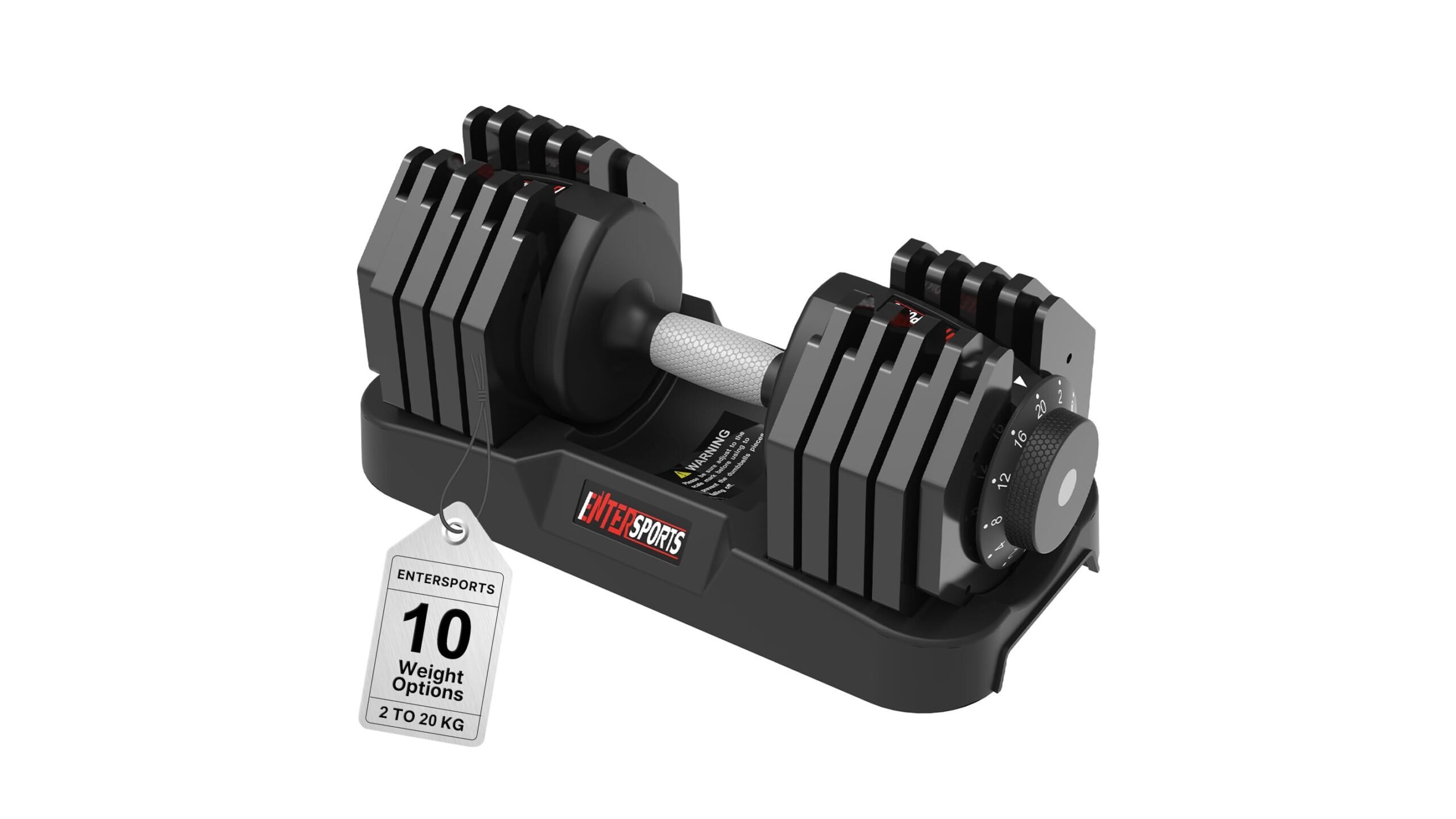
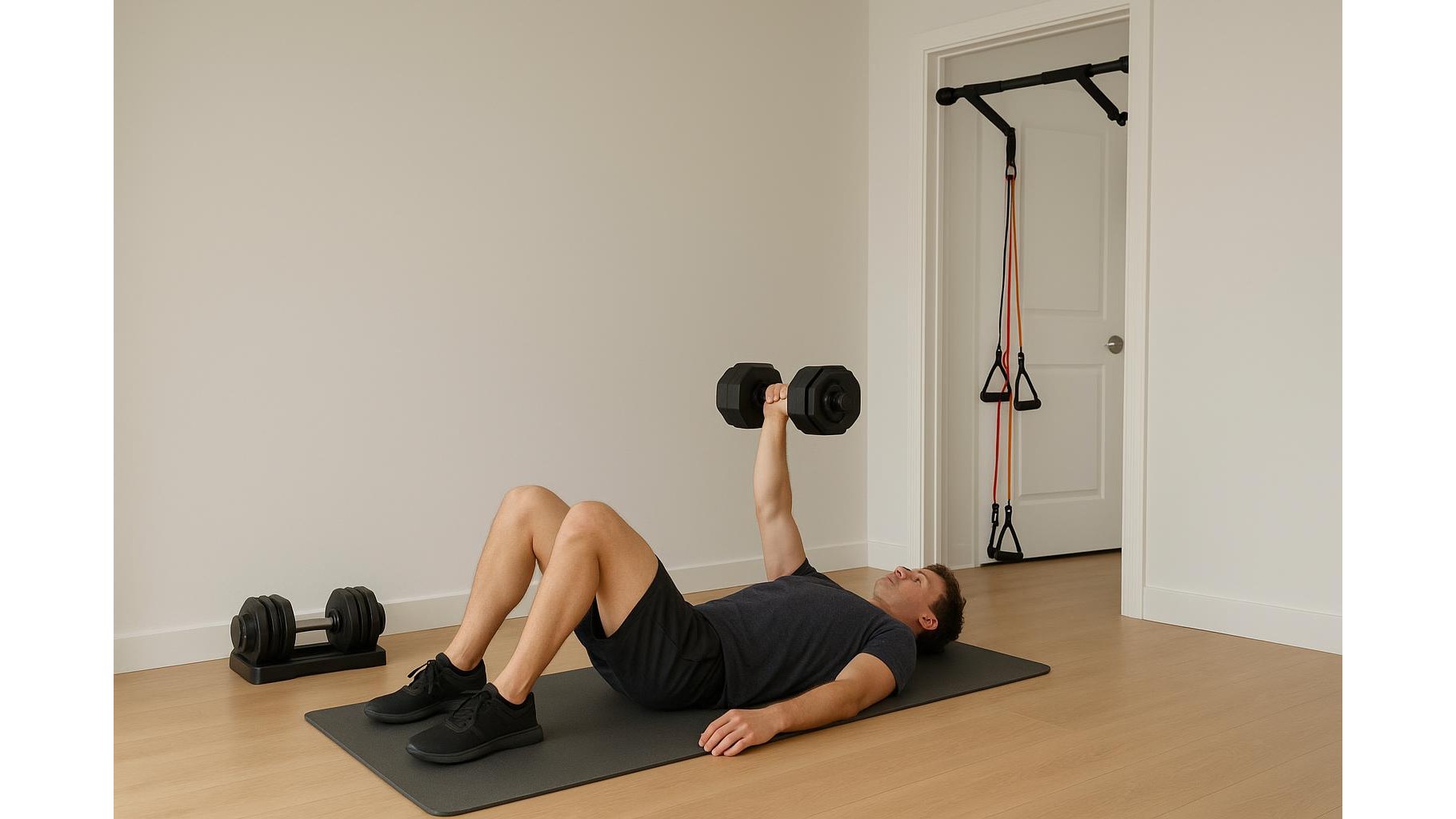
For this routine you need three core tools: a pair of adjustable dumbbells, a resistance band set with handles and a solid doorway pull‑up bar. Adjustable dumbbells allow you to change load quickly so you can move from lighter warm‑up sets to heavier working sets without cluttering your home gym. A full band kit with different tension levels and a door anchor adds curved resistance that is easier on the joints and great for high‑rep finishers. A doorway pull‑up bar turns any frame into a compact back‑training station, enabling pull‑ups, chin‑ups and hanging knee raises with minimal space. Combine these with bodyweight moves like push‑ups and you have a complete upper‑body training station at home.
Structure of the 45‑minute push pull workout
This hybrid push pull workout is organised into three blocks: warm‑up (5–8 minutes), main strength work (30 minutes) and finisher plus cooldown (7–10 minutes). In the main block you will alternate push exercises (chest, shoulders, triceps) with pull exercises (back, biceps) to keep intensity high while giving each muscle group short recovery windows. A simple structure for beginners is 3 sets of 10–12 reps per exercise with 60–90 seconds of rest. Intermediates can push to 3–4 sets of 8–10 reps with slightly heavier dumbbells and shorter rest. Aim to train this routine two or three times per week, leaving at least one rest day between sessions to allow for muscle recovery and steady strength gains.
Push exercises: chest, shoulders and triceps
After a dynamic warm‑up, start your push work with dumbbell floor presses or dumbbell bench presses to target the chest and triceps. Follow with standing dumbbell shoulder presses to work the deltoids, keeping your core tight and avoiding excessive arching. Next, add resistance band chest presses anchored at chest height to introduce a different strength curve and keep tension on the muscles through the full range of motion. Finish the push section with close‑grip push‑ups or band‑assisted push‑ups if you are a beginner. Focus on controlled negatives, maintaining shoulder stability and clean technique rather than chasing speed. This combination overloads the pushing muscles through multiple angles while remaining joint‑friendly.
Pull exercises: back and biceps at home
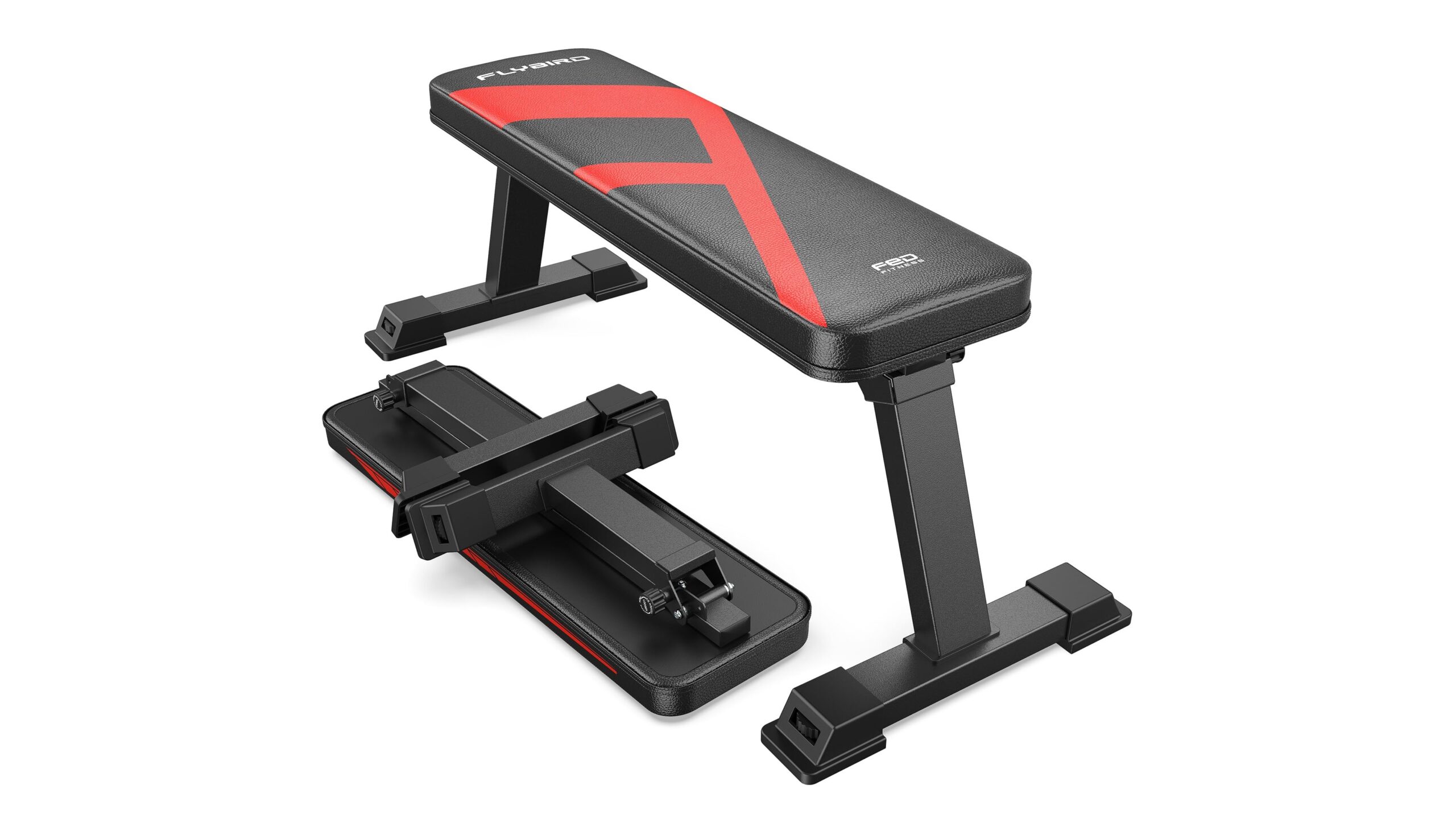
The pull portion starts with pull‑ups or chin‑ups using your doorway bar. Beginners can use chair‑assisted variations or slow negatives to build strength. Follow with one‑arm dumbbell rows, bracing on a bench or sturdy surface, to load the lats and mid‑back. Then move to resistance band rows with the door anchor at mid‑torso height, squeezing your shoulder blades together on every rep. For the biceps, rotate between dumbbell curls and band curls to vary the stimulus and reduce elbow strain. Keep your torso still and avoid swinging the weights. By alternating vertical pulls on the bar with horizontal rows and curls, you ensure balanced back development and stronger, more resilient shoulders.
Scaling, progression and a simple finisher
To scale this home push pull strength workout, start by adjusting resistance rather than changing exercises. Beginners should pick lighter dumbbell settings and thinner bands, focusing on full range of motion and clean form. Intermediates can increase load, reduce rest to 45–60 seconds and add a fourth set for the main lifts. A simple 5‑minute finisher is a push‑pull circuit: 10 band chest presses, 10 band rows, 8 push‑ups and 20 seconds of hollow‑body hold, repeated for 3–4 rounds. Track your loads, reps and rest times each week to ensure progression. Over time you can cycle exercises, but consistently pushing a little heavier or performing an extra rep is what will build real upper‑body strength in a limited home gym setup.
With a compact mix of dumbbells, resistance bands and bodyweight movements, this 45‑minute hybrid push pull strength workout offers a practical, scalable blueprint for upper‑body training at home. By alternating push and pull exercises, you keep sessions efficient, train all major muscle groups and reduce the risk of overuse. Start with conservative loads, prioritise good technique and progress gradually. In a few weeks you will notice stronger presses, more solid pull‑ups and better posture, all without leaving your home gym.