Managing blood sugar is a big topic for home athletes chasing better energy and fat loss. Among the many supplements promoted for this goal, chromium often appears as a cheap, simple fix that promises more stable glucose, fewer cravings and easier weight control. But what does the evidence actually say, and is chromium worth considering if you train in your garage gym or living room? This article looks at how chromium works, what research shows on performance and body composition, and practical safety tips for home lifters.
Table of contents
How chromium is supposed to work in the body
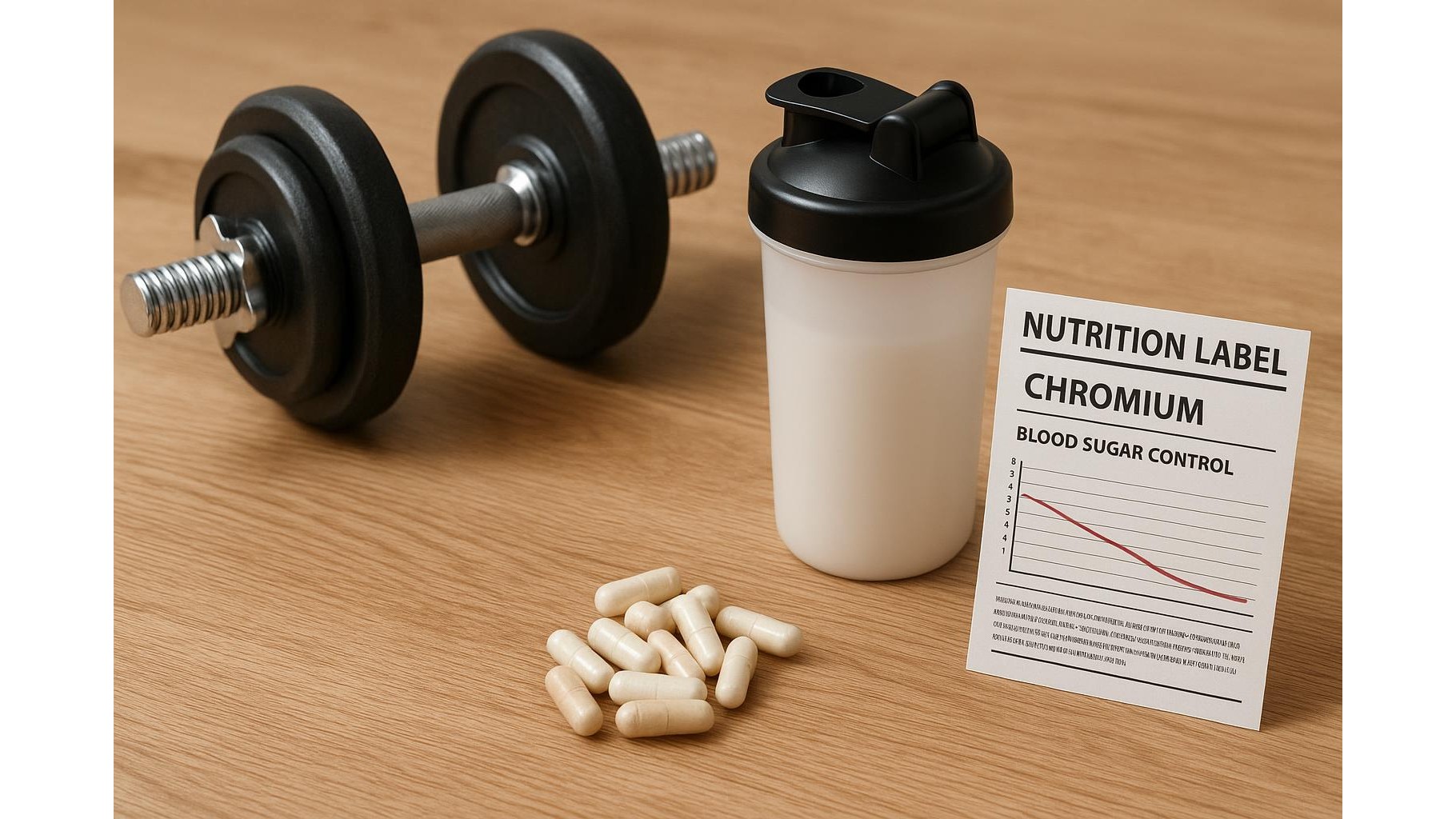
Chromium is a trace mineral that plays a role in how your body responds to insulin, the hormone that helps move glucose from the blood into muscle and other tissues. Some lab and animal studies suggest chromium may enhance insulin signalling, potentially improving insulin sensitivity. For a home athlete, the theoretical benefits would be smoother energy during training, better glycogen storage in muscles, and possibly a reduction in post-meal blood sugar spikes that can lead to fatigue or cravings. However, these mechanisms are not fully understood in humans, and the impact appears to be modest at best in people who do not have major blood sugar problems.
What research says about fat loss and performance
When it comes to fat loss, most high-quality trials on chromium, especially chromium picolinate, show small or no meaningful changes in body weight or body fat compared to placebo. Any weight differences are usually just a few hundred grams over weeks or months and are not enough to matter for someone training at home. There is also limited evidence that chromium directly improves exercise performance, strength or endurance. The key drivers of progress for home athletes remain a structured training program, adequate protein, and a sustainable calorie deficit if fat loss is the goal. Chromium, at best, might offer a very minor support for blood sugar regulation, but it is not a shortcut to a leaner physique.
Who might realistically benefit from chromium
The people most likely to experience any noticeable effect from chromium supplements are those with impaired glucose tolerance, high-normal blood sugar or type 2 diabetes, and even in these groups results are mixed. A home athlete with already good blood markers, a balanced diet and regular resistance or cardio training probably gets limited extra value. In contrast, someone who is sedentary, eats a high-sugar diet and has poor blood sugar control might see slightly improved fasting glucose or insulin markers with chromium, alongside lifestyle changes. For active home gym users, it makes more sense to focus on whole foods, adequate fibre, and consistent training before considering a trace-mineral supplement.
Food sources, dosing, and safety basics
Before turning to pills, it is worth knowing that small amounts of chromium are found in foods like whole grains, nuts, seeds and some vegetables. For most healthy home athletes, a varied diet easily covers basic needs. Chromium supplements typically provide between 100–200 micrograms per day, often as chromium picolinate. At these doses, short-term use appears generally safe, but high doses taken for long periods have raised concerns about potential kidney or liver stress in rare cases. People with existing kidney or liver disease, pregnant or breastfeeding women, and anyone already taking diabetes medication should speak with a healthcare professional before trying chromium to avoid interactions or overcorrection of blood sugar.
Practical advice for home athletes considering chromium
If you are a home athlete thinking about chromium for energy and fat loss, start by tightening the basics: consistent training, proper sleep, controlled portions and limiting ultra-processed, high-sugar foods. These strategies have a far larger impact on blood sugar control and body composition than any single supplement. If, after optimising your routine, you still want to experiment with chromium, treat it as a minor add-on, not a core strategy. Track your energy, cravings and body weight over 8–12 weeks while keeping diet and training stable, and involve your doctor if you have any history of blood sugar issues. Remember that supplements should support, not replace, disciplined habits in your home gym.
In summary, chromium has a plausible role in insulin function and blood sugar control, but for most healthy home athletes the advantages for energy and fat loss are likely modest. Evidence does not support dramatic changes in weight or performance, and any benefit is overshadowed by the effects of training, nutrition and lifestyle. Focus first on structured workouts, balanced meals and recovery; then, if needed, view chromium only as a small, optional tool in your wider home fitness strategy.