Training at home gives you full control over your workouts – but if you live with food allergies or strong intolerances, choosing safe supplements is just as important as choosing the right barbell. Protein powders, pre-workouts and vitamins can all hide allergens or be affected by cross-contamination. Learning how to read labels, decode allergen warnings and pick trustworthy brands is essential to protect your health while still supporting your performance.
Table of contents
Understanding allergen labelling on sports supplements
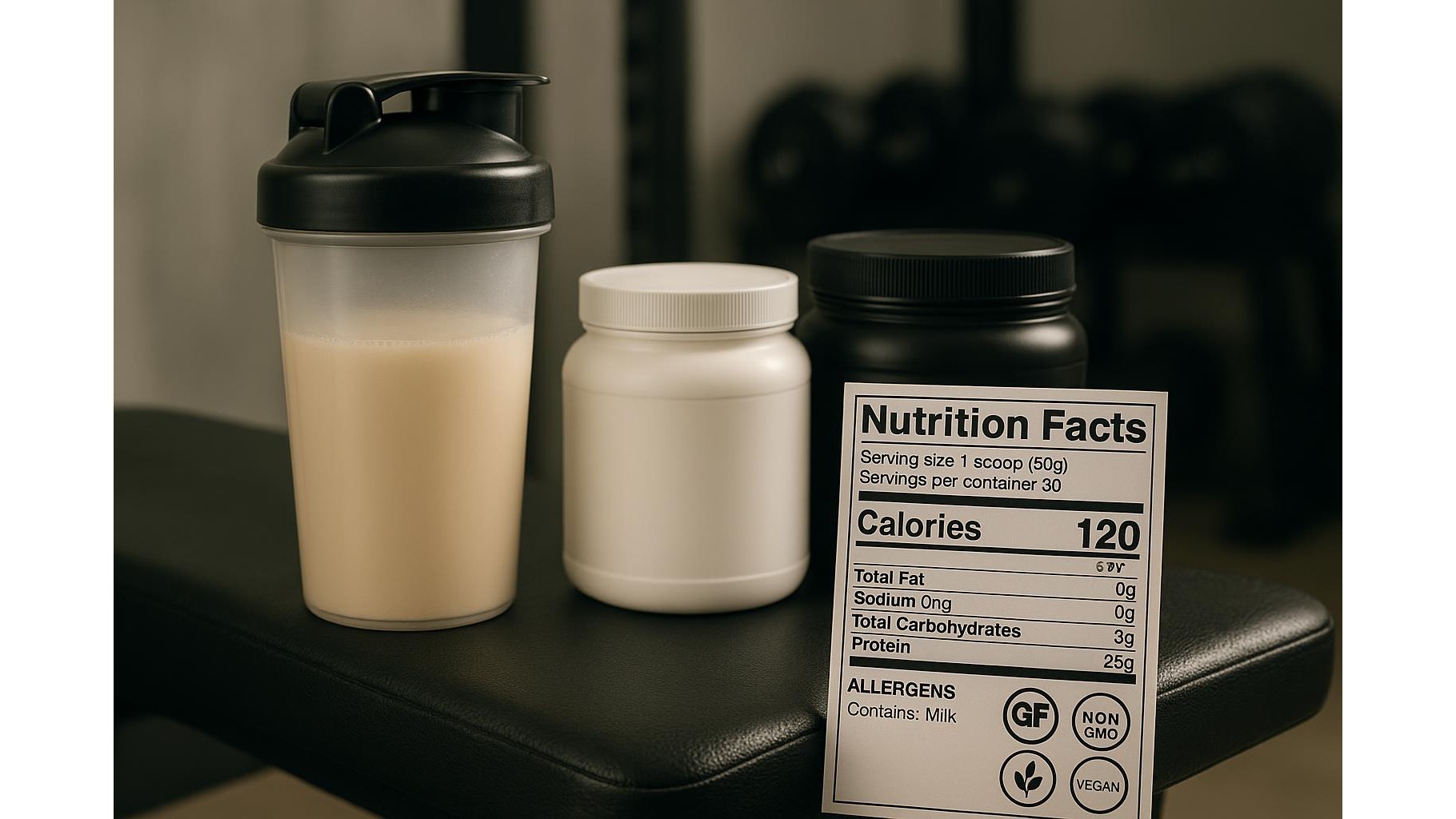
For home athletes with allergies, the first defence is the label. On UK and EU products, the top 14 allergens (such as milk, eggs, soy, gluten-containing cereals, nuts, peanuts, sesame and sulphites) must be clearly highlighted in the ingredients list, often in bold. However, sports supplements may also include blends or proprietary formulas where ingredients are grouped together. Always scan the full list, not just the nutrition table, and be very cautious with vague terms like “natural flavours” or “proprietary blend” if you have a history of severe reactions. When in doubt, contact the manufacturer before using the product, and avoid any brand that cannot give clear written information.
Spotting and managing cross-contamination risks
Even if your allergen is not listed in the ingredients, cross-contamination can be a real concern. Many protein powders and pre-workouts are made in facilities that also handle milk, soy, gluten or nuts. Look carefully for statements such as “may contain milk and soy” or “produced in a facility that also processes nuts”. These warnings are voluntary but very important for people with high sensitivity. If you react strongly to tiny traces, prioritise supplements that are produced in dedicated allergen-controlled facilities and explicitly state this on the label or on the brand’s website. For mild intolerances, you might accept low cross-contact risk, but always introduce a new product on a rest day at home, not before an intense workout.
Choosing safer protein powders for home workouts
Protein powder is often the trickiest supplement for people with allergies because many formulas are based on whey (milk) or include soy, gluten or artificial sweeteners. If you’re allergic to dairy, look for 100% plant-based options such as pea, rice or hemp protein that clearly state “dairy-free” and “lactose-free”. For gluten issues, check for a clear gluten-free claim and certification where possible. Avoid products with long lists of fillers, gums and flavourings if you know you react to additives. Because we cannot reliably identify and verify specific Amazon.co.uk products here, use these rules as a checklist: short ingredient lists, clear allergen-free claims (for your specific allergens), and transparent contact details so you can request batch information if needed.
Pre-workouts and stimulants when you have allergies
Pre-workout supplements often contain complex blends of caffeine, amino acids, flavourings and colourants. For sensitive users, this can mean a higher risk of both allergic reactions and non-allergic side effects (like flushing, hives or digestive issues). If you have allergies, favour simple formulas where each ingredient is listed with its exact dose. Be cautious with products containing “proprietary blends”, as you will not know everything that is inside. Some pre-workouts may include ingredients derived from soy or may use maltodextrin from wheat, so always verify the source of carbohydrates and flavourings if you have specific triggers. You can also create your own minimalist pre-workout at home – for example, a measured dose of pure caffeine tablets (if tolerated) plus a separate, allergen-checked electrolyte mix – to maintain maximum control.
Vitamins, certifications and picking reliable brands
Multivitamins and single vitamins can seem harmless, but excipients like binders, capsules and coatings may contain allergens such as lactose, gelatine, soya or gluten. When shopping, look for products labelled as free from the allergens that matter to you, and pay attention to whether they are capsules, tablets or powders. Certifications can help: third-party testing logos (for example, for quality or contamination checks) and specific allergen certifications such as gluten-free programmes give extra assurance that a brand follows strict manufacturing standards. On Amazon or any online shop, stick to brands with transparent labelling, clear allergen policies on their website, and responsive customer service that can provide certificates or batch data if requested.
Building a personal supplement safety checklist
To stay safe as a home athlete with allergies, create a simple supplement safety checklist and apply it every time you buy something new. Include steps like: confirm your allergy list with your doctor, read the full ingredient panel slowly, check “may contain” and facility statements, look for independent certifications, and test new products in small amounts at home before relying on them around intense training. Combine this with a consistent food diary so you can quickly spot any reaction patterns. With a bit of upfront work and disciplined label reading, you can build a supplement stack that supports your home gym performance without compromising your health.