If you love training but hate repetitive indoor sessions, the right home cardio equipment can completely change your experience. Modern treadmills, exercise bikes and rowing machines now integrate consoles, apps and smart programming that make it much easier to stay focused, push hard and avoid quitting after ten minutes. The key is to choose machines with features that actively fight boredom, and then use simple training strategies to keep every session fresh and effective.
Table of contents
Look for consoles that tell a story, not just numbers
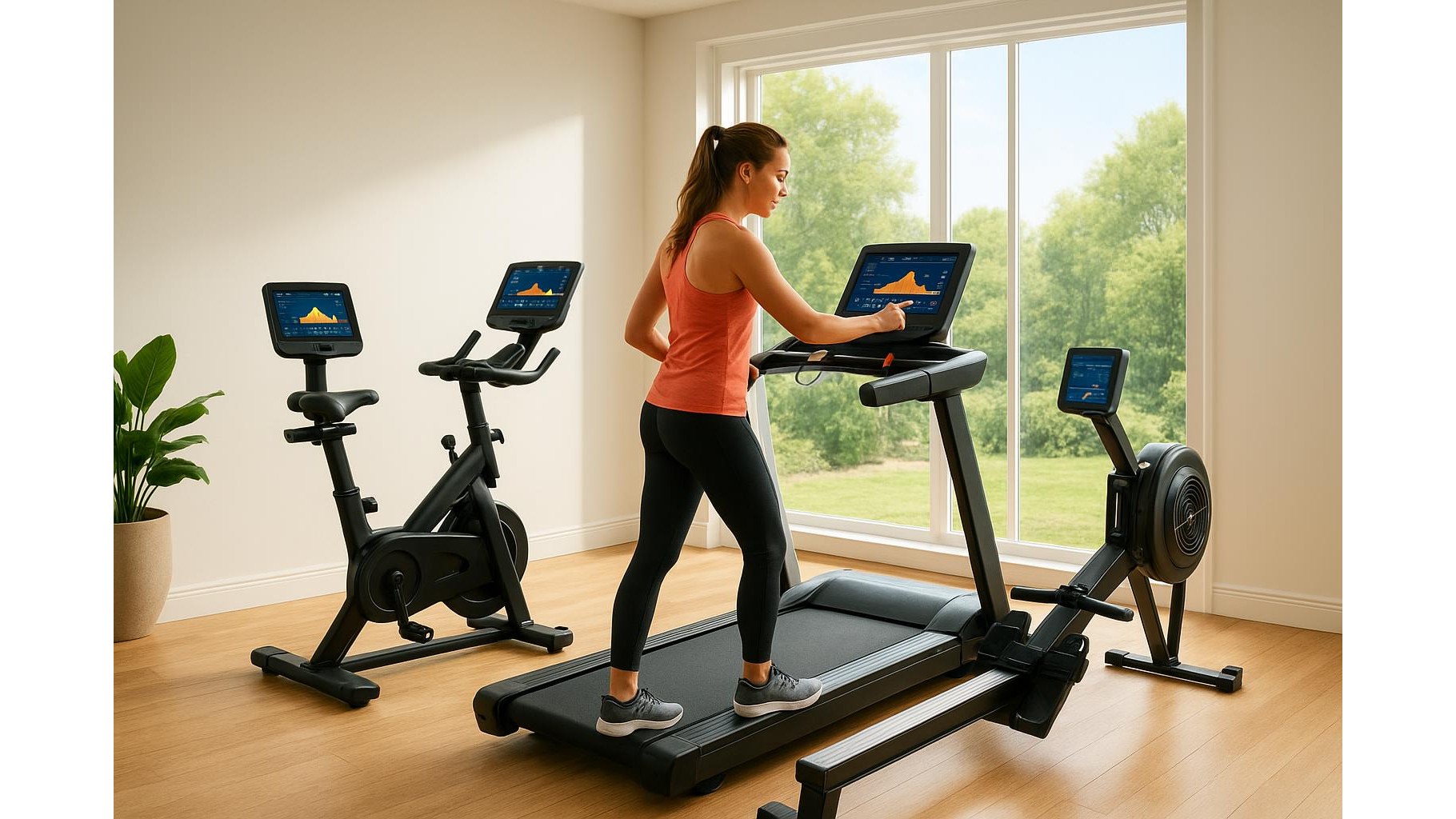
The first weapon against boredom is an engaging cardio console. Instead of staring at just time, speed and calories, look for displays that offer clear training profiles, virtual tracks, lap counters and structured intervals. Graph-based profiles help you anticipate what’s coming next, which keeps your mind busy and reduces the feeling of an endless workout. Backlit screens are important if you train early or late, while quick-access buttons (speed, incline, resistance) let you change stimulus on the fly. Even on a basic treadmill, just alternating 1–2 minute blocks of different speeds or inclines, programmed directly from the console, can transform a flat, monotonous run into a focused, purpose-driven session.
Smart treadmills: incline, intervals and multimedia
For home treadmill work, anti-boredom starts with incline and preset programs. A model with multiple incline levels lets you simulate hills and power walking, so you can alternate brisk walking uphill with easy flat recovery. Look for treadmills that include interval programs (for example fat-burn, cardio, HIIT) so you simply select a profile and follow the prompts, instead of constantly deciding what to do next. A stable deck and good cushioning also matter: if your joints feel better, you will tolerate longer sessions. Finally, check for tablet or smartphone holders and Bluetooth speakers: pairing your device for music, podcasts or guided workouts means the treadmill becomes a multimedia station, and 30 minutes pass much faster while you follow a structured audio or video session.
Exercise bikes with apps and varied resistance
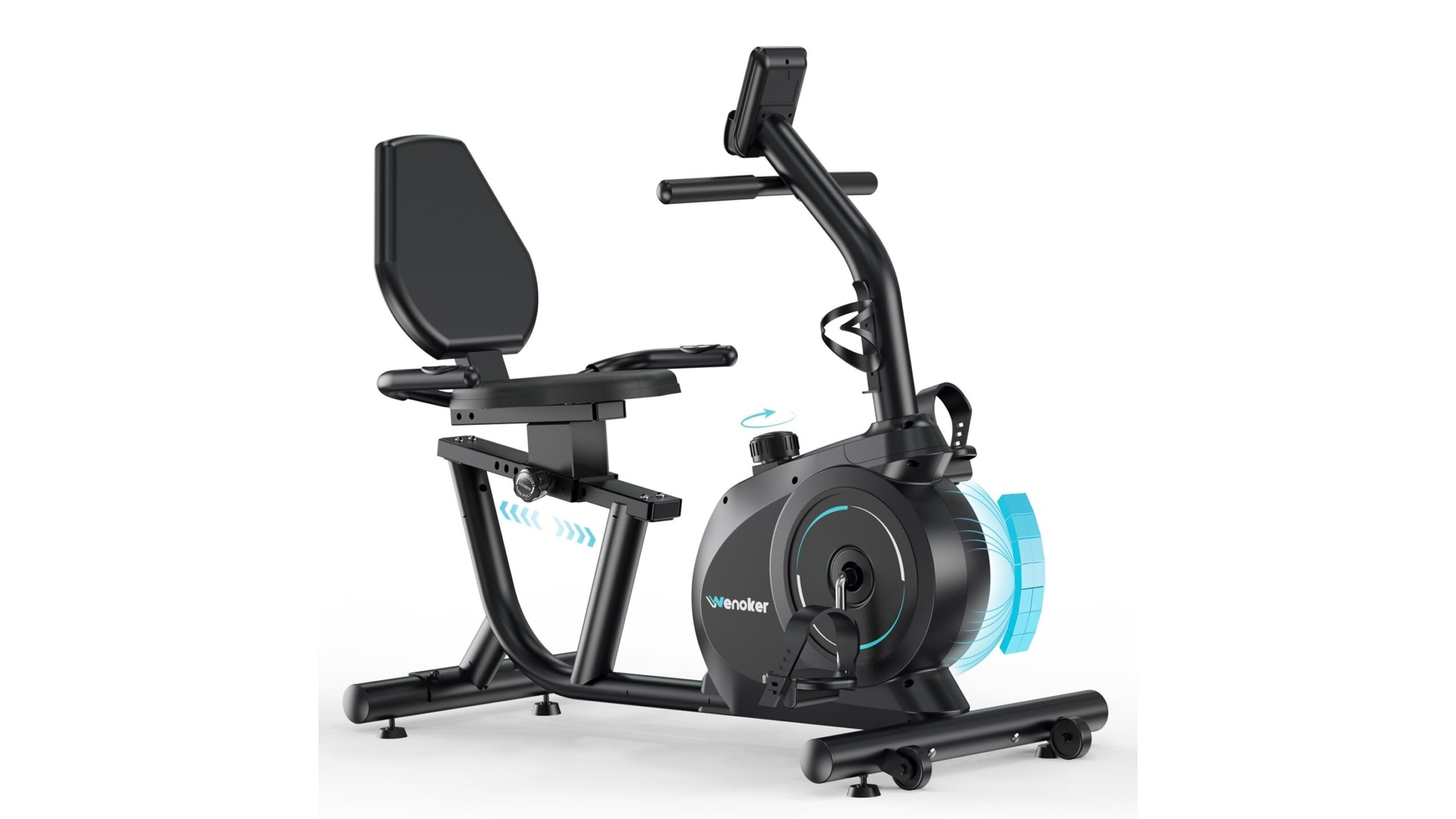
On an exercise bike, boredom often comes from pedalling at the same pace for too long. To avoid this, prefer bikes that offer a wide resistance range and targeted training modes such as watt control, heart-rate programs or hill simulations. Connectivity is a big plus: Bluetooth-compatible bikes that can link to fitness apps or virtual cycling platforms give you access to guided workouts, scenic rides and community challenges. Even without subscriptions, many companion apps allow you to save sessions, track progress and follow interval plans. Set up short workouts of 20–30 minutes with clear blocks (for example 1 minute hard, 1 minute easy) and use the console to follow cadence and power: regularly changing pace and load keeps both legs and brain engaged.
Rowing machines that feel smooth and immersive
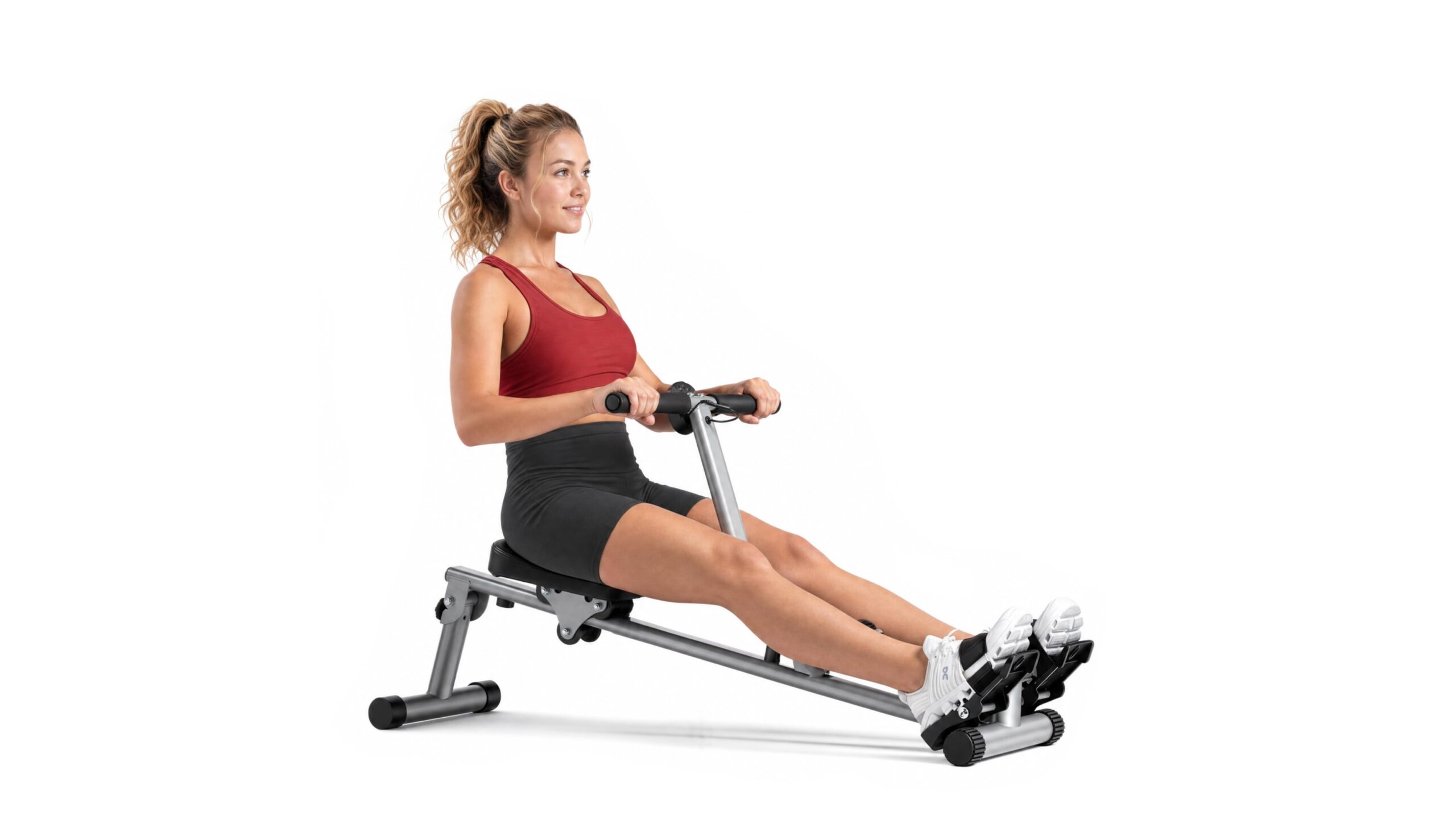
Indoor rowers are powerful tools for full-body cardio, but only if the movement feels smooth and the feedback is satisfying. To reduce monotony, choose a rowing machine with a consistent resistance system (air, magnetic or water) and a console that shows key metrics such as stroke rate, split time and distance. Interval and race modes are extremely useful: you can “chase” a target pace or virtual boat over short distances, which turns each piece into a mini challenge. A comfortable seat, ergonomic handle and adjustable footrests help you maintain good technique, reducing the discomfort that often leads people to stop early. Combine the rower with audio cues — for example a metronome or music at a specific beat-per-minute — and try 500 m or 1,000 m repeats: the clear objective for each piece makes sessions more immersive and less repetitive.
Simple programming tricks to keep sessions engaging
Even the best home cardio machines become boring without smart programming. Structure your week using different intensity zones: one easy, longer session; one interval or HIIT workout; and one tempo or threshold session. Within each workout, break time into short blocks of 3–5 minutes focused on a specific cue (cadence, posture, breathing), then switch focus in the next block. Use progressive intervals, where each repetition gets slightly harder or longer, so there is always a new mini goal. If your machine allows user profiles, save your favourite workouts and try to beat previous distance or average speed. By combining the machine’s built-in functions with clear, varied plans, you turn indoor training into a series of small, winnable challenges instead of one long, dull effort.
Choosing the right combination of consoles, programs, ergonomics and connectivity transforms treadmills, bikes and rowers from tedious tools into engaging training partners. Focus on features that create variety — intervals, incline, resistance modes, app integration and performance feedback — and pair them with short, structured workouts built around specific goals. In this way, even athletes who get bored quickly can maintain consistent, high‑quality home cardio sessions, improving fitness without dreading every minute spent indoors.