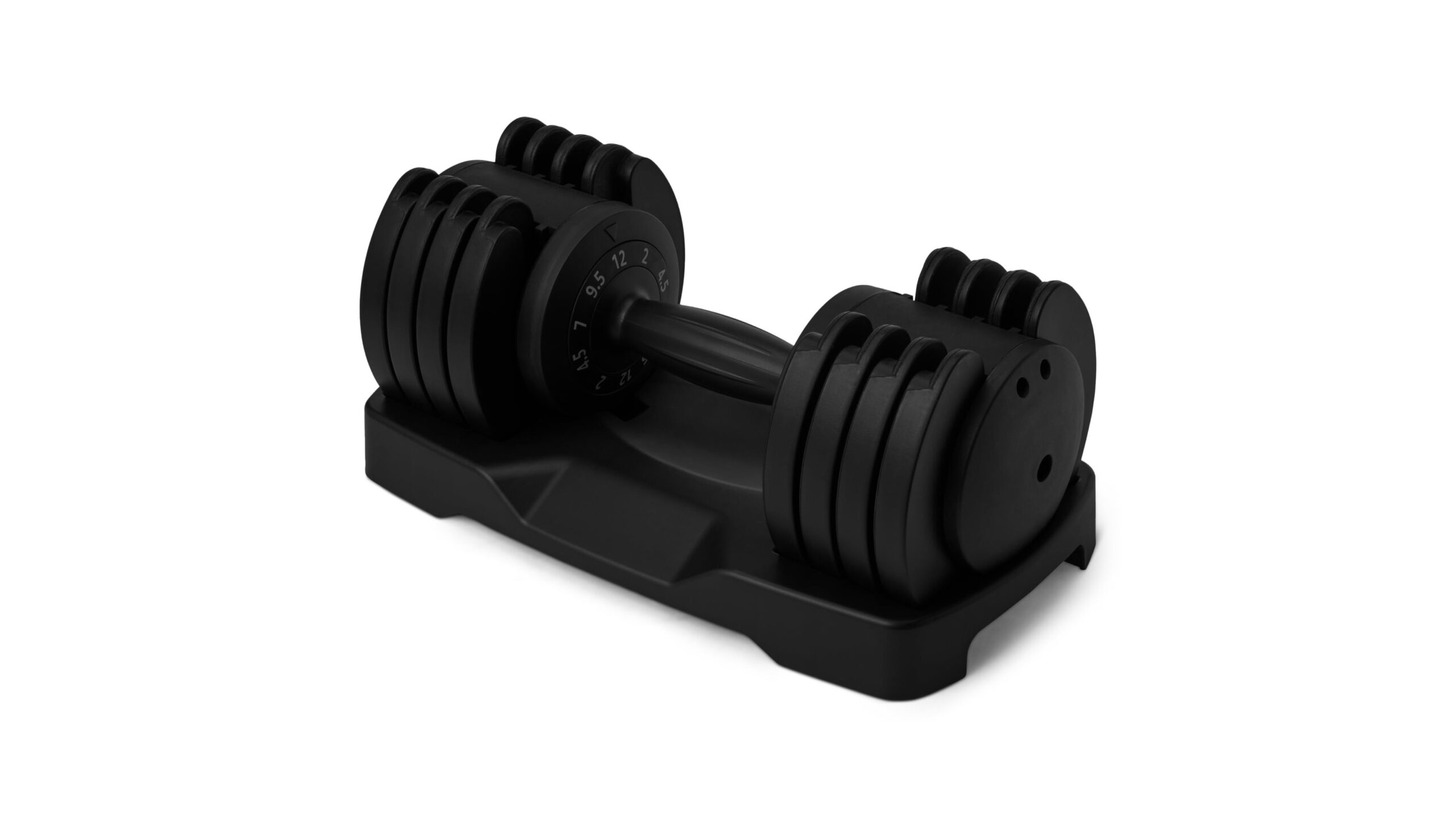
Adjustable sand-filled kettlebell sets are a smart solution if you live in a flat, don’t want to drag cast-iron weights upstairs and need gear that stays quiet on every rep. Instead of fixed metal bells, these kits use soft shells you fill with sand to reach your target weight. They’re easier to move, gentler on floors and surprisingly effective for building strength at home.
Table of contents
Why adjustable sand-filled kettlebells suit renters
For renters, the big wins are portability, low noise and floor protection. A sand-filled bell is much lighter empty, so carrying it through stairwells or into a cupboard is simple. The soft outer shell absorbs impact, so if you set it down a bit hard you won’t get the clang you’d expect from iron. Most designs also have a broader, padded base that spreads the load and helps protect laminate or wooden floors from dents and chips.
Key features to look for in a set
When choosing an adjustable kettlebell for a home gym, focus on a strong handle, secure closures and clearly marked weight ranges. Look for reinforced stitching around the handle and seams so the bell keeps its shape when you swing or press it. Zips or hook-and-loop panels should close fully over the sand to avoid leaks. It’s also useful if the shell shows recommended fill levels for 4 kg, 6 kg, 8 kg and above, helping you repeat the same setup every time. A grippy, slightly textured handle is ideal for sweaty hands without needing chalk.
Filling, adjusting and storing your kettlebell
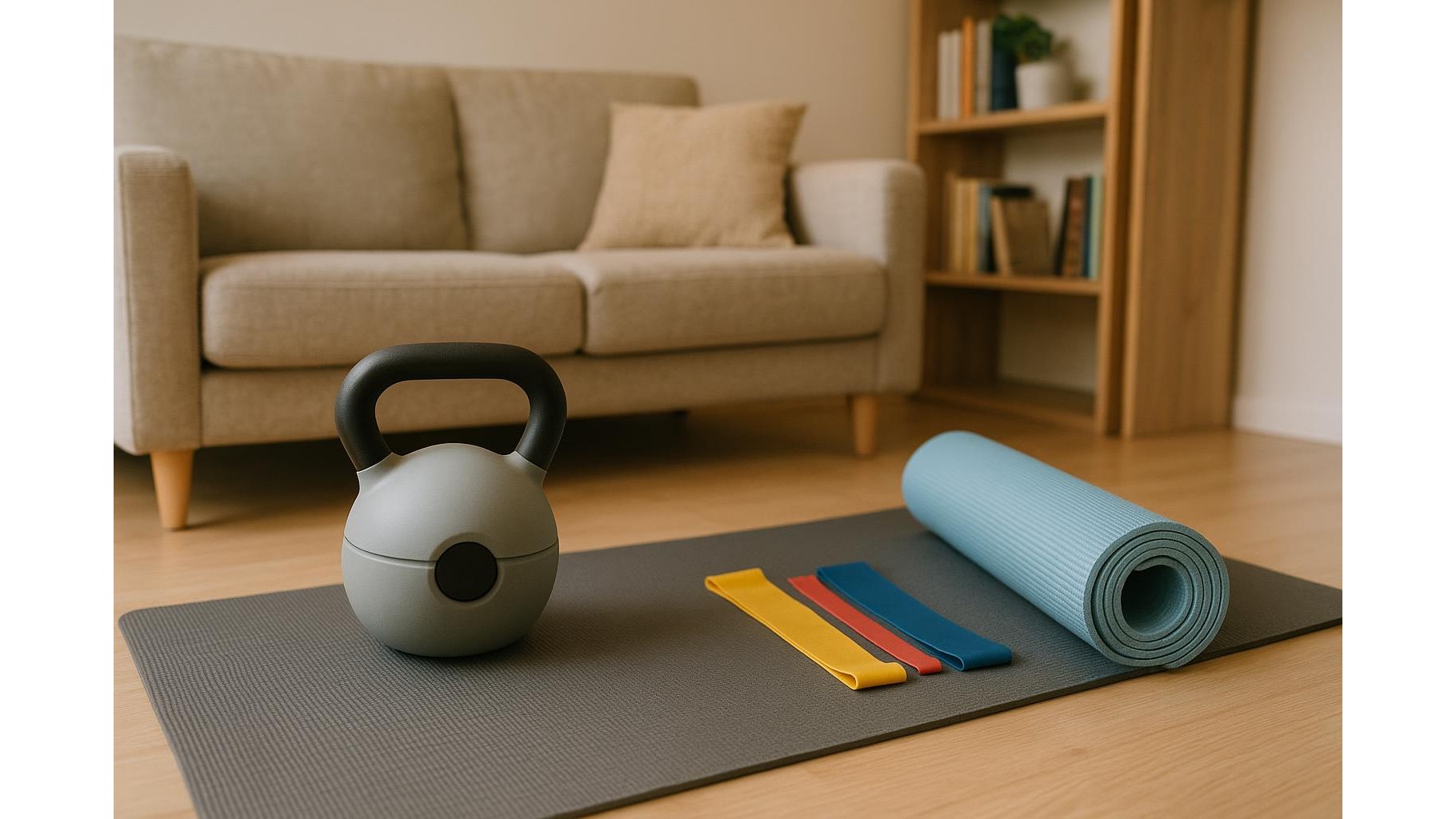
For filling, use dry play sand or kiln-dried sand, and if possible add it in smaller inner bags so you can quickly adjust the total load. Fill to the recommended line, then press out excess air before closing to keep the shape compact and stable. To change weight, remove one or more internal bags instead of pouring sand directly. This keeps your living space clean and makes weight changes fast between sets. When you’re done training, you can store the bell in a wardrobe or under the bed; many renters keep them in a small box with their resistance bands and yoga mat for a clutter-free home gym corner.
Training ideas: full-body strength in a small space
Sand-filled kettlebells enable a full-body routine even in a studio flat. At lighter loads you can work on conditioning with swings, goblet squats and deadlifts. Increase the fill level for slower, strength-focused moves such as overhead presses, rows and lunges. The softer, slightly shifting load challenges stabiliser muscles and grip, giving a different feel from rigid iron. Because they’re quieter, you can train early or late without worrying about neighbours below you. Combine 2–3 sessions per week with bodyweight moves like push-ups and planks for a balanced home program.
Safety, noise control and floor protection
Even with soft shells, treat your kettlebell like any other weight. Warm up your hips and shoulders, keep a neutral spine and start lighter than you think you need while learning technique. Use a training mat to absorb the last bit of impact and further dampen noise, especially if you’re above another flat. Avoid swinging directly over fragile surfaces or near furniture corners to prevent accidental damage. Regularly check seams, zips and handles for wear; if any stitching starts to open or you notice leaking sand, retire the shell or repair it before your next workout.
For renters who want to build strength at home, adjustable sand-filled kettlebell sets deliver portability, comfort and peace with the neighbours. By choosing a well-constructed shell, filling it carefully and following a simple full-body routine, you get most of the benefits of traditional kettlebell training without the hassle of hauling heavy metal upstairs or risking damage to your floors.