
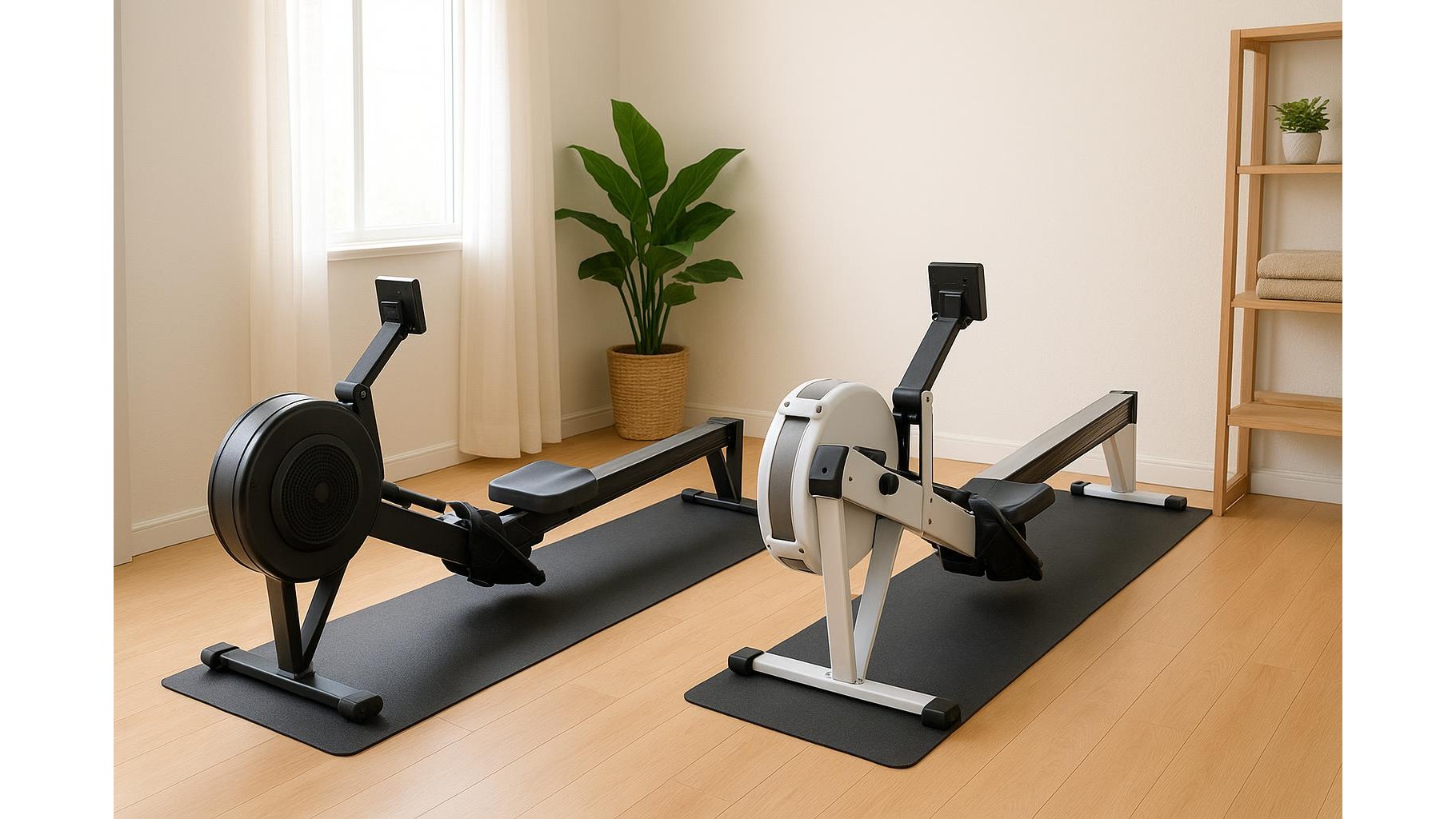
Choosing between a front-drive and rear-drive rowing machine is about much more than where the flywheel sits. At home, footprint, noise level, maintenance and overall rowing technique matter as much as resistance type. Understanding how flywheel placement changes the feel of each stroke can help you build a more effective and enjoyable home rowing setup that actually gets used, instead of becoming an expensive clothes hanger.
How flywheel position changes rowing feel
On a front-drive rower, the flywheel and resistance system sit in front of the handle, usually right under the performance monitor. This creates a slightly more front-loaded stroke: resistance tends to ramp up quickly as you push with the legs, which many users describe as a more aggressive, connected feel. With a rear-drive rower, the flywheel is positioned behind the seat rail. This can make the initial catch feel a touch lighter, with resistance building as you accelerate through the midstroke. For beginners or those focusing on longer steady sessions, rear-drive often feels smoother and more forgiving, while front-drive layouts can feel sharper and more responsive for intervals and power work.
Impact on footprint and home space management
Flywheel placement also affects how easily the machine fits into a small home gym or living room. Front-drive machines often concentrate more weight toward the front, making them stable and easier to tilt and roll on transport wheels into a corner. The overall footprint can be slightly shorter, especially on models with folding rails. Rear-drive rowers stretch the mass of the machine along the rail, which can feel more balanced during the stroke but may demand a bit more floor length. Some rear-drive designs store vertically, but you must ensure sufficient ceiling height and a secure locking mechanism. Before buying, measure both the working area for your full stroke and the storage area, not just the published footprint.
Noise, resistance feel and home-friendly training
While noise level is mainly driven by resistance type (air, magnetic, water or hybrid), flywheel position can change how that noise is perceived in a room. A front-drive air rower places the fan closer to walls or furniture at the front of the machine; this can bounce sound back toward the user but sometimes away from neighbours below. Rear-drive layouts may project fan or water sound behind you, which might travel more freely through open-plan spaces. In compact flats, pairing a front-drive magnetic rower with a thicker exercise mat is often the quietest solution for early-morning or late-night workouts. Regardless of drive layout, choose a resistance system that matches your training style: air for variable, sport-like feel; magnetic for quiet, controlled resistance; water for a natural, swishy stroke.
Technique, comfort and maintenance demands
Good rowing technique is possible on both front-drive and rear-drive machines, but flywheel position alters how the handle path and chain or belt tension feel. On many front-drive designs, the chain entry point is slightly higher, encouraging an upright posture and a clear path over the knees, which can help beginners learn proper sequencing. Rear-drive rowers may feel more like sliding toward the resistance unit as you drive, which some users find more intuitive. In terms of maintenance, front-drive units concentrate moving parts in one accessible housing at the front, making it simple to vacuum dust from vents or adjust the damper. Rear-drive systems can keep the flywheel further from sweat drops but occasionally require more attention to the longer rail and seat rollers to keep the stroke smooth and quiet.
Choosing the right layout for your home gym
When deciding between front-drive vs rear-drive rowing machines, prioritise your real-world constraints: space, neighbours, training goals and how often you plan to row. If you need a rower that tucks easily into a corner, moves on transport wheels and feels lively for intervals, a front-drive layout with magnetic or hybrid resistance tends to be the most home-friendly option. If you have a longer dedicated workout area and prefer smoother, endurance-focused sessions with a more relaxed catch, a rear-drive configuration can be very comfortable. Whichever you choose, look for a stable frame, a comfortable seat, adjustable footrests and a clear console that tracks pace, distance and stroke rate so you can progress safely over time.
In summary, flywheel position isn’t just a design detail: it directly influences the feel of the stroke, the rower’s footprint, how much noise it makes and how easy it is to maintain in a home environment. Front-drive machines tend to be compact, easy to move and slightly more responsive, while rear-drive machines often feel smoother and more spacious to use. By matching the drive layout to your training style, living space and noise tolerance, you can choose a rowing machine that supports consistent, enjoyable workouts and becomes a long-term cornerstone of your home fitness routine.









