Building a reliable home workout routine starts with the right gear, and your leggings are one of the most important pieces. The best pairs feel like a second skin, stay in place through squats and burpees, and keep you cool during intense circuits. Understanding fabrics, compression, waistband design and how each model supports different body shapes and sports will help you choose leggings that make training at home more comfortable and effective.
Key criteria for home workout leggings
For home fitness, the core criteria are breathability, support, comfort and durability. Breathable leggings use moisture-wicking, quick-dry fabrics that move sweat away from the skin so you stay cooler during HIIT or strength sessions. Support comes from graduated compression, secure waistbands and a pattern that follows your natural lines without digging in. Comfort means flat seams or seamless construction to avoid chafing on yoga mats or during floor work. Finally, durable leggings maintain their stretch and colour after repeated washes, an important factor when you train several times a week at home.
Fabrics and technologies that keep you cool
The most breathable leggings combine synthetic fibres such as polyester and nylon with elastane for stretch. Look for descriptions like “moisture-wicking”, “quick-drying” or “sweat-wicking” that indicate technical performance. Mesh panels behind the knees or along the calves increase airflow during intense cardio. Thinner, lightweight fabrics are ideal for high-rep bodyweight training and HIIT, while slightly thicker, brushed fabrics can be better for slower, restorative home yoga on cool mornings. If you tend to overheat, prioritise leggings with a cool-touch feel and a high percentage of performance fibres rather than cotton, which tends to hold onto moisture.
Compression and waistband types for support
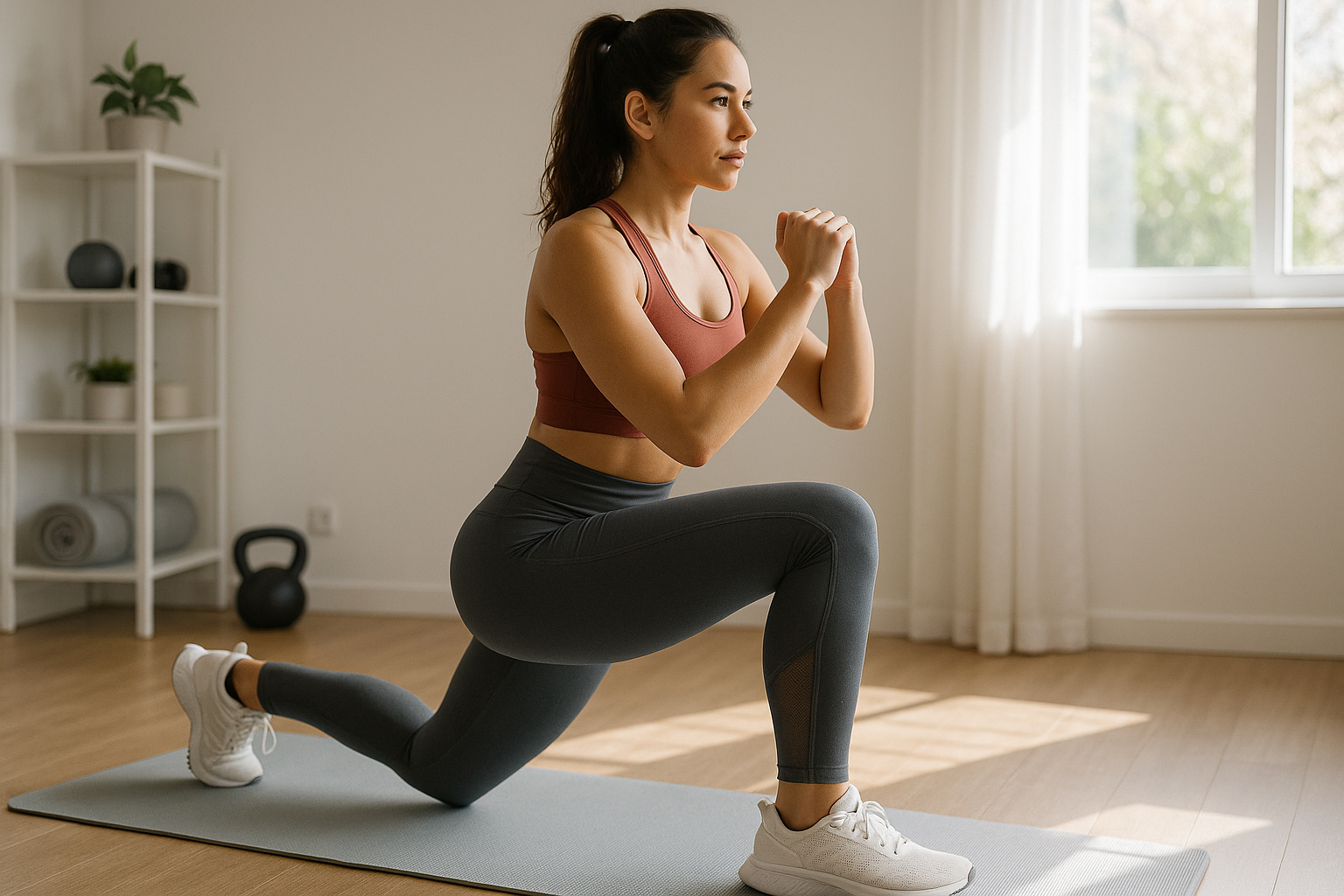
Compression leggings gently hug the muscles to reduce bounce and provide a more held-in feel, which many people appreciate for home strength workouts. Medium compression is usually the sweet spot for all-day comfort: enough support for squats and lunges without feeling restrictive when you sit at your desk between sessions. Waistband design is equally important. A high-waisted, wide waistband offers core support and helps leggings stay in place during planks and mountain climbers. V-shaped waistbands can flatter the waist and avoid digging in, while adjustable drawcords give extra security for dynamic cardio. If you often find leggings rolling down, look for descriptions mentioning “no-slip” or “stay-put” waistbands.
Squat-proof materials and opacity
At home you may feel more relaxed, but “squat-proof” leggings still matter for confidence, especially if you train near windows or on camera during online classes. Squat-proof means the fabric stays opaque even when stretched deeply in squats, deadlifts or glute bridges. This depends on fabric thickness, density of the knit and the percentage of elastane. Darker colours are generally more forgiving, but quality construction is the real key. When possible, check reviews that mention opacity and test your leggings by bending in front of a mirror in good light. If you see your underwear pattern clearly, the leggings may be better suited to low-intensity stretching than heavy lower-body training.
Matching leggings to body shape and sport
Different body types and activities benefit from different designs. If you have curvier hips or a fuller seat, look for high-rise leggings with a contoured back seam and plenty of stretch through the hip to prevent gaping at the waist. For straighter figures, a compressive waistband can add a secure, sculpted feel without slipping. For yoga and Pilates, soft, four-way stretch fabric and minimal seams allow full mobility and comfort in floor work. For strength training and circuits, choose more compressive, squat-proof leggings that provide muscle support. Runners who train on treadmills at home may prefer lighter, highly breathable leggings with less compression for natural stride. Always prioritise a fit that feels stable but never restrictive around knees and hips.
Choosing the right pair of breathable and supportive leggings for home workouts comes down to understanding your training style, body shape and comfort preferences. Focus on high-performance fabrics that wick sweat, the right level of compression, a secure waistband and genuinely squat-proof opacity. With these criteria in mind, you can build a small rotation of leggings that help you move confidently, stay cool and get more from every home session, whether you are lifting, flowing through yoga or smashing a fast HIIT circuit.