
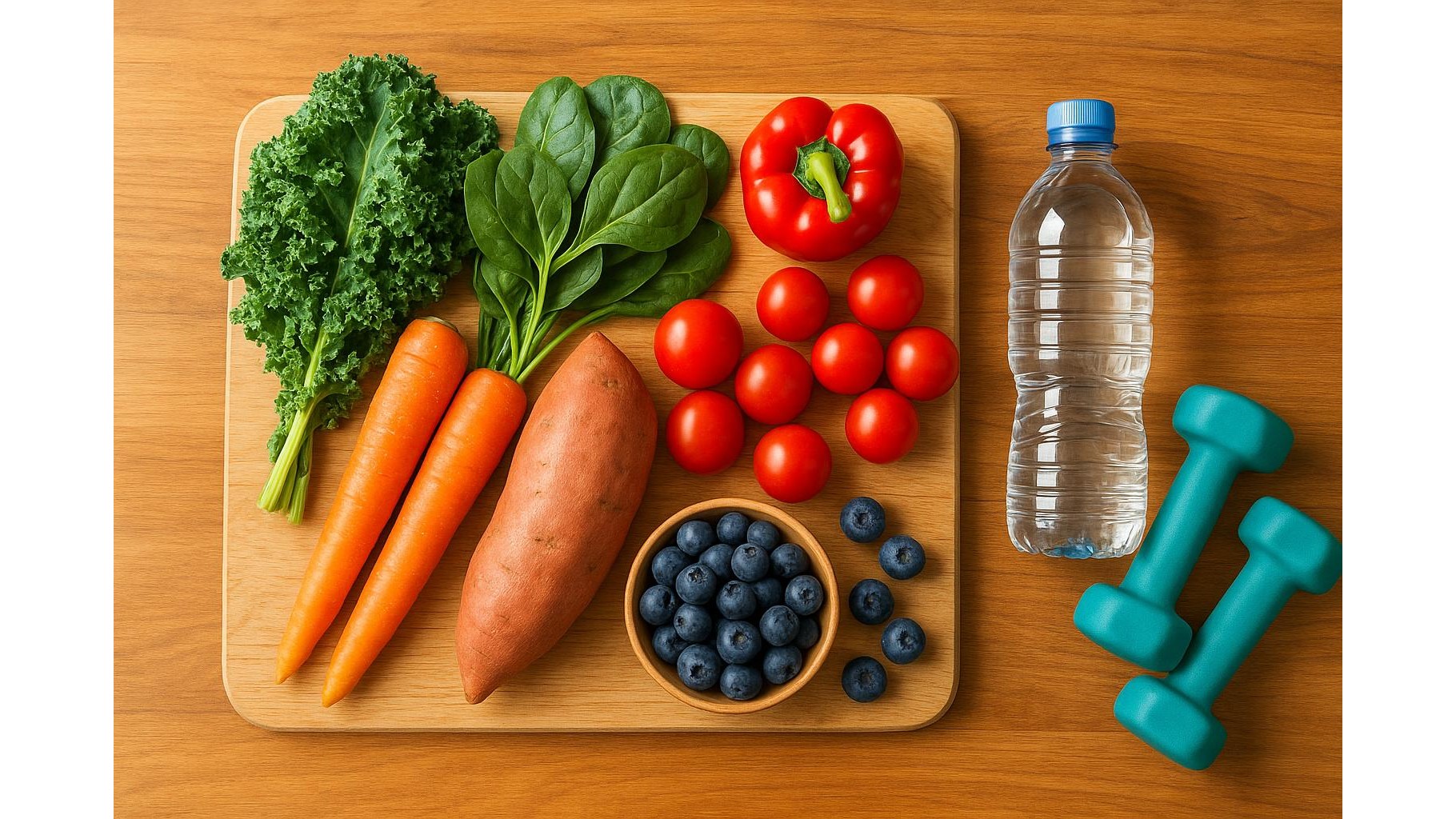
Training at home puts steady stress on your muscles, immune system and energy levels. Before reaching for another supplement, it is worth understanding how everyday beta carotene and other food-based antioxidants can support recovery and health. Building a colourful plate with fruits, vegetables and whole plant foods is a practical, sustainable way to protect your cells from oxidative stress without adding more pills to your routine.
What beta carotene actually does in your body
Beta carotene is a pigment that gives carrots, sweet potatoes and many orange or dark green vegetables their bright colour. In the body it acts both as an antioxidant and as a precursor of vitamin A, which supports vision, immune function and healthy skin. For home athletes, this matters because intense or frequent workouts increase the production of free radicals, unstable molecules that can damage cells. Beta carotene helps neutralise some of this oxidative stress. Unlike preformed vitamin A from animal foods or high-dose capsules, beta carotene from whole plants is largely self-regulating: your body converts only what it needs into vitamin A, making it a safer, food-first strategy.
Why home athletes should care about colourful antioxidants
Every squat, push-up or kettlebell circuit at home creates microscopic muscle damage that needs to be repaired. Antioxidants such as beta carotene, vitamin C, vitamin E and polyphenols from plants help limit excessive inflammation so you can bounce back between sessions. A diet full of colourful foods supports your immune system, which is especially important if you train hard while juggling work and family stress. Rather than chasing single nutrient mega-doses, think about overall dietary patterns: a rainbow of plant foods at each meal delivers a mixture of antioxidants that work together, along with fibre, minerals and healthy carbs to fuel and repair your body.
Building a bright, plant-rich plate at home
You do not need complicated recipes to load up on beta carotene and antioxidants. Aim for at least one orange or dark green vegetable at lunch and dinner. Easy options include roasted sweet potatoes, carrot sticks, butternut squash, spinach or kale. Combine them with other colours for extra protective power: red peppers and tomatoes for lycopene, purple cabbage and berries for anthocyanins, and leafy greens for folate and vitamin K. A simple home-gymer plate might be: baked salmon or beans, a large serving of roasted carrots and sweet potato, a handful of steamed broccoli and a side salad with olive oil. The more colours you see, the more diverse your antioxidant intake is likely to be.
Timing and small habits that support recovery
To get the most from plant-based antioxidants, focus on timing and consistency rather than obsessing about perfection. Including a source of healthy fats such as olive oil, avocado or nuts with beta carotene-rich vegetables improves absorption because beta carotene is fat-soluble. Post-workout, pair a carb source with colourful produce, for example wholegrain toast with mashed avocado and tomato, or a smoothie with carrots, frozen mango and spinach. Spread your fruit and vegetable intake across the day so your body has a steady supply of protective compounds during repeated home workouts. Remember that habits like sleep, hydration and not smoking amplify the benefits of a colourful diet.
Do you still need supplements?
If your diet is low in fruits and vegetables, a basic multivitamin or targeted supplement might help fill gaps, but whole foods should remain the foundation. High-dose beta carotene supplements, especially for smokers or ex-smokers, are not recommended, as some studies link them to increased health risks. By contrast, beta carotene from carrots, sweet potatoes and dark leafy greens has consistently been associated with better health outcomes. For most home athletes, investing effort in weekly shopping, prepping vegetables and keeping frozen produce on hand will bring more long-term benefits than chasing the latest antioxidant capsule.
In summary, focusing on beta carotene and other colourful, plant-based antioxidants is a simple, pill-free strategy to support recovery, immune health and performance in your home gym. By filling your plate with orange, green, red and purple vegetables and fruits at most meals, and pairing them with healthy fats and adequate protein, you create a nutritional environment that helps your body adapt to training. Start with small, consistent changes to your shopping list and recipes, and let your food quietly handle much of the antioxidant work in the background.









