Spending a lot of time on pull-ups, bar hangs and ring work is fantastic for upper-body strength, but it can be brutal on your thumbs and fingers. Skin tears, joint irritation and tendon aches can quietly build up until they stop your training altogether. With a few simple habits around warm-up, taping and recovery, you can protect your hands, keep pain under control and stay consistent in your home gym.
Why thumb and finger care matters for home athletes
In a home gym, you often repeat the same movements: pull-ups, chin-ups, bar hangs, rows and gymnastic ring drills. This repetitive stress lands heavily on the small joints of your fingers and the thumb, especially if you use a strong grip or false grip on rings. Without protection, micro-trauma to skin, ligaments and tendons can turn into chronic pain, reduced grip strength and even time off from training. Building a simple hand-care routine that includes warm-ups, smart taping and post-session recovery lets you keep progressing while reducing the risk of overuse injuries.
Essential warm-up drills for thumbs and fingers
Before you grab the bar or rings, give your hands a dedicated warm-up. Start with 1–2 minutes of general movement such as arm circles or light band pulls to increase blood flow to the upper body. Then perform specific finger and thumb mobility drills: slow fist-to-open-hand repetitions, individual finger extensions against light resistance, and gentle thumb circles. Add a few sets of easy bar hangs or assisted ring holds to “rehearse” the grip you will use during training. This prepares the small joints for load, makes the tendons more elastic and can significantly reduce the sharp discomfort many people feel in their thumbs at the start of a session.
Taping basics: supporting skin and joints
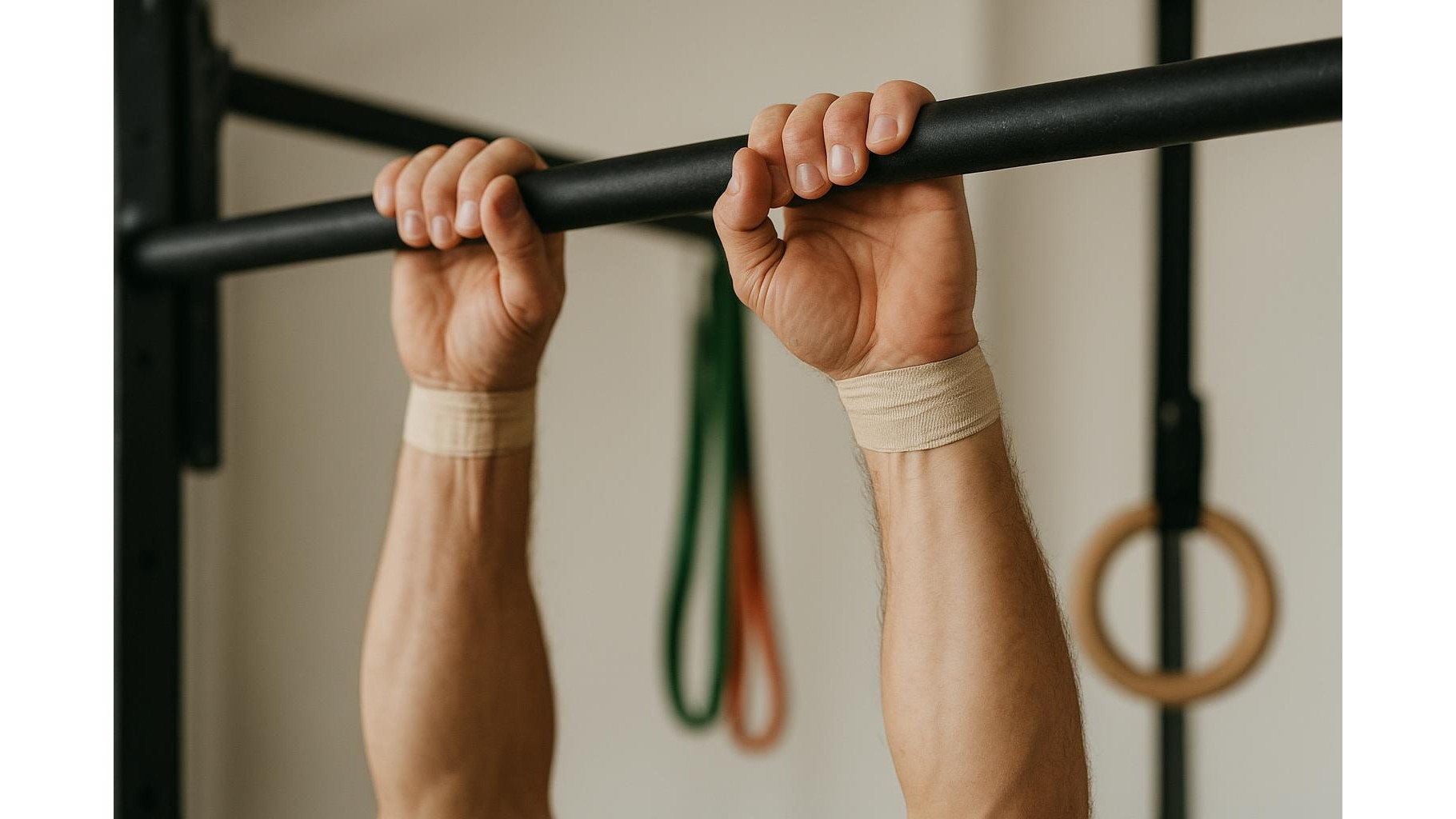
Athletic tape can be a powerful tool to protect both skin and joints during high-volume bar and ring work. For the thumb, a simple spiral wrap around the distal joint (the one closest to the nail) can reduce friction on the skin and gently support the joint when you use a strong hook grip on the bar or a false grip on rings. For fingers, a short strip wrapped in a figure-of-eight above and below a sensitive joint can limit painful ranges of motion while still allowing you to hold the bar. Make sure the tape is snug but not so tight that it cuts off circulation: test by checking that your fingertip stays pink and that you can still fully bend and extend. Taping is not a permanent solution, but used strategically on long sets of pull-ups or when returning from a minor tweak, it can keep you training safely.
Smarter pull-up and ring technique to reduce stress
Technique is one of the most powerful forms of injury prevention for thumbs and fingers. On the pull-up bar, experiment with a “deep” grip where the bar sits closer to the base of the fingers instead of directly on the delicate skin near the tips; this spreads load over a larger area and reduces hotspots. Avoid violently dropping out of the bottom position, which sends a shock load through the hands; instead, control the eccentric phase and keep some tension in your shoulders. On rings, build up your false grip gradually and avoid long static holds in painful positions—alternate between false grip and regular grip within a session. Pair technique adjustments with proper volume management: increase total weekly reps of pull-ups and ring work by small increments rather than sudden jumps that punish your hands.
Post-session recovery for thumbs and fingers
When you finish your bar or ring session, invest five extra minutes in recovery for thumbs and fingers. Start with light active movements: open and close your hands, perform gentle finger abductions and thumb-to-fingertip taps. Then use a small ball or your opposite thumb to massage the forearm muscles that control your grip; releasing tension upstream often eases aching in the fingers. Brief contrast exposure (alternating warm and cool water) can help with mild swelling after heavy sessions. Finish with a simple skin routine: wash chalk off, gently sand down calluses if needed and apply a small amount of hand balm so the skin stays supple rather than cracking under load. These habits make a big difference for anyone doing frequent hangs, pull-ups and ring training at home.
When to rest and adjust your training
Even with strong habits, there will be times when your thumbs and fingers need a break. Sharp, localized joint pain, a sudden drop in grip strength or visible swelling that does not settle after a day are all signs to reduce load. Swap some pull-up or ring volume for rowing variations using straps or a neutral handle that is easier on the hands. You can also focus on technique drills, tempo work or lower-body training while your fingers calm down. Respecting early warning signs prevents minor issues from becoming bigger injuries. Combined with warm-up drills, basic taping techniques and short post-session recovery, this “listen to your hands” approach keeps your home training sustainable over the long term.