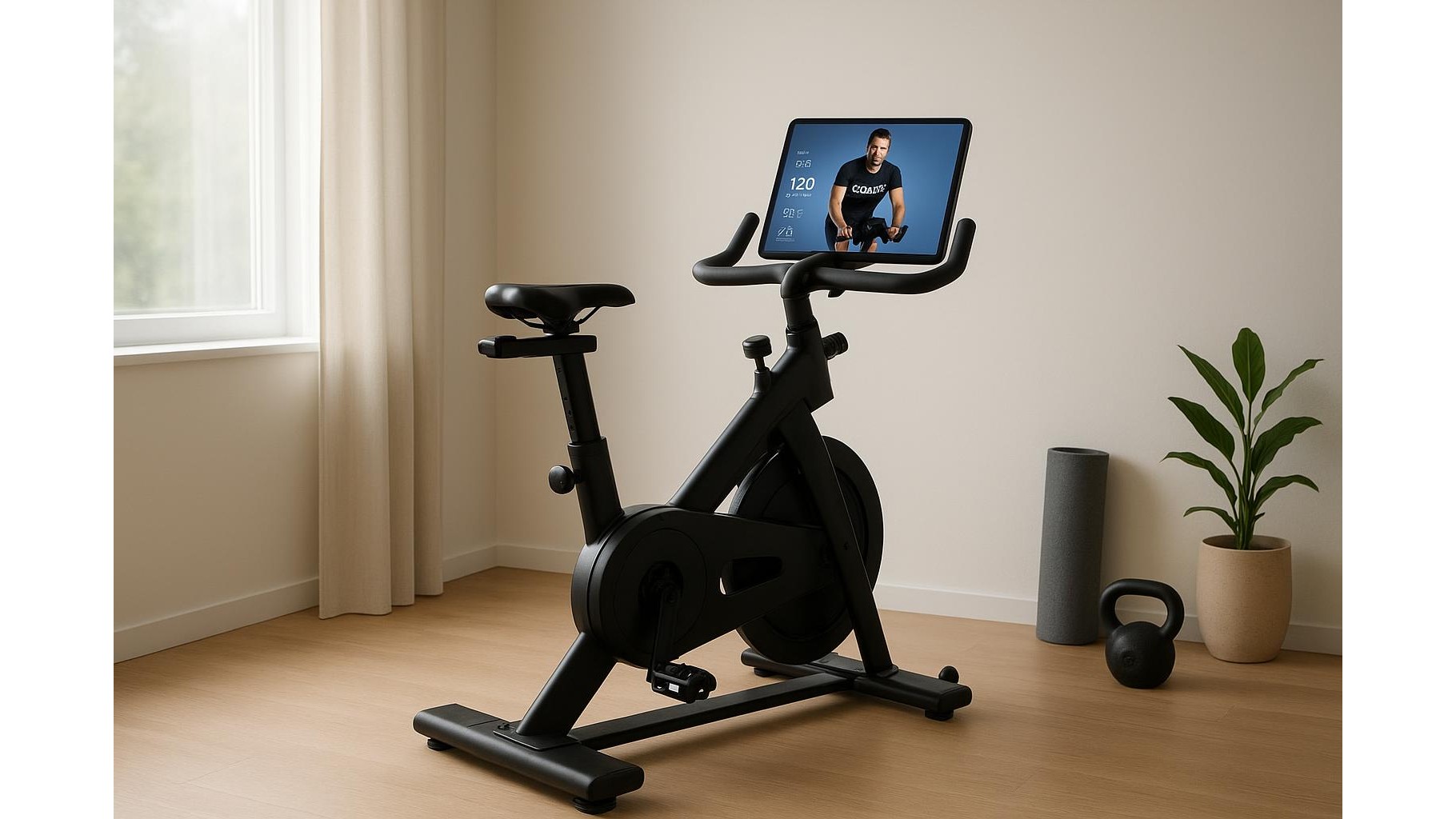
AI-assisted spin bikes are redefining the modern home gym, turning solo rides into immersive, data-driven training sessions. Instead of simply pedalling against a fixed resistance, you now get adaptive coaching, smart resistance control and real-time form feedback that can make every minute on the bike more effective. Understanding how these technologies work helps you decide which features are truly worth paying for when you ride primarily at home.
How AI turns a basic spin bike into a smart coach
At the core of an AI-assisted spin bike is a mix of sensors, connectivity and training algorithms. The bike tracks cadence, power estimates, heart rate (via a chest strap or smartwatch) and sometimes even pedal smoothness. This data is sent to an app, where AI models analyse your performance over time to adjust workout intensity, suggest rest days and highlight weaknesses such as low cadence endurance or limited sprint capacity. Compared with a standard indoor bike, a smart model provides structured training plans, automatic target setting and personalised zones, which is especially useful if you train alone in a home cycling setup.
Adaptive resistance and personalised training plans
One of the biggest upgrades over a classic spin bike is adaptive resistance. Instead of manually twisting a knob and guessing the right load, AI-enabled systems can automatically adjust resistance to keep you in the correct intensity zone during intervals and endurance blocks. Over several weeks, the software will detect whether you are getting stronger, then nudge your FTP (functional threshold power) equivalent or target watt range higher. This makes it easier to follow progressive overload without constantly re-testing yourself. For riders who want efficient training in short windows before or after work, this kind of automation is often more valuable than flashy screens or built-in speakers.
Virtual coaching, classes and motivation at home
Another major benefit of AI-assisted home bikes is access to virtual coaching and on-demand classes. Companion apps can build weekly plans around your schedule and goals, then use your ride history to recommend specific workouts: tempo rides for those training for sportives, or HIIT sessions if fat loss and time efficiency are key. Many platforms combine instructor-led videos with adaptive targets shown on your phone or tablet, so you always know whether to push or ease off. For riders who struggle with consistency, this steady stream of guided workouts, badges and streaks can dramatically improve adherence compared with riding alone on a basic bike.
Form feedback, comfort and injury prevention
Some advanced systems go beyond metrics and start analysing your cycling form. Using cadence patterns, power balance between legs or even camera-based posture checks in the app, they can flag inefficient technique or poor saddle height. While not a replacement for a full professional bike fit, this feedback is particularly helpful for beginners building a long-term indoor cycling routine. A good home spin setup should also prioritise comfort and ergonomics: adjustable saddle and handlebar height, a stable frame and smooth magnetic resistance. Combined with form cues from the software, this reduces the risk of knee, hip or lower back issues during frequent home sessions.
Key features to prioritise when buying for home use
When choosing an AI-assisted exercise bike for your home gym, start by focusing on the features that truly impact your training, not just aesthetics. Reliable Bluetooth connectivity and compatibility with major training apps matter more than a built-in screen, since many riders prefer using an existing tablet. Look for smooth, quiet magnetic resistance, solid weight capacity and fine-grained adjustment. In terms of software, prioritise clear training plans, intuitive data displays and long-term support over dozens of niche metrics. Finally, check subscription requirements: some platforms lock core AI features behind monthly fees, while others offer basic adaptive coaching for free, which can significantly affect long-term value in a home environment.
In summary, AI-assisted spin bikes bring structured coaching, adaptive resistance and helpful form feedback directly into your home, turning ordinary indoor rides into targeted, efficient workouts. By understanding how smart features work and focusing on connectivity, comfort and realistic subscription costs, you can choose a bike that delivers meaningful performance gains rather than just tech gimmicks. For riders who want to maximise limited training time, these intelligent indoor bikes can be a powerful upgrade to any home gym setup.