
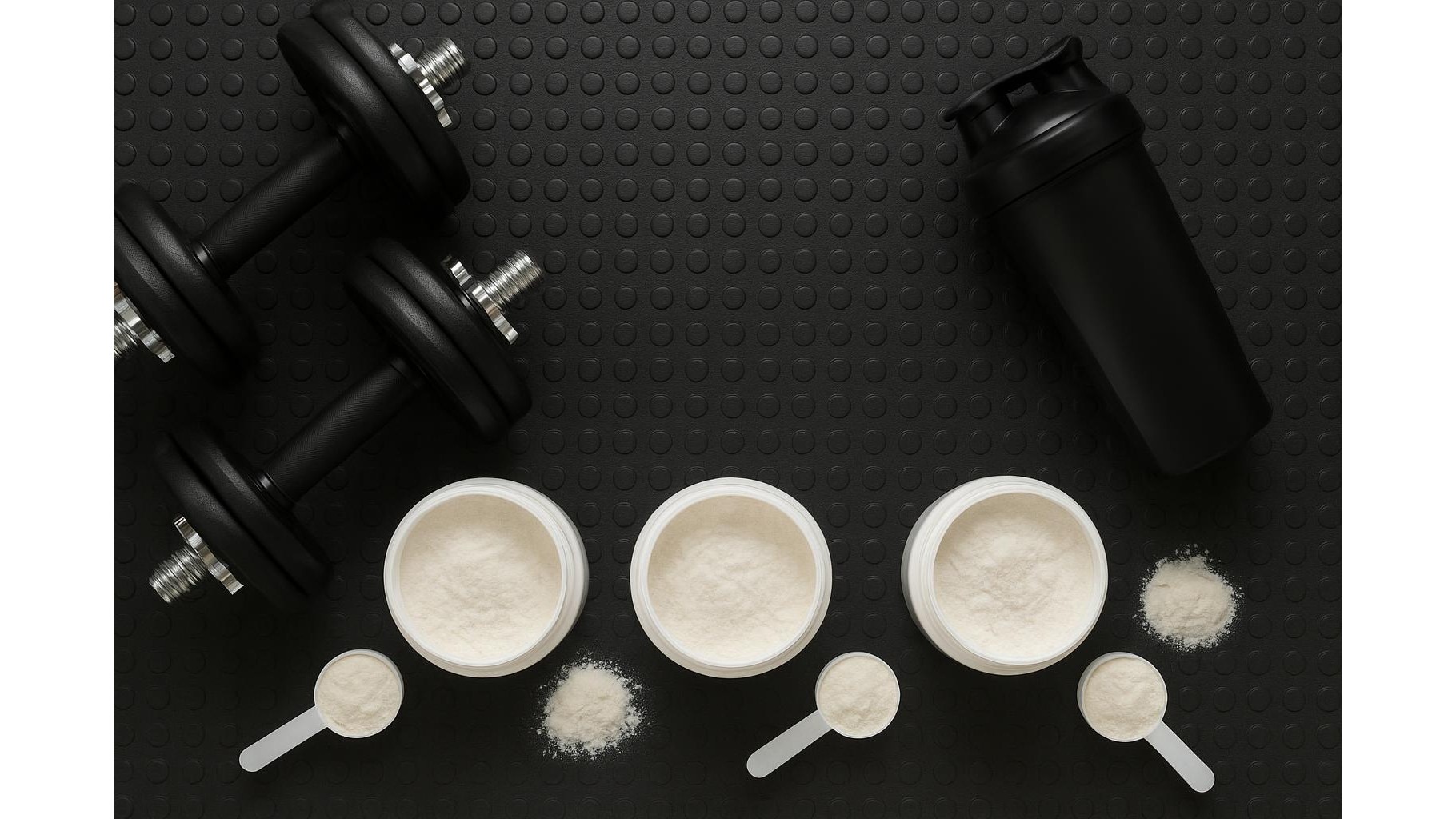
When you train at home, it is tempting to throw every possible supplement into your shaker. Among the most confusing options are carbohydrate powders such as maltodextrin, dextrose and cluster dextrin (highly branched cyclic dextrin). Understanding how fast they digest, when they actually help and who does not need them at all can make your home workouts more effective and your nutrition much simpler.
Fast vs slow carbs: what really matters for home workouts
Carb powders differ mainly in how quickly they leave your stomach and hit your bloodstream. Dextrose is essentially glucose: it is a very fast carb that spikes blood sugar quickly. Maltodextrin is technically a complex carb, but it behaves like a fast sugar because it is broken down rapidly. Cluster dextrin is designed to be a more “slow and steady” carb, giving smoother energy with less stomach heaviness. For short or low‑intensity home sessions (up to about 45–60 minutes), you usually do not need special carb powders at all if you have eaten a normal meal 1–3 hours before training.
When maltodextrin and dextrose make sense
Fast carbs like maltodextrin and dextrose can be useful around high‑intensity or long home workouts where you push hard for more than 60–75 minutes, such as circuit training, heavy strength sessions with many sets, or indoor cycling intervals. Sipping 20–40 g of a fast carb during training can help maintain performance and delay fatigue, especially if you have not eaten much beforehand. However, they are not fat‑burning magic: they add calories, and for people focused on weight loss they are usually unnecessary. If you are a beginner, slightly under‑fueled from a diet and mainly doing 30–40 minutes of resistance bands or dumbbell work, you will get more benefit from consistent meals than from adding a carb drink.
Why athletes pay extra for cluster dextrin
Cluster dextrin (highly branched cyclic dextrin) is marketed as a premium intra‑workout carbohydrate. Its structure gives it low osmolality, which generally means it can empty from the stomach quickly while causing fewer GI issues than simple sugars. Endurance athletes and advanced lifters sometimes prefer it during very long or intense sessions because they can take in 30–60 g per hour with less risk of bloating or sugar crashes. For most people doing home gym workouts, the performance difference versus regular fast carbs is small. You might consider cluster dextrin if you train fasted early in the morning, do back‑to‑back sessions, or often experience stomach discomfort with dextrose or maltodextrin.
Who can safely skip carb powders altogether
A large portion of home trainees can completely skip carb powders. If your sessions last under an hour, you are not a competitive endurance athlete, and your main goal is fat loss or general health, you probably get all the carbs you need from regular food. A balanced pre‑workout meal with some starches (oats, rice, potatoes, bread, fruit) and a source of protein will fuel your training just fine. Drinking a mix of water and electrolytes, or just black coffee before training, is usually enough. Carb powders become more relevant only when you are chasing specific performance outcomes, stacking multiple daily sessions, or struggling to eat enough total calories from solid food.
How to choose the right carb strategy for your home training
Before buying any supplement, look at your training duration, intensity and goals. If your home workout is short and moderate, focus on consistent meals and hydration. If you regularly push beyond 60 minutes or combine strength and cardio, a basic maltodextrin or dextrose drink can be a cheap, simple option to sustain energy. If you are very performance‑driven, sensitive to GI upset and training hard for long periods, cluster dextrin may be worth testing despite the higher price. In all cases, start with small doses (10–20 g), monitor how you feel and adjust by observing your energy, recovery and appetite.
In summary, carb powders like dextrose, maltodextrin and cluster dextrin are tools, not essentials, for home gym training. They can support longer, more intense sessions, especially when timed around your workouts and matched to your digestive comfort. However, many home trainees will get equal or better results by prioritising whole‑food carbs, adequate protein and sleep. Use powders strategically if your sessions demand them; otherwise, keep your routine simple and let your training consistency do the work.









