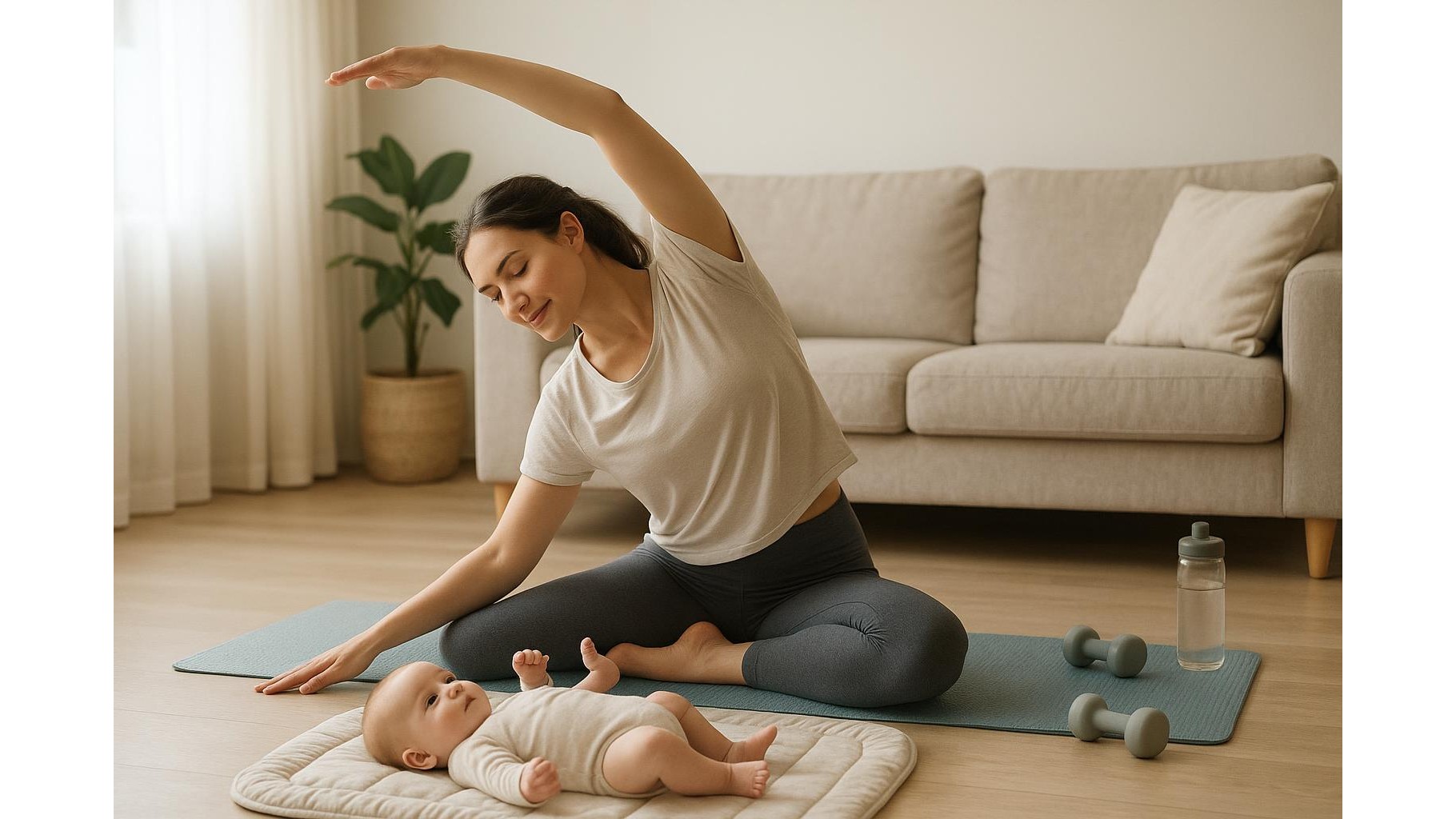
Restarting home strength training after pregnancy is a big and positive step, but it often comes with an unwelcome sidekick: muscle soreness. For new mums juggling feeds, nappies and broken nights, tough DOMS (delayed onset muscle soreness) can feel overwhelming and even a bit worrying. The goal in this phase is not smashing PBs, but supporting recovery, rebuilding strength gently and protecting your healing body. With realistic expectations, smart pacing and a few simple tools, you can manage soreness without compromising postpartum recovery or precious sleep.
Honouring postpartum healing before pushing strength
Before thinking about heavier dumbbells or intense circuits, it’s essential to acknowledge that postpartum recovery is ongoing for months, not weeks. Whether you had a vaginal birth or a C‑section, tissues, ligaments and your core system (including the pelvic floor) are still adapting. Mild, symmetrical muscle soreness in the 24–48 hours after a gentle session is usually normal DOMS; sharp, one‑sided or deep pelvic pain is a red flag to ease off and consult a professional. Start with bodyweight moves, very light bands and short 10–15 minute sessions at home. Prioritise posture, breathing and core engagement over intensity. This mindset shift—”I’m rehabbing, not racing”—is the best foundation for managing soreness safely.
Progressing home strength slowly and listening to DOMS signals
When you return to home strength workouts after pregnancy, the biggest mistake is adding too much, too soon. Follow a gentle progression rule: increase only one variable at a time—either reps, sets, or resistance—and by no more than about 10–15% per week. Mild DOMS that feels like a dull ache and eases as you move is usually fine; severe soreness that makes you limp, wince when lifting your baby, or disrupts sleep means you need a deload week. Alternate strength days with light movement like pram walks or gentle mobility circuits at home. Keep at least one full rest day per week. Remember that hormonal shifts, breastfeeding and disrupted sleep can all amplify soreness, so what felt “easy” pre‑baby may be too much right now. Respecting these signals keeps you consistent—and consistency beats intensity long term.
Using simple tools at home to ease muscle soreness
You don’t need a full physio clinic to manage DOMS at home. A good non‑slip yoga mat and a couple of soft foam blocks can make floor work more comfortable, especially if you’re still tender around the abdomen or pelvis. A basic foam roller or massage ball can help you perform gentle self‑massage on larger muscle groups like glutes, quads and upper back—aim for short, light sessions of 5–10 minutes, never pressing into painful areas around your C‑section scar or pelvic floor. Reusable hot‑cold gel packs are helpful too: cold can calm acute soreness after a tougher session, while gentle heat later in the day can relax tight muscles in the neck, shoulders and lower back from feeding and carrying. Keep the focus on comfort, not “no pain, no gain” pressure.
Protecting sleep, hydration and nutrition to reduce DOMS
For new mums, the way you live between workouts is just as important as the workout itself for managing muscle soreness. Fragmented sleep makes DOMS feel worse and slows recovery, so schedule strength sessions earlier in the day rather than late at night, and keep them short enough that they don’t rev you up before bed. Hydration supports circulation and tissue repair—keep a water bottle near the feeding chair and drink regularly. Aim to include protein at each meal or snack to help rebuild muscles, along with colourful fruit and vegetables for anti‑inflammatory support. Small, realistic habits—like a five‑minute stretch before bed or a warm shower focusing on tight areas—can significantly reduce stiffness without adding stress to your already full plate.
Setting compassionate expectations and measuring the right progress
Returning to strength training after pregnancy is as much an emotional journey as a physical one. Comparing your current performance to your pre‑pregnancy numbers can drive you to push too hard and worsen soreness. Instead, track progress using compassionate markers: less stiffness climbing stairs, easier baby‑carrying, less backache after tidying toys, or being able to get up from the floor without bracing on furniture. Celebrate days when you complete a short, gentle session even if you’re tired. If DOMS occasionally flares, see it as feedback to adjust volume, not as failure. Over time, your body will adapt: soreness will reduce, movements will feel smoother and your confidence will grow—all without sacrificing healing or the energy you need for motherhood.
Managing muscle soreness when restarting home strength training after pregnancy is about balancing ambition with self‑protection. By honouring your postpartum healing, progressing training gradually, using simple home tools, and prioritising sleep, hydration and nutrition, you can keep DOMS in the “manageable feedback” zone rather than the “overwhelming setback” zone. With realistic expectations and self‑kindness, your home workouts can support both your recovery and your long‑term strength, helping you feel more capable, comfortable and at home in your post‑baby body.