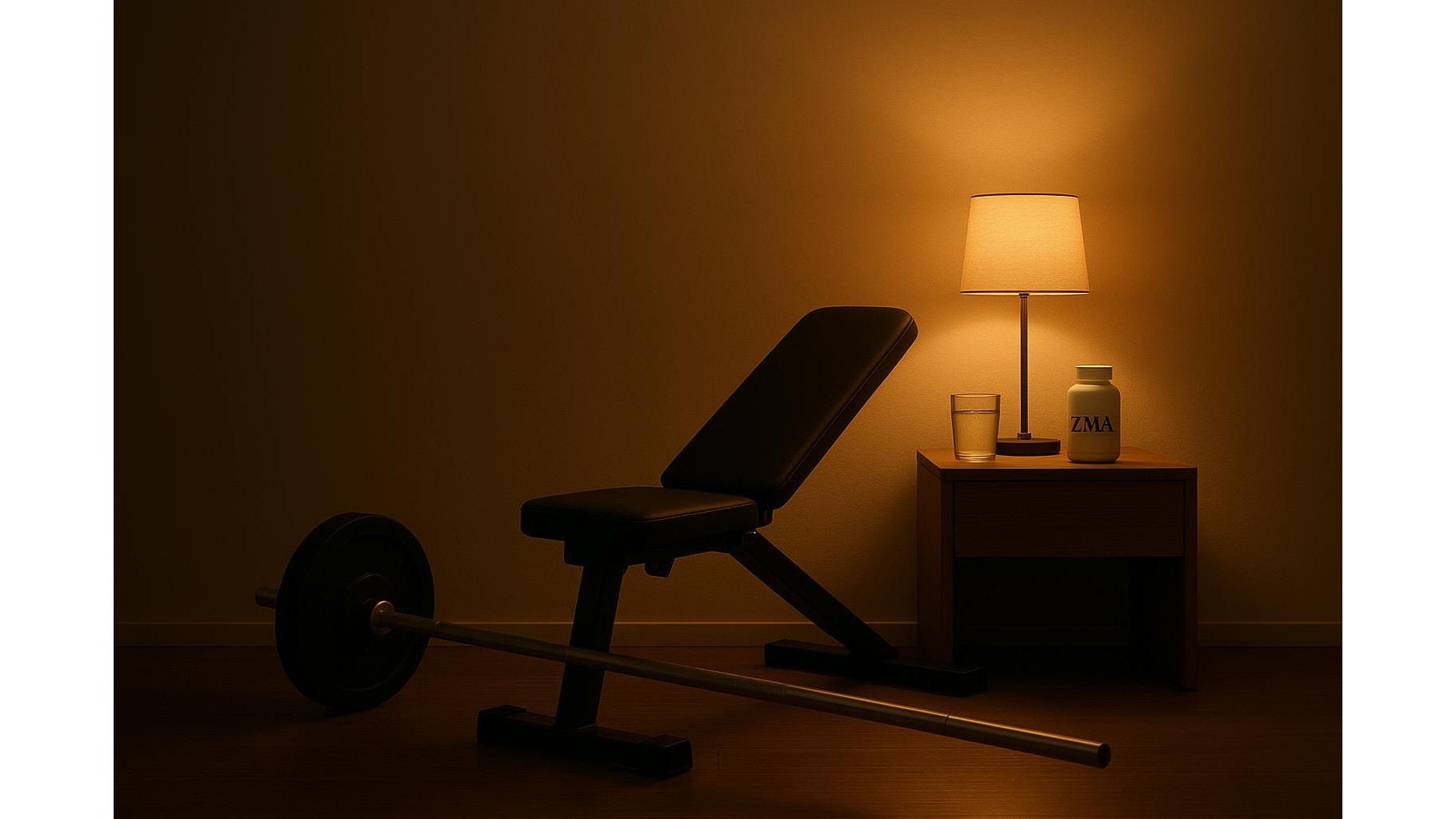
ZMA and other nighttime mineral blends are aggressively marketed to home lifters as an easy way to boost recovery, hormone levels and sleep quality. These formulas usually combine zinc, magnesium and vitamin B6, sometimes with extra sleep‑support compounds like herbs or amino acids. But how strong is the evidence, and who might actually benefit from taking them in a home gym context? This article looks at what research really says about ZMA‑style products, where they can help, and when your money is better spent on basics like diet, sleep hygiene and training programming.
What exactly are ZMA and nighttime mineral blends?
ZMA is a branded combination of zinc monomethionine/aspartate, magnesium aspartate and vitamin B6. Many generic nighttime mineral blends copy this core template, sometimes adding ingredients like melatonin, L‑theanine or herbal extracts. The idea is simple: intense training, even in a home gym, can increase losses of zinc and magnesium through sweat and higher metabolic demand. Both minerals are involved in hundreds of enzymatic reactions, including those tied to muscle function, protein synthesis and nervous system regulation. Taking them before bed is marketed as a way to calm the nervous system and support overnight recovery. In practice, these blends are just a structured way of correcting possible zinc and magnesium deficiencies rather than magic recovery bullets.
Evidence for sleep, hormones and muscle recovery
The strongest rationale for ZMA‑type products is in correcting deficiencies. If you are low in zinc or magnesium, you may experience poor sleep, reduced testosterone, higher fatigue and cramps. In that specific situation, supplementation can clearly improve how you feel and perform. However, research on ZMA in already well‑nourished athletes is not impressive. Most studies show little to no effect on testosterone, strength gains or muscle mass when baseline mineral status is adequate. For sleep, magnesium alone has more supportive data, especially in people with insomnia or high stress, but effects are modest. For the average home lifter eating a balanced diet with sufficient calories, ZMA is unlikely to transform recovery; any benefits are more subtle, like slightly better perceived sleep quality rather than dramatic hormone changes.
Who might benefit most in a home gym setting?
Home athletes who train hard yet have gaps in their diet are the most likely to benefit from a nighttime mineral blend. If you follow a restrictive diet (very low calorie, plant‑based without planning, or heavily processed foods), you may not reach adequate zinc and magnesium intakes. High‑sweat home workouts in hot environments also increase loss of these minerals. In such cases, a ZMA‑style supplement can act as an insurance policy to bring you up to normal levels, which can indirectly help recovery, immune function and sleep. Night‑shift workers and stressed parents training at odd hours sometimes report better sleep continuity when they take magnesium in the evening. The key point: ZMA is most useful as a targeted fix for probable insufficiency, not as a performance enhancer for lifters who already eat a micronutrient‑dense diet.
Who should be cautious or avoid ZMA?
Despite their natural image, ZMA and nighttime mineral blends are not risk‑free. High‑dose zinc taken for long periods can interfere with copper absorption and potentially affect immune and cardiovascular health. People with kidney problems or those taking medications that interact with magnesium (such as certain antibiotics or heart drugs) should speak to a healthcare professional before using these blends. Some formulas include melatonin or sedative herbs that may cause next‑day drowsiness or interact with sleep medications and antidepressants. If you are pregnant, breastfeeding, or managing a chronic health condition, professional advice is essential. Even for healthy home lifters, more is not better: stay within label doses and avoid stacking multiple products that all contain zinc or magnesium.
How to decide if a nighttime mineral blend is worth it
Before buying a ZMA‑type product, home lifters should audit their fundamentals. Are you sleeping 7–9 hours with consistent bed and wake times? Is your diet rich in whole foods that naturally supply zinc (meat, seafood, dairy, legumes) and magnesium (nuts, seeds, whole grains, green vegetables)? If not, fixing those basics will deliver far more benefit than any capsule. If after that you still suspect low intake or experience symptoms like restless sleep, frequent illness or muscle cramps, a moderate‑dose magnesium or ZMA blend can be trialled for a few weeks while monitoring how you feel. Take it 30–60 minutes before bed on an empty or light stomach, and track sleep and performance in a training log so you can honestly judge whether it adds value.
For home lifters, ZMA and similar nighttime mineral blends are best viewed as supportive tools, not miracle solutions. The evidence suggests they can help mainly when they correct a real zinc or magnesium deficiency, with modest knock‑on benefits for sleep quality and recovery. They are not a reliable shortcut to higher testosterone or rapid muscle gain. If you are curious and have your basics in order, a cautious self‑experiment within recommended doses can make sense. But if your nutrition, sleep hygiene and training plan are poor, no nighttime capsule will compensate—your priority should be building those foundations first.