Progressing in small, controlled weight jumps is one of the most effective ways to keep getting stronger in a home gym without beating up your joints. On machines and cable towers, though, weight plates often jump in big 5–10 kg increments. This is where magnetic micro‑loading pins come in: compact, magnetized add‑ons that let you fine‑tune your plate stacks in much smaller, safer steps.
What are magnetic micro-loading pins?
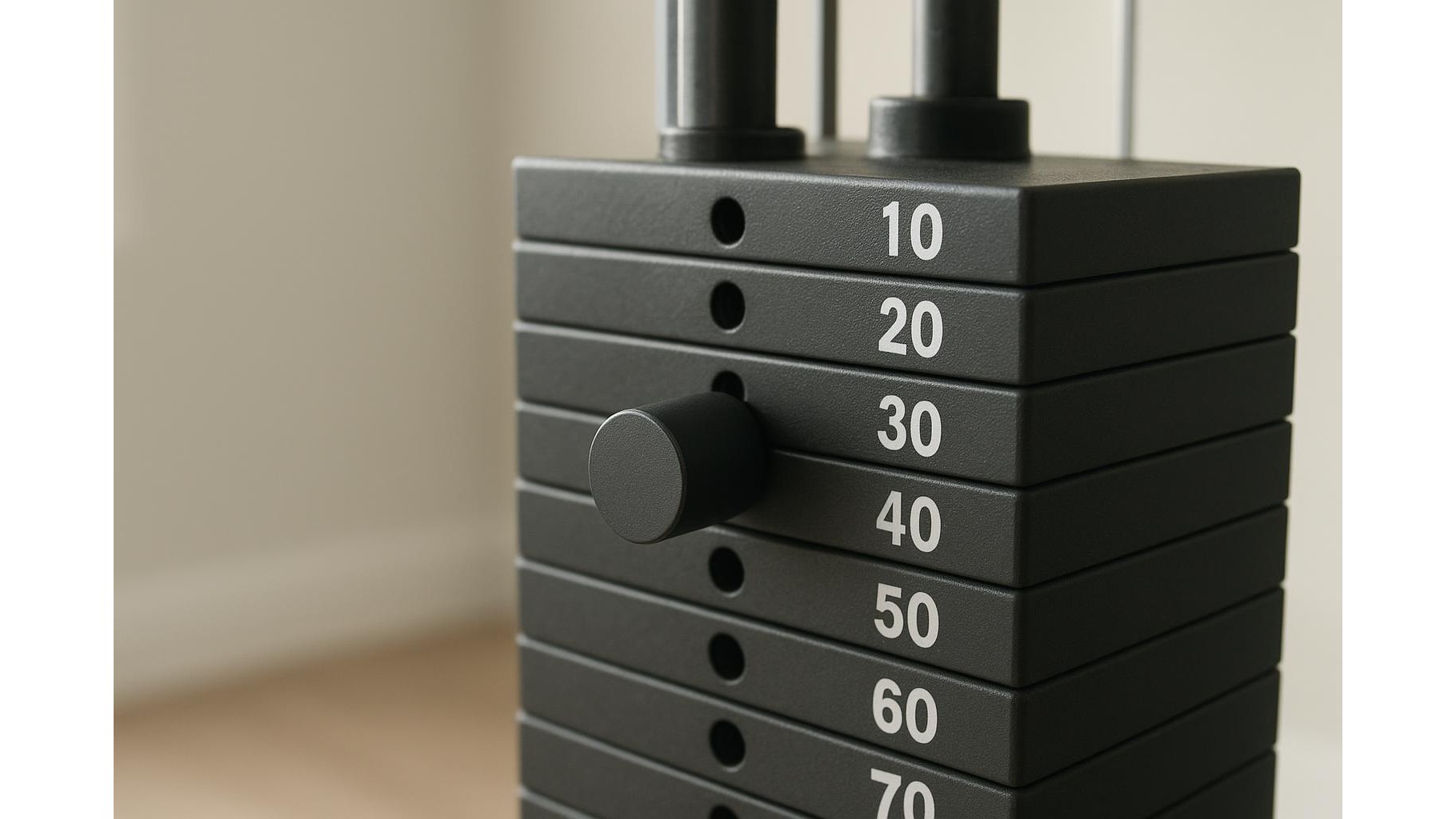
Magnetic micro‑loading pins are small steel cylinders or plates that attach magnetically to the side or face of a selectorized weight stack, cable tower, or machine column. Instead of being inserted into the stack like the normal selector pin, they cling to the metal surface using strong magnets, adding a fixed amount of resistance (for example 0.5–2.5 kg) to your usual working weight. In a home gym where you may have limited plate options, they effectively turn any weight stack into a more granular system, so you can progress in fine increments rather than being forced into big jumps that compromise form or increase injury risk.
Why micro-loading matters for safe progress
On many cable machines and plate stacks, the smallest jump might be 5 kg or more. For isolation work like lateral raises, triceps pushdowns or biceps curls, that leap can be too aggressive, causing technical breakdown or nagging joint pain. Micro‑loading lets you add as little as 0.5–1 kg at a time so your body can adapt gradually. This is especially valuable for intermediate and older lifters, or anyone training around previous injuries. With magnetic micro‑loading pins, you can keep climbing in tiny steps even when you hit a plateau, maintaining progressive overload without overreaching. Over months of training, those small jumps compound into meaningful strength gains while keeping your training more sustainable and joint‑friendly.
How to use magnetic pins on stacks and cable towers
Using magnetic micro‑loading pins is straightforward, but a few habits will keep them safe and effective. First, always attach the pin to a flat, clean metal surface on the weight stack or machine column so the magnets can grip fully; wipe away dust, chalk or oil if needed. Second, position the pin as low as possible on the stack to minimize swinging, especially on dynamic movements like rows or pulldowns. Start with modest loads—adding 0.5–1 kg—to get used to the feel, and check that the pin stays fixed during the first few reps. For cable towers with smaller stacks, distribute additional pins evenly if you use more than one, and avoid placing them in a way that interferes with the travel of the plates or any moving guides. Finally, remove the pins at the end of the set so other users (or future you) don’t unknowingly lift extra weight.
Choosing the right pin weight and build quality
When selecting magnetic micro‑loading pins for your home gym, focus on three aspects: increment size, magnet strength and overall construction. For most lifters, a set that includes 0.5 kg and 1 kg increments is ideal, allowing you to fine‑tune both lighter isolation work and heavier compound moves. Look for products with strong neodymium magnets rated for more than the total weight you intend to hang them on, so they won’t slip mid‑set. A durable, powder‑coated or nickel‑plated steel body will better resist chips and rust in a garage or basement environment. Consider how the pin’s shape will interact with your specific machines: slimmer, longer designs may sit closer to the stack and swing less, while compact puck‑style magnets may work better on flat columns or guide rods. Investing once in higher‑quality micro‑loading pins usually pays off in reliability and safety over years of use.
Best practices for safety and machine compatibility
Although magnetic micro‑loading pins are simple tools, using them thoughtlessly can create avoidable risks. Never exceed the manufacturer’s stated maximum additional load on your machine or cable tower, and remember that the pins add torque as well as pure weight, particularly when they’re mounted off‑center. Test new setups first with low loads and controlled tempo to see how the stack moves with the added mass. Avoid attaching pins to plastic shrouds, decorative covers or thin metal panels not meant to bear load; they should only go on solid steel plates or columns. On older or lightly built selectorized machines, inspect for wobble or misalignment when extra weight is added. If you train with a partner or family members, agree on a habit of clearly checking the stack before each set so nobody is surprised by hidden micro‑loads left on the machine.
Integrating micro-loading into your training plan
To get the most from micro‑loading, build it deliberately into your programming rather than using it randomly. For example, once you can complete all your target reps on a given machine exercise with good form, add a 0.5–1 kg magnetic pin the next session instead of jumping a full stack plate. On movements where you stall frequently—like shoulder isolation or single‑arm cable work—use micro‑increments every week to keep making progress without straining smaller joints. You can also use pins to create smoother deloads: instead of dropping a whole plate, remove only part of the micro‑load to ease fatigue while retaining some intensity. Over time, track both the base stack setting and the added micro‑load in your training log so you can see your true progression. This way, your home gym machines become far more flexible, allowing you to train with the precision usually reserved for commercial facilities.
In summary, magnetic micro‑loading pins are a compact, cost‑effective upgrade that unlocks finer control over your plate stacks, cable towers and selectorized machines. By enabling small, manageable weight jumps, they support safer joint mechanics, smoother progression and more adaptable programming in a home gym setting. Choose sturdy, well‑magnetized pins in practical increments, mount them on solid metal surfaces, and integrate them thoughtfully into your training plan. Used consistently, they help turn limited equipment into a highly precise strength‑building system.