Choosing between a rear-drive elliptical and a front-drive elliptical is one of the most important decisions when building a home gym. The drive position affects the machine’s footprint, how natural the stride feels, noise levels and even long‑term maintenance. If you live in a small flat or you are equipping a dedicated gym room, understanding these differences will help you invest in the elliptical that truly fits your space, body and training style.
How drive layout changes footprint and space
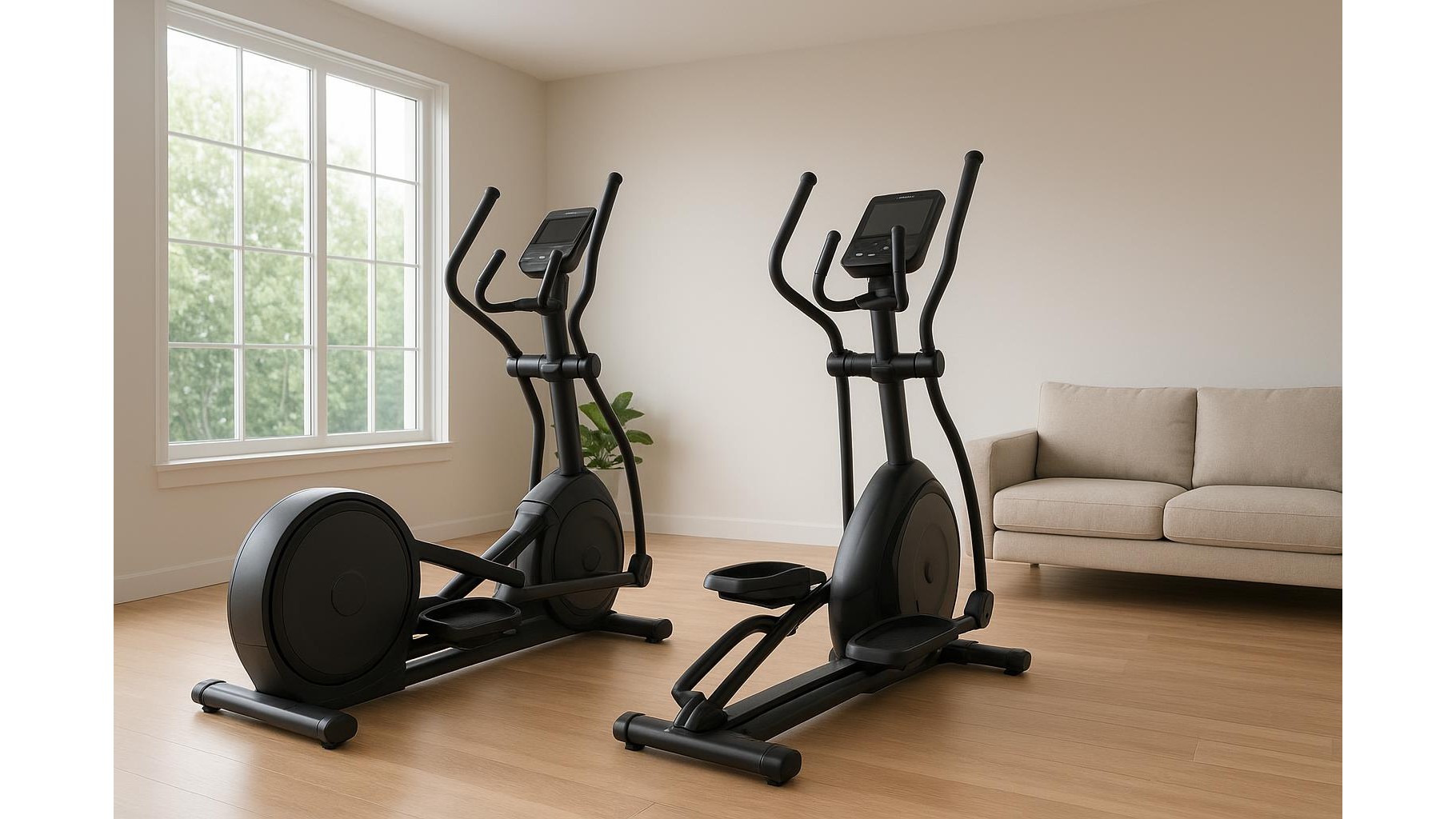
In a rear-drive elliptical, the flywheel sits behind the user, which often creates a longer overall frame but with a more open front section. This can make step‑up easier and give a stable feel, ideal for users who prioritise comfort and balance. Front-drive ellipticals, by placing the flywheel at the front, can shorten the machine’s length, which is helpful in narrow rooms and small apartments. However, they may require a bit more clearance in front for pedal travel. When measuring your home, consider not just floor space but also ceiling height, as both layouts can lift you several centimetres higher than your normal standing height.
Stride feel and body position: what changes for your workout
Rear-drive designs are known for a flatter, more natural stride that mimics walking or jogging, keeping your body more upright. This can reduce stress on the lower back and suit longer endurance sessions. Front-drive models often feel a bit more like a climbing motion, with a slightly steeper ellipse path, engaging glutes and hamstrings more. Many users enjoy this for intense, cardio‑plus‑strength workouts. Whichever you choose, look for adjustable stride length and multiple resistance levels so you can fine‑tune the feel to your height and preferred training style.
Noise, vibration and maintenance at home
Both front-drive and rear-drive ellipticals rely on a combination of moving joints, bearings and rails, so maintenance matters. Rear-drive units tend to tuck most moving parts away at the back, which can reduce dust build‑up in the stride path, while front-drive systems may expose more rails near the floor where dirt can collect. Regular wiping of rails, checking for loose bolts and occasional lubrication of moving parts will keep either layout running smoothly. Noise levels depend more on build quality and drive system than layout alone, but heavier frames and magnetic resistance usually mean quieter operation, an important factor in flats with neighbours below.
Who should choose a rear-drive elliptical
If you prioritise a smooth, low‑impact stride and have a bit more room in your home gym, a rear-drive elliptical is often the better match. Taller users and those with sensitive joints typically appreciate the more elongated motion and upright posture. Rear-drive layouts can also feel slightly more stable for beginners or older users because the centre of mass sits comfortably under the body. In a dedicated fitness room, where length is less of a concern, choosing a rear-drive model with a solid frame, good warranty and cushioned pedals can deliver a very comfortable daily workout platform.
Who should choose a front-drive elliptical
For small apartments, multipurpose rooms or anyone trying to fit an elliptical trainer between furniture, a front-drive design often makes more sense. The shorter footprint helps the machine tuck against a wall, and many models integrate transport wheels so you can roll them out of the way. The slightly more vertical stride can be a plus if you love hill‑style intervals and intense cardio sessions that also challenge your legs. Just remember to check ceiling height clearance, especially if you are tall, and choose a machine with adjustable incline and resistance so you can scale from easy recovery rides to tough interval workouts.
In summary, the choice between a rear-drive elliptical and a front-drive elliptical comes down to your available space, preferred stride feel and training goals. Rear-drive units shine in dedicated home gyms and for users who value a long, natural stride and maximum comfort. Front-drive ellipticals are often the smarter pick for compact homes and high‑intensity, climbing‑style workouts. Take time to measure your room, consider your body size and think about how you like to train: matching the drive layout to these factors will help you create a more effective and enjoyable home cardio setup.