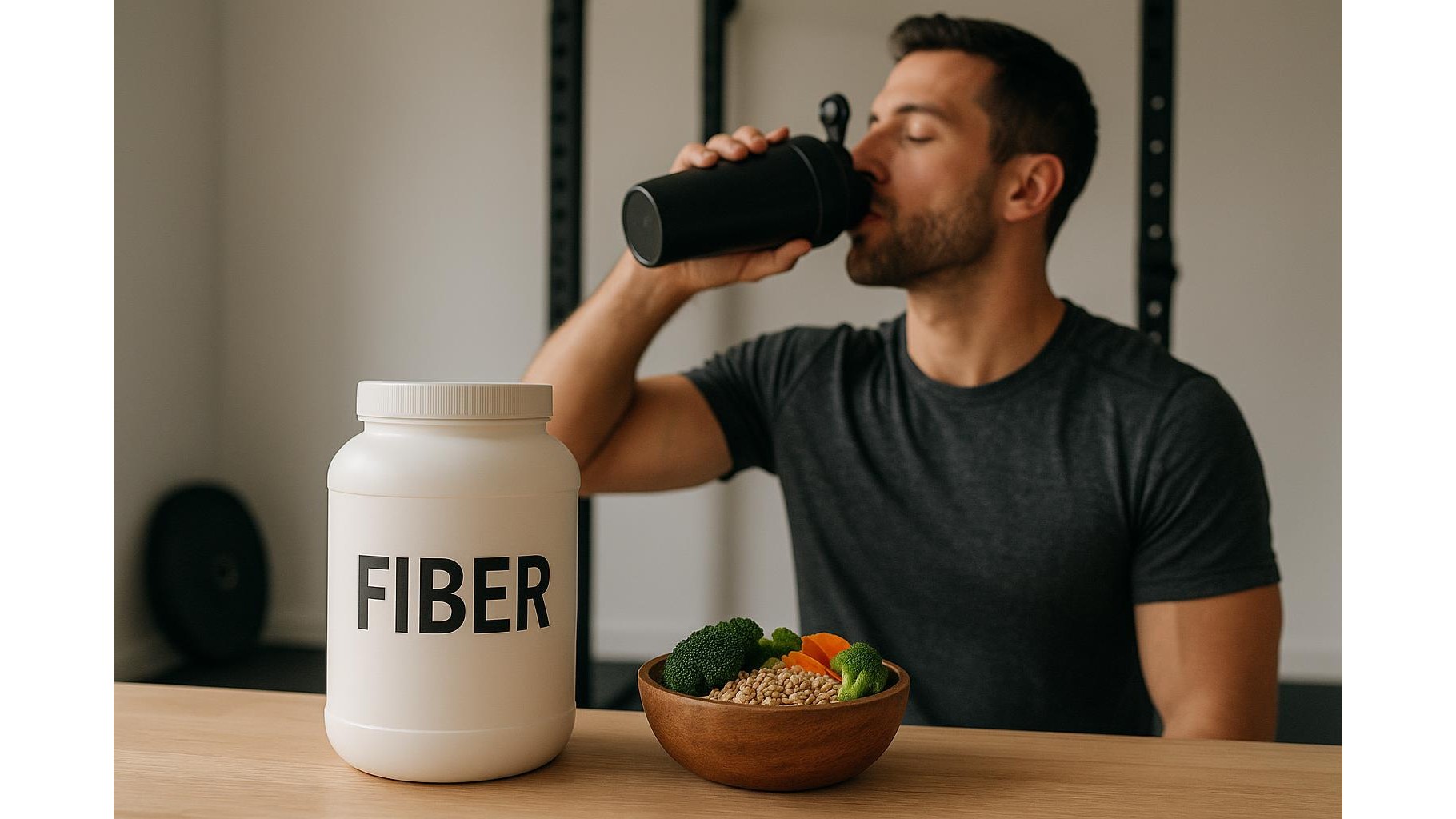
Training mostly at home often goes hand in hand with a high-protein diet to support muscle growth and recovery. Yet when protein goes up, fiber intake often goes down, leading to bloating, constipation and sluggish workouts. Smart use of fiber supplements like inulin, psyllium husk and blended formulas can help keep digestion on track, stabilize energy and make high-protein eating more sustainable for home athletes.
Why high-protein home athletes need fiber support
When you push protein to 1.6–2.2 g per kg of bodyweight, it’s easy to crowd out fruit, vegetables and whole grains. That means less soluble and insoluble fiber, slower gut transit and more digestive discomfort. For home athletes who train in tight time windows before work or between family commitments, feeling heavy or constipated can wreck performance and motivation. Adding a targeted fiber supplement helps restore daily totals to the recommended 25–35 g, improves stool consistency and can reduce the gas sometimes linked to high dairy or whey intake. The key is understanding how different fibers behave so you can match them to your routine and tolerance.
Inulin: prebiotic support for the home athlete’s gut
Inulin is a soluble, fermentable fiber extracted from chicory root and other plants. It acts as a prebiotic, feeding beneficial gut bacteria that produce short-chain fatty acids supporting gut barrier integrity and immunity. For home athletes, this can mean better nutrient absorption and fewer digestive swings when protein intake is high. Inulin dissolves easily in shakes, coffee or yogurt, making it convenient to add around home workouts. However, because it ferments readily, starting with too much can cause gas and bloating. Begin with 2–3 g per day, taken with a meal, and slowly increase to 5–10 g only if you tolerate it well. For some people, especially those with IBS, inulin may be too aggressive, so monitor how your body responds.
Psyllium husk: the go-to for regularity on high-protein diets
Psyllium husk is a gel-forming soluble fiber that absorbs water and increases stool bulk, making it one of the most effective tools against constipation from high-protein, low-fiber eating. It’s particularly helpful if your home diet leans heavily on chicken, eggs and whey with few whole grains. Mixed in water, psyllium forms a thick gel that slows gastric emptying, cushions digestion and can improve satiety—useful if you’re cutting body fat while preserving performance. Typical dosing is 5 g once or twice daily, taken with at least 250–300 ml of water and kept 1–2 hours away from supplements or medications to avoid absorption issues. Start with one small serving per day to assess how your gut reacts and always increase water intake alongside.
Fiber blends: combining inulin, psyllium and more
Many products combine inulin, psyllium and other fibers like oat beta-glucans or acacia gum to provide both prebiotic effects and better stool bulk. For home athletes this can be useful: inulin supports the microbiome, while psyllium smooths transit and helps with regularity. Blends also tend to use lower doses of each single fiber, which may improve tolerance and reduce bloating compared with high doses of one type. Look for formulas that clearly list grams of total fiber per serving, avoid excessive added sweeteners, and offer around 4–8 g of fiber per scoop. These can be stirred into an evening protein shake or a mid-day smoothie so your digestive system is supported across the day, not just at one meal.
How to dose fiber supplements around home workouts
To get the most from fiber supplements for performance, timing and dosage matter. Taking a large fiber dose immediately before a home workout can cause fullness and cramping, especially with high-liquid fibers like psyllium. Instead, spread intake across the day: a small dose of inulin with breakfast, psyllium mid-afternoon, or a blend with your last protein shake. Aim to add 3–5 g of supplemental fiber per day at first, then slowly increase toward 10–15 g if needed, on top of what you get from food. Always pair fiber with plenty of water and monitor your bowel habits, energy levels and how you feel during training. If gas or discomfort spikes, step back the dose, simplify to one type of fiber, and rebuild gradually.
Used intelligently, fiber supplements turn a high-protein, home-based nutrition plan from something that “works on paper” into a routine your gut can handle long term. Whether you lean on inulin for prebiotic support, psyllium husk for reliable regularity, or a moderate-dose fiber blend for all-round coverage, the goal is the same: steady digestion, consistent energy and better performance session after session in your home gym. Start low, adjust based on how you feel and let fiber be the quiet ally behind your strength and conditioning progress.