Training in a home gym packed with TVs, PCs, cardio consoles and smart mirrors can turn every session into a mini lightning storm of static shocks. While those zaps are usually harmless, they are annoying, can distract you from your sets and may add tiny extra stress to sensitive electronics. By choosing the right anti-static workout clothes and caring for them properly, you can cut down static build-up, stay more comfortable and protect your gear at the same time.
Why static is worse in tech-heavy home gyms
Static electricity builds when two surfaces rub together and electrons move from one to the other. In a small, dry room full of electronic equipment, that charge has plenty of metal and circuitry to jump to. Synthetic workout gear, rubber flooring and plastic equipment handles all increase friction, especially during cardio. If you often feel small shocks when you touch your treadmill console, laptop or TV after a set, your clothing is likely contributing. Reducing the amount of pure synthetic fabric in your outfit and improving room humidity are two of the most effective ways to keep static under control during home workouts.
Best fabric blends for anti-static gym tops
When choosing training tops for a home gym full of electronics, focus on blends that mix synthetics with natural fibres. Pure polyester can trap charge, while cotton and modal help it dissipate. Look for labels mentioning polyester–cotton blends, or synthetics combined with viscose, lyocell or bamboo. These fabrics still wick sweat but reduce the snap and crackle you get from 100% polyester. Avoid very cheap shiny tops that feel plasticky: they tend to cling and spark more. A slightly looser fit also helps by reducing constant friction against your skin and against the backrest of weight benches or office chairs if you train near your desk.
Static-smart leggings: fit, finish and fabric
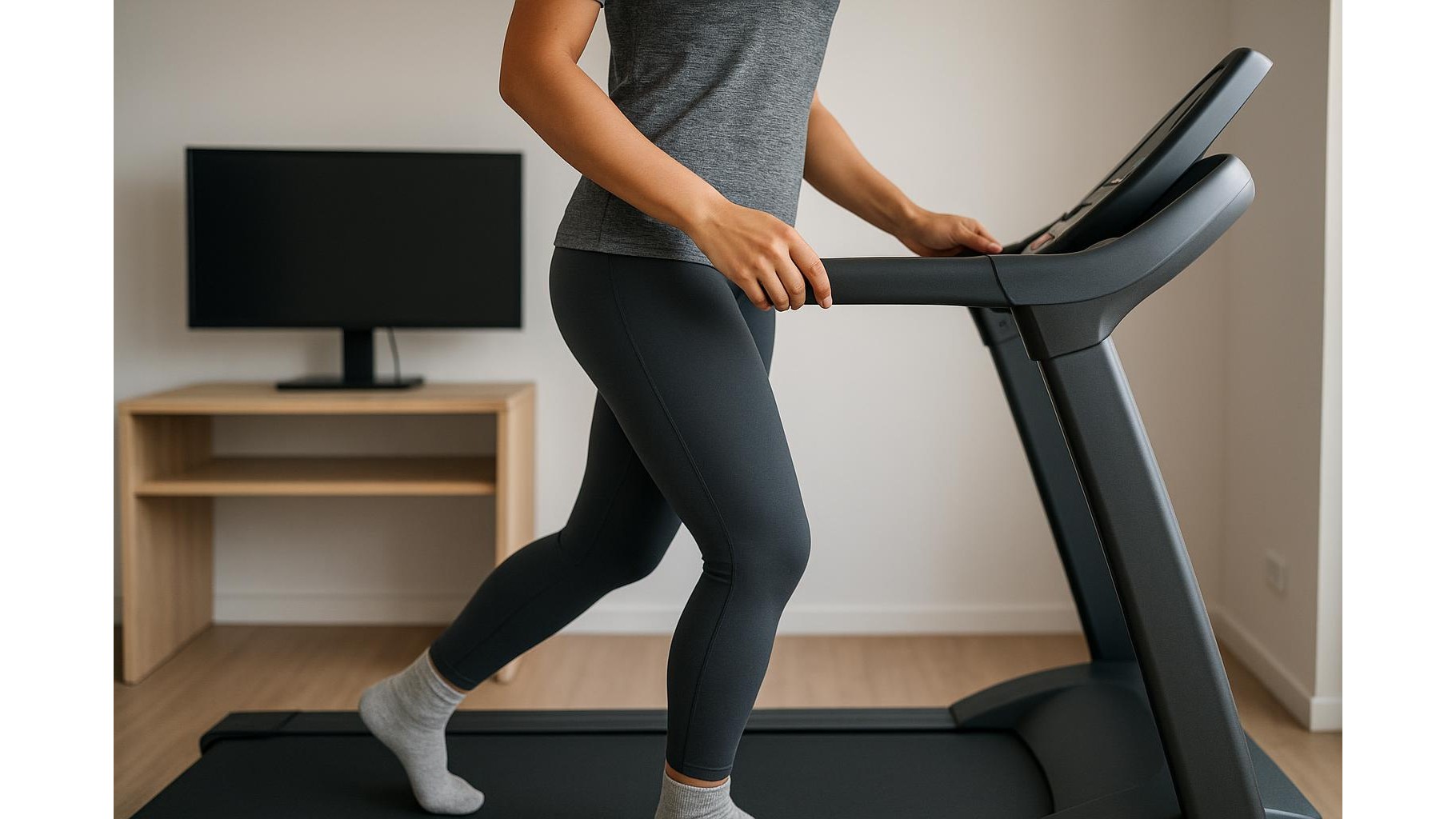
Leggings generate a lot of static because they move with every squat, lunge and step. To reduce this, choose matte, brushed fabrics that feel soft rather than slick, and aim again for blends rather than pure synthetics where possible. High-stretch fabrics that are too tight can increase friction, especially around the thighs and knees, so consider sizing for a supportive but not compressive fit if static is a problem. Details like flatlock seams and smooth waistbands also reduce rubbing. If you train close to your PC tower, power strips or console screens, this can make a noticeable difference to how often you feel small shocks when you touch them between sets.
Socks, floors and the static triangle
Your choice of workout socks matters more than you might think, because feet are where your body meets the floor – and that is central to how charge builds and discharges. On rubber or foam flooring, synthetic socks can trap more electricity, especially in very dry rooms. Cotton-rich or wool-blend socks are usually less prone to static while still keeping your feet comfortable. If you prefer technical socks, look for those that blend nylon with cotton and avoid very thin, slippery styles. Keeping the floor clean and free from dust, and occasionally training in bare feet or cotton socks for low-impact sessions, can also help balance out static build-up around your treadmill, bike or rowing machine.
Laundry habits that reduce static build-up
Even the best anti-static fabrics can become spark-prone if they are washed and dried in ways that encourage charge. Over-drying in a tumble dryer is one of the main culprits, especially for synthetic gym gear. Where possible, air-dry tops, leggings and socks, or stop the dryer while items are still slightly damp and let them finish drying naturally. Avoid using too much detergent, as residue can increase friction and stiffness. Fabric softeners and dryer sheets can reduce static, but some may affect moisture-wicking performance, so use them sparingly and test them on a few items first. Washing synthetic pieces separately from towels and fleece blankets also decreases the rubbing that generates extra charge.
To make your home workouts safer and more comfortable around electronics, focus on a simple formula: choose mixed-fibre tops, soft-finish leggings, cotton-rich socks and static-aware laundry habits. Combined with basic room tweaks like adding a little humidity and grounding equipment properly, these choices can dramatically cut down on annoying zaps, help protect delicate consoles and keep your focus where it belongs – on training harder, not dodging sparks.