
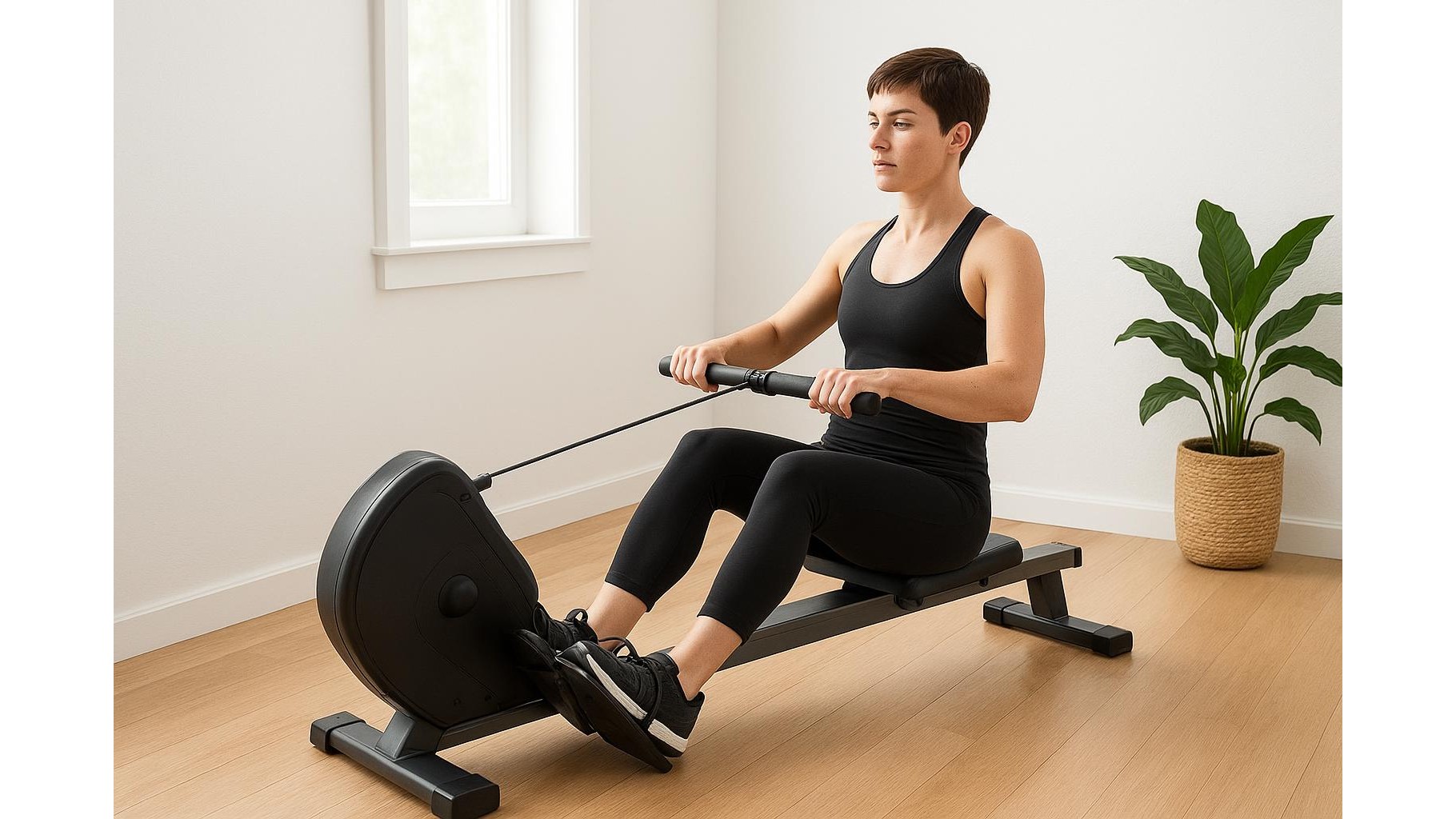
Building a home gym when you are on the shorter side can be tricky, especially with cardio gear. Many rowers are designed around taller bodies, which can leave smaller athletes overreaching, banging knees, or feeling unstable. Choosing a compact rowing machine for short users means focusing on fit first: rail length, handle and seat height, and footplate ergonomics all determine whether your stroke feels smooth or strained. In a tight home space, the right specifications make the difference between an awkward compromise and a rowing setup you will actually use consistently.
Key dimensions that matter for shorter athletes
For smaller users, the first spec to check is the rail length and the manufacturer’s recommended user height or inseam range. On many full-size rowers, short people never reach full compression at the catch, which reduces power and can stress hips and lower back. Look for models that explicitly mention suitability for users from around 150–170 cm, or that highlight support for a shorter inseam. The seat height also counts: a moderately elevated seat makes it easier for lighter, shorter athletes to mount and dismount without dropping too low toward the floor. Finally, consider overall footprint and whether the frame folds vertically; compact frames that still allow a full yet comfortable stroke are ideal in small apartments or bedroom gyms.
Handle, resistance and joint-friendly rowing feel
The handle position and resistance type strongly affect comfort for shorter rowers. A handle that begins too high or too far forward forces shoulders to shrug and arms to overextend. Look for rowers with a low, neutral handle path and a smooth belt or chain return so you can keep elbows close to the body. Magnetic resistance systems are particularly good for home use: they provide quiet, adjustable resistance without sudden spikes that might jar smaller joints. Multiple resistance levels let lighter athletes dial in a setting that feels challenging without having to yank the handle aggressively. An ergonomic, lightly textured handle helps keep the grip secure without needing to squeeze hard, protecting wrists and forearms during longer sessions.
Footplates, straps and stability for smaller feet
Footplate design is a crucial but often overlooked feature for short home athletes. Oversized, non-adjustable plates can cause the foot to slide, forcing you to grip with the toes and stressing the shins. Seek models with adjustable footrests that can move up and down to match your leg length, and with multiple heel positions so you can keep a strong connection even if you have smaller feet. Wide, secure straps are important: they should cinch down easily without wrapping uncomfortably high over the ankle. A low step-over height and a stable, non-wobbling base are also key in compact rooms, where uneven floors or tight corners can magnify any instability when you row at higher cadence.
Space-saving features and noise control in small homes
Shorter athletes often train in small home gyms, so storage and noise matter as much as fit. A compact rower with a folding rail or vertical storage design helps reclaim floor space after workouts. Transport wheels let lighter users move the machine without straining. Magnetic or water-resistance rowers tend to be quieter than basic air rowers, which is a plus in flats with neighbours close by. Look for products advertised as low-noise or designed specifically for apartment use, and check that the maximum user weight comfortably exceeds your own to ensure long-term frame stability. A basic performance monitor that tracks strokes, distance and time is usually sufficient; smaller athletes benefit more from consistency and comfort than from advanced metrics they will rarely use.
Adjustability and safety for comfortable everyday training
Because body proportions vary, even among short athletes, broad adjustability is one of the most valuable features. Seats should glide smoothly without sticking, and the rail should allow you to reach a natural catch position with shins near vertical and heels stable. Check that the resistance dial or buttons are easy to reach from the seat, so you do not have to lean dangerously forward. Rounded edges, covered mechanisms and solid locking points on folding frames help prevent pinched fingers or wobble during use. When all these elements line up—rail length, handle path, foot placement and resistance control—your home rowing machine will feel like it was built for your size, making it far easier to maintain a regular cardio routine and progress safely over time.
Choosing the right rowing machine for short home athletes starts with understanding your own height, inseam and available space, then matching those needs to a compact, adjustable frame. Pay attention to rail length, seat and handle height, and especially to footplate design and resistance smoothness, as these details determine whether your joints feel supported or stressed. In a small home gym, a well-fitted, quiet and easily storable rower will encourage frequent, comfortable workouts, turning limited square metres into a highly effective full-body training zone.









