For home athletes, training hard is only half the story — the other half is how well you recover. One powerful but underused tool is the strategic nap. Done right, short daytime sleep can boost performance, sharpen focus and speed up muscle recovery without sabotaging your night’s rest. Done wrong, it can leave you groggy at 4 p.m. and wide awake at midnight. This guide walks you through science-based power nap strategies tailored to home workouts, so you can use sleep as part of your training plan.
Why home athletes should care about strategic napping
Unlike gym-goers who work around opening hours, home athletes can flex their schedule — which makes planned naps a realistic recovery tool. Research shows that short naps can improve reaction time, mood and perceived exertion, all key for strength sessions, cycling on the turbo trainer or HIIT in your living room. A 10–25 minute nap can reduce sleep pressure just enough to give you a second wind without dropping you into deep sleep. This is crucial: deep sleep in the afternoon is what often causes sleep inertia (that heavy, groggy feeling) and disrupts your nighttime sleep. Think of strategic napping as a micro-dose of recovery that supports your training load, especially when work, family and early alarms cut into your nightly sleep.
How long and when to nap for performance and recovery
For most home athletes, the sweet spot is a 10–20 minute power nap, taken in the early-to-mid afternoon. Under 10 minutes, and you may not get enough restorative benefit; over 25–30 minutes, and you risk entering deep slow-wave sleep, making it harder to wake and more likely to harm your sleep quality at night. Aim to nap roughly 7–9 hours after waking — for a 7 a.m. wake time, that’s between 2 p.m. and 4 p.m. If you train in the late afternoon or early evening, a nap 60–90 minutes before your session can lift alertness and motivation. Keep a consistent window: your brain likes patterns, and a regular nap schedule helps stabilise your circadian rhythm rather than fight it. If you feel you “need” long naps daily just to function, it may be a sign your nighttime sleep or training load needs attention.
Using your environment: light, sound and comfort
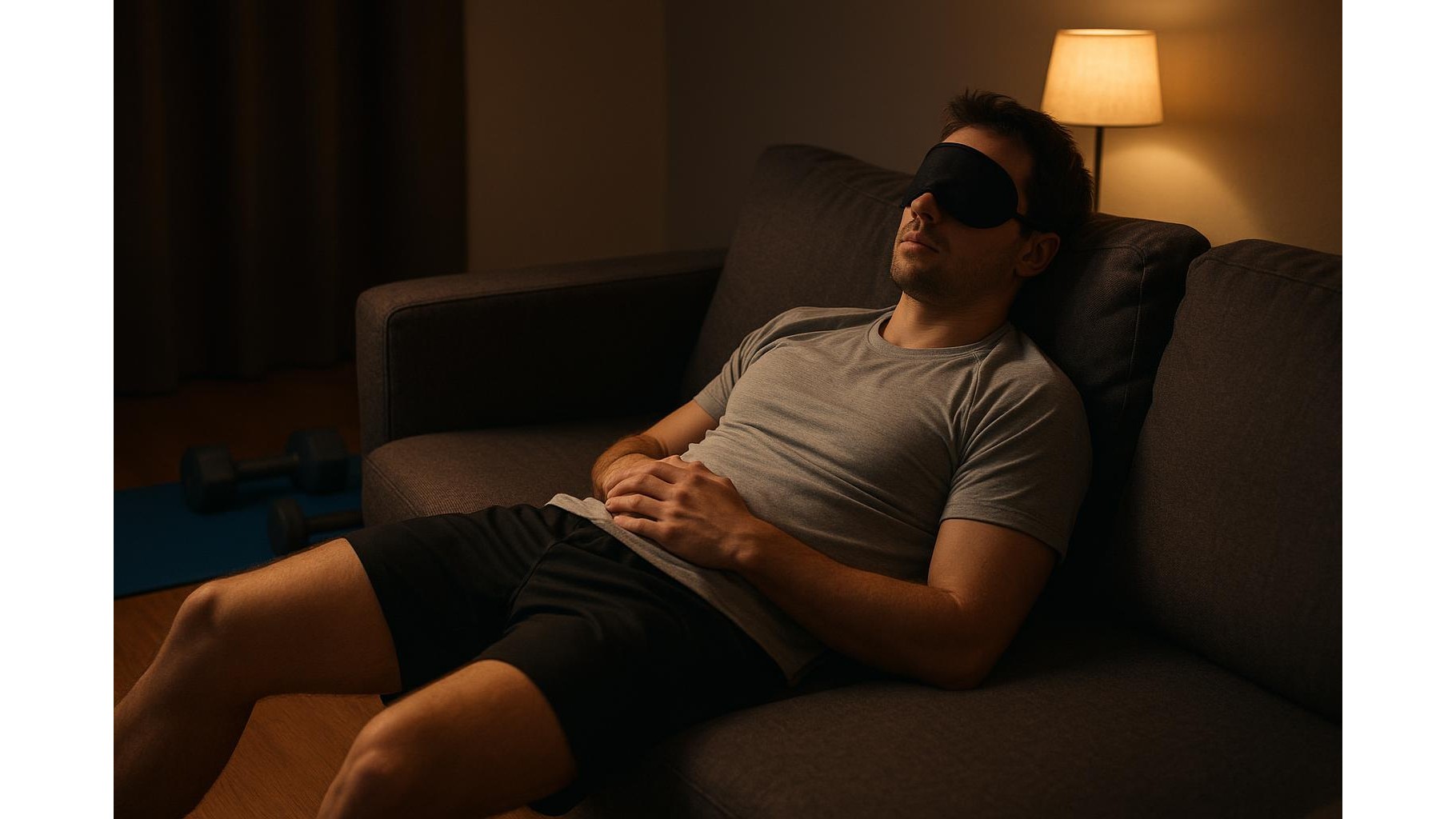
To make short naps effective, treat them like a mini sleep ritual. Darken the room as much as possible and keep the temperature cool but comfortable to encourage your body to drop into light sleep quickly. A simple eye mask and a soft blanket can be enough to tell your brain it’s time to switch off. Because you have limited minutes, cut down on background noise that might fragment your nap; many home athletes use white noise or a quiet fan to create a steady sound backdrop. Keep your phone on silent and set a gentle alarm for 20 minutes so you’re not clock-watching. Over time, repeating this routine at the same time of day trains a fast “nap onset” — you’ll fall asleep more quickly and wake feeling refreshed rather than disoriented.
The caffeine nap: when and how to use it
The caffeine nap is a favourite performance hack among endurance and strength athletes, and it can work brilliantly at home. The idea is simple: drink a small coffee or tea (around 80–120 mg of caffeine) and then immediately lie down for a 15–20 minute nap. Caffeine takes about 20–30 minutes to peak in your system, so it starts to kick in just as you wake up, doubling the alertness boost. This combo can be especially useful before an intense afternoon workout or a long indoor cycling session. However, timing is critical: avoid caffeine naps within 8 hours of bedtime, or you may trade a short-term energy lift for a longer-term hit to your sleep quality. If you’re sensitive to caffeine, try a smaller dose or reserve caffeine naps for days when performance really matters, such as heavy lift days or key cardio sessions.
When you should skip the nap to protect night sleep
Strategic napping is powerful, but it is not mandatory, and there are times you should consciously skip the nap. If you already struggle with insomnia, frequent night waking or very delayed bedtimes, even short naps can reduce your sleep drive and keep you up. Avoid napping after 4–5 p.m., especially if your usual bedtime is before 11 p.m. Also be cautious on rest days: if you’ve drastically reduced training load, a nap may further delay your sleepiness at night. Use your overall pattern as a guide: if naps leave you feeling alert, training better and still sleeping at least 7 hours with minimal tossing and turning, they’re working. If they create a cycle of being wired at night and exhausted by mid-afternoon, pull back the nap duration, move it earlier, or remove it for a week while you focus on consistent sleep hygiene and recovery.
For home athletes, strategic napping can be the missing link between hard training and consistent progress. Short, well-timed naps support recovery, performance and mood without wrecking your night — if you respect duration, timing and your own sleep tendencies. Treat naps as a deliberate training tool, not a random crash on the sofa. Pay attention to how different nap lengths affect your evening sleep, and adjust accordingly. With a bit of experimentation, you can build a recovery routine where short daytime sleeps, solid nighttime rest and smart training all work together instead of competing.