
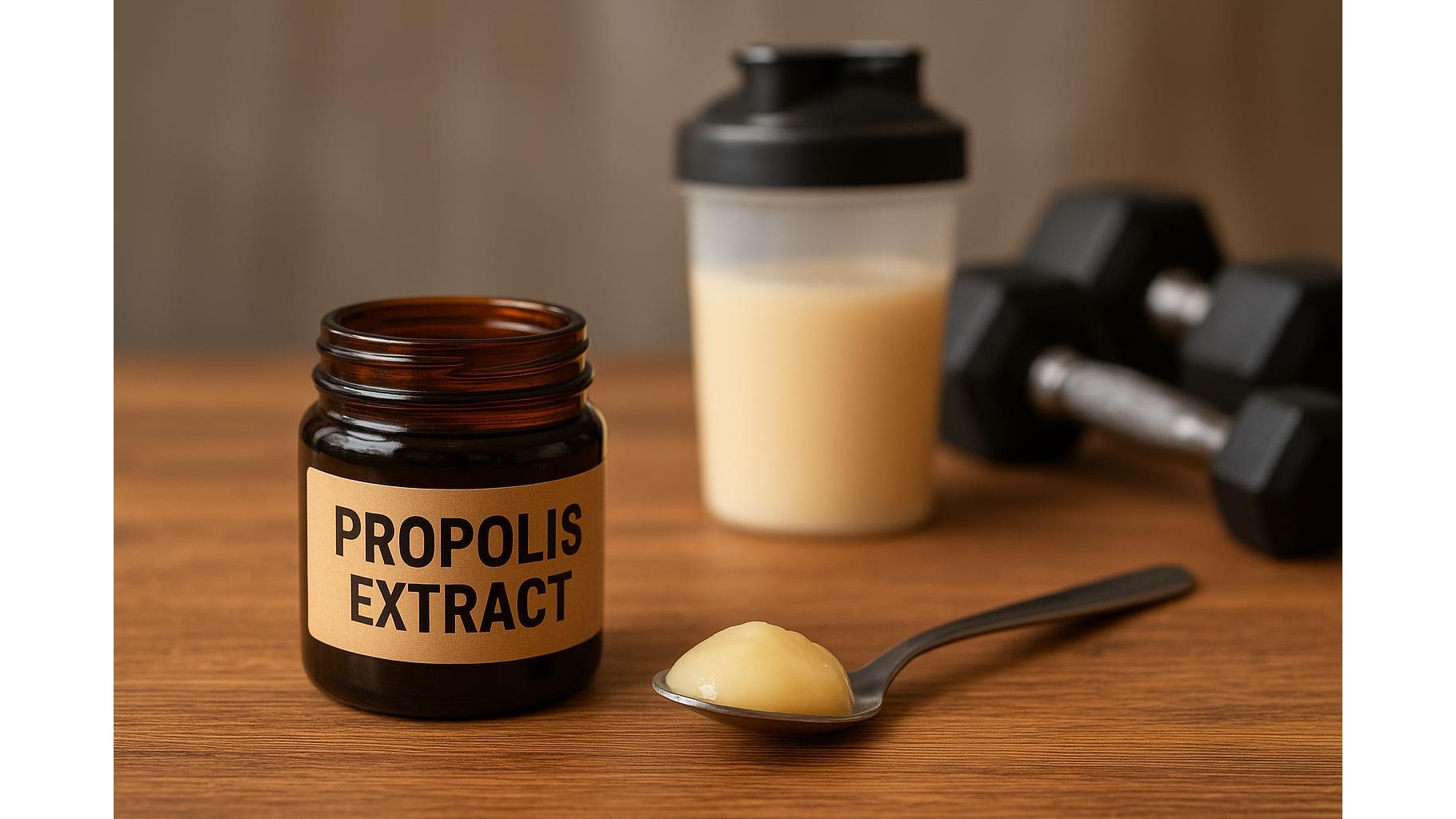
Training at home puts steady demands on your body, and many people look to natural supplements for an extra edge. Among the most popular options are bee-derived products like propolis and royal jelly, both marketed for immune support, energy and recovery. But how much of this is marketing, and how much is backed by actual evidence? This article looks at what the research says, how these products might fit into a home athlete’s routine, and which safety points you should consider before adding them to your stack.
What are propolis and royal jelly?
Propolis is a resin-like substance that bees make from plant material and wax, used to seal and protect the hive. It contains a mix of flavonoids, phenolic acids and other compounds with potential antioxidant and antimicrobial effects. Royal jelly is a creamy secretion that worker bees feed to the queen, rich in proteins, B vitamins and unique fatty acids such as 10-HDA. For home athletes, the appeal is clear: propolis is marketed as a natural “shield” for the immune system, while royal jelly is often sold as a tonic for vitality, fatigue reduction and stress resilience. Both usually come in capsules, liquids or chewable forms, making them easy to integrate into a daily routine.
Do bee products really support immunity and recovery?
Laboratory and animal studies suggest that propolis has anti-inflammatory, antiviral and antibacterial properties, and some small human trials report benefits for upper respiratory health. For someone training at home, this could theoretically help reduce minor infections that interrupt your programme. Royal jelly shows potential immunomodulatory and anti-fatigue effects in preliminary research, with some data indicating better oxidative stress markers and mood. However, most evidence is early-stage, with modest sample sizes and varying dosages. These products should be viewed as supportive extras, not as primary tools for performance or illness prevention. Your core defences remain consistent sleep, nutrition, training structure and stress management.
Dosage ranges and how to use them safely
Because there is no single standard dose, most guidelines are based on typical supplement ranges. For propolis, common oral doses fall roughly between 300–600 mg per day of extract, often split into one or two servings. For royal jelly, supplemental amounts frequently range from 300–1000 mg daily, though some products provide more. When starting, it is wise to begin at the lower end of the label’s recommended dose to assess tolerance. Take note that consistency matters more than very high dosing: if these products are going to help with immune support or recovery, the effect is likely to be gradual. Always check for third-party testing where possible and read labels carefully for added sugars or allergens.
Side effects, interactions and who should avoid them
The main concern with both propolis and royal jelly is the risk of allergic reactions, especially in people with existing bee, pollen or honey allergies. Reactions can range from mild skin irritation and digestive upset to serious respiratory symptoms. Royal jelly in particular has been associated with rare but severe allergic responses in susceptible individuals. There may also be interactions with medications that affect blood clotting or immune function. Pregnant or breastfeeding women, people with asthma, autoimmune conditions or those taking multiple medications should speak with a healthcare professional before using these supplements. If you notice rash, wheezing, swelling, or unusual fatigue after taking a bee product, discontinue it immediately and seek medical advice.
Practical tips for home athletes considering bee products
If you train at home and are curious about propolis or royal jelly, start by clarifying your goal: is it immune resilience during heavy training phases, general energy, or support for recovery? Next, make sure your basics are in place: a structured programme, adequate calories and protein, hydration and at least 7 hours of sleep. Bee products, if used, should layer on top of these fundamentals. Introduce only one new supplement at a time, at a modest dose, and keep a simple training and wellbeing log to see whether you experience changes in soreness, perceived energy or frequency of minor illnesses. Remember that even “natural” products can be potent, so treat them with the same respect you would give to more conventional performance aids.
For home athletes, propolis and royal jelly can be interesting options with some emerging evidence for immune support, antioxidant protection and possibly fatigue management. However, the science is not strong enough to justify bold performance claims, and potential allergic reactions mean they are not suitable for everyone. Approach these bee products as complementary, not central, elements of your routine, prioritising training, nutrition and sleep above any supplement. If you choose to use them, do so cautiously, monitor your response and consult a health professional if you have underlying conditions or take regular medication. Respecting these limits will help you decide whether bee-derived supplements truly earn a place in your home gym strategy.









