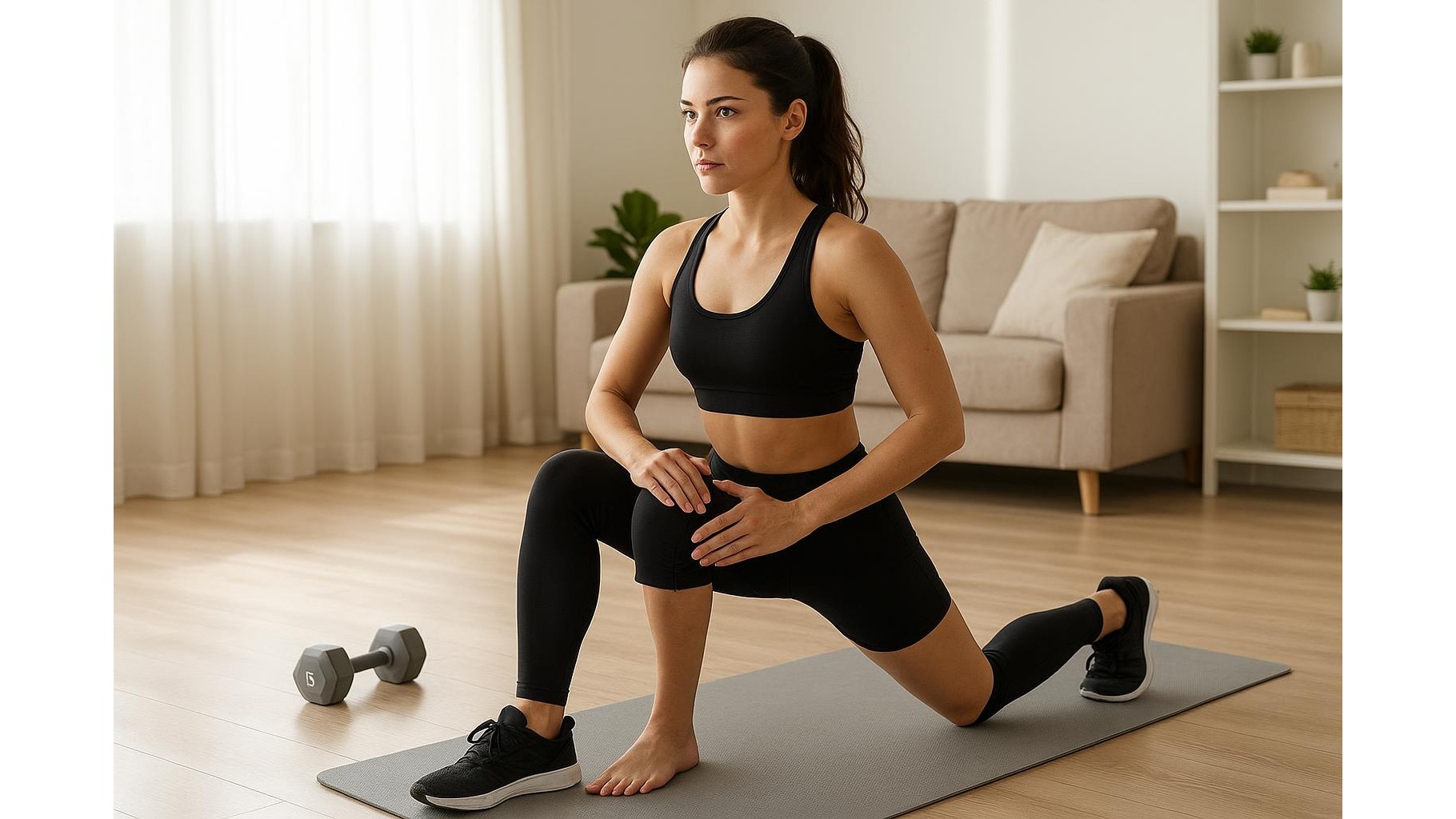
Convertible leggings-to-shorts are a smart solution if you train at home and want just one garment that works for warm-ups, intense intervals and post-workout lounging. By zipping or rolling off the lower leg section, you can go from full-length leggings to breathable shorts in seconds. This guide explains who they suit, which fabrics and details to look for, and how to avoid rolling, sagging or chafing when you switch modes.
Who convertible leggings-to-shorts really suit
These hybrid pieces are ideal if your home workouts move between low- and high-intensity phases, or if you combine training with working from home. They especially suit people who feel chilly during warm-up but easily overheat once the session gets going. If you have a more muscular lower body, look for a cut with plenty of spandex or elastane and a high-rise waistband so the leggings don’t dig in when you bend. Those with slimmer legs may prefer a slightly compressive fit to avoid bagging fabric around the knees and calves. For lounging, a soft brushed interior adds comfort when you switch to shorts and add socks or slippers.
Key fabrics, waistbands and construction details
The best convertible leggings-to-shorts use moisture-wicking, quick-drying fabrics like polyester–elastane or nylon–elastane blends. These materials stretch in four directions, so the fit stays consistent whether you are squatting, lunging or sitting cross-legged on the sofa. Look for a wide, high-waisted band with a double layer of fabric and minimal seam stacking to reduce pressure on the abdomen during core work. Flatlock or bonded seams are worth paying attention to, because they help prevent rubbing along the inner thigh and behind the knees. If you train frequently, choose a slightly denser fabric that resists pilling on mats and against benches.
Managing zips, seams and the switch from leggings to shorts
The main difference between regular leggings and convertible designs is the zip-off or detach mechanism. Side or mid-calf zips should be smooth, low profile and ideally backed with a soft fabric flap to keep metal teeth away from your skin. Check that the zip pull locks in place so it doesn’t rattle during jumping jacks or treadmill runs. When you remove the lower legs, test how the edge of the newly formed shorts sits on your thighs: the hem should be snug but not tight, with no digging in when you step or climb stairs. Practice switching modes a few times so you can change quickly between sets without breaking your training flow.
How to avoid chafing, rolling and fit issues
To minimise chafing and rolling, start with accurate sizing: measure your waist, hips and inseam and compare with the brand’s chart, rather than guessing. If you are between sizes, choose the larger one if you mainly use them for lounging and low-impact work, or the smaller one if you want more compression support for HIIT. Opt for designs with flatlock seams on the inner leg and crotch, and avoid bulky decorative stitching around the knees where the detachable section joins. During intense sessions, a light anti-chafe balm along your inner thighs and behind the knees can help. Finally, make sure the waistband has internal elastic or a hidden drawcord so it stays put when you unzip the lower part and start moving in shorts mode.
Styling and using convertible leggings at home
For everyday home wear, treat your convertible leggings as a versatile base layer. In leggings mode, pair them with an oversized hoodie or longline tee for warmups and desk time. When you are ready for a sweatier circuit, switch to shorts mode and swap into a breathable tank or sports bra. Dark, solid colours hide sweat and are easy to combine with the rest of your home gym equipment, while subtle patterns can camouflage seams and zips. If you share your home space, the quick transformation also makes it easier to go from a workout to a video call: simply reattach the lower legs, throw on a fresh top and you are presentable in minutes.
Convertible leggings-to-shorts can simplify your home workout wardrobe by combining coverage, ventilation and comfort in one piece. By choosing technical, stretchy fabrics, low-profile zips and secure waistbands, you minimise the risk of chafing, rolling or sagging when you switch modes. Whether you are lifting, stretching or lounging on the sofa after a session, the right pair will adapt to your routine instead of forcing you to change outfits mid-workout.