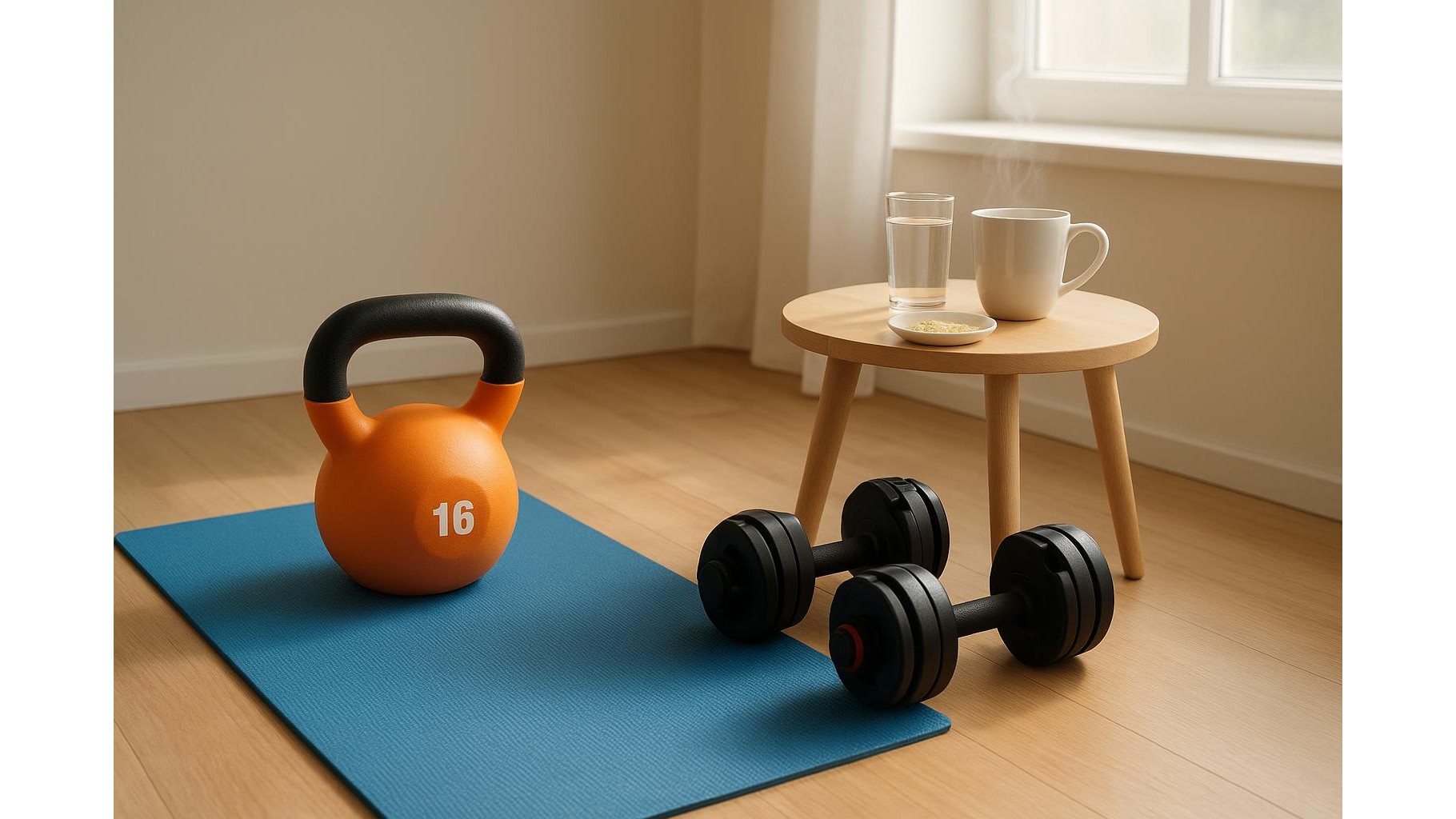
Building an effective pre-workout routine at home does not have to involve complex tubs of powders or long ingredient lists. For most home gym athletes, dialing in food, hydration, caffeine timing and a short, focused warm-up can deliver all the performance benefits you realistically need. This article takes an evidence-based look at how to structure a simple, electrolyte-free pre-workout session using everyday items like coffee and water instead of multi-ingredient supplement stacks.
Why a simple pre-workout beats complex supplement stacks
Most commercial pre-workout supplements are built around three core ideas: energy (usually from caffeine), blood flow (pump ingredients) and focus (nootropics). Research consistently shows that caffeine alone is responsible for a large share of the measurable performance benefit in terms of strength, power and reduced perceived exertion. When you are training in a home gym, your priority is consistency, not chasing marginal gains. A minimalist routine based on hydration, a light carbohydrate intake and well-timed coffee will support performance while avoiding the crash, jitters and expense that can come with high-stim blends and unnecessary electrolytes for short, moderate sessions.
Hydration over hype: how much and when to drink
For home workouts under an hour, starting properly hydrated often matters more than sipping on colourful electrolyte drinks. Evidence suggests that even mild dehydration can reduce power output and increase fatigue. A practical approach is to drink around 300–500 ml of plain water in the 1–2 hours before training, then another 150–250 ml in the final 15–20 minutes if you feel thirsty. During the session, small sips are usually enough unless you are training in high heat or for prolonged periods. This strategy keeps your stomach comfortable, avoids the heavy sloshing feeling and eliminates the need for pre-mixed electrolyte formulas for typical home strength or HIIT workouts.
Timing your coffee: using caffeine as your only “pre”
Caffeine is one of the most studied and effective ergogenic aids. A simple cup of coffee can improve alertness, reaction time and perceived effort in both strength and endurance work. Most studies place optimal intake around 30–60 minutes before training so that blood caffeine peaks as you start your main sets. Aim for roughly 3 mg of caffeine per kg of bodyweight as an upper guideline, but many lifters feel clear benefits at much lower doses, such as a single espresso or small mug. Because coffee is easy to prepare at home, you can adjust the strength to find your sweet spot and avoid the overstimulation, tingling and insomnia that can occur with heavy pre-workout powders taken late in the day.
Fueling with food: carbs, light protein and digestion
A well-timed, balanced pre-workout meal can outperform fancy powders for most home gym sessions. Emphasise easily digestible carbohydrates to support energy, with a modest amount of protein for muscle maintenance. Examples include oats with yogurt, toast with eggs or a banana with a small protein serving. The key is timing: a larger meal 2–3 hours before training, or a smaller snack 45–60 minutes out. This allows digestion to progress so you do not feel heavy or bloated when you start lifting. By matching your meal size to the time available, you maintain stable blood sugar and can focus on your sets instead of worrying about fitting in another supplement drink.
Warm-up, routine and consistency in the home gym
Even the best pre-workout coffee will not fix a poor warm-up or inconsistent training plan. A simple, repeatable pre-session ritual helps your brain associate certain actions with performance. After hydrating and drinking your coffee, spend 5–10 minutes on light mobility and activation: bodyweight squats, band pull-aparts, easy push-ups and a couple of ramp-up sets with the barbell. This raises core temperature, improves joint readiness and mentally transitions you from work or family mode into training mode. Over time, the combination of predictable nutrition, caffeine and warm-up will feel more powerful than chasing new pre-workout formulas, because it removes friction and makes it easier to show up and train hard.
In summary, a smart electrolyte-free pre-workout routine at home focuses on fundamentals: start hydrated, use a moderate, well-timed dose of caffeine from coffee, fuel with simple, digestible carbs and protein, and move through a short, focused warm-up. For most home gym athletes, this approach is cheaper, more sustainable and just as effective as multi-ingredient pre-workout stacks. Rather than relying on marketing promises, build a routine you can repeat every week and let consistency, not supplements, drive your progress.