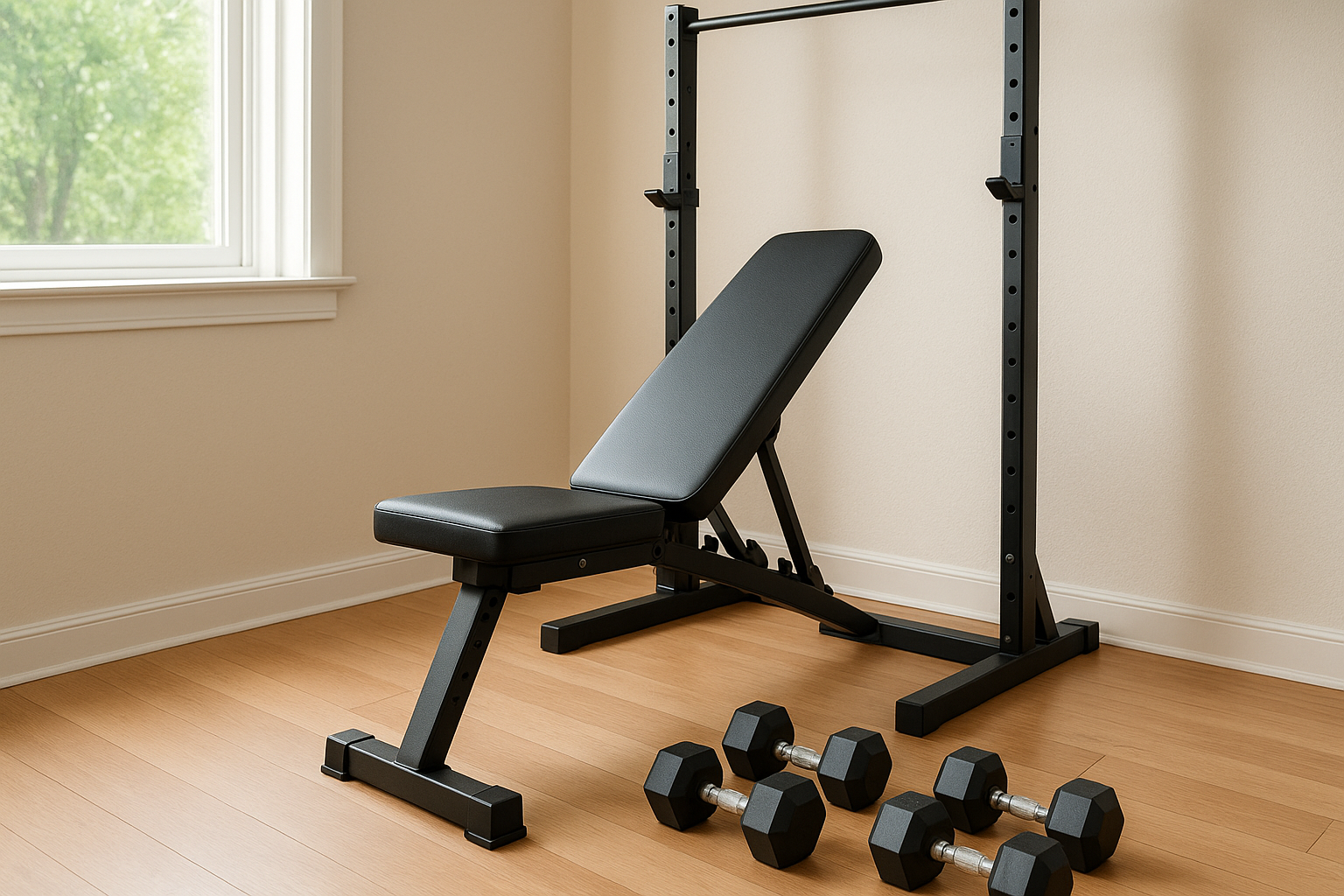
Designing an effective home gym often starts with one cornerstone piece of equipment: a multifunctional adjustable bench. A well-chosen bench lets you train the whole body in flat, incline and decline positions, support barbell and dumbbell work, and integrate seamlessly with racks and other accessories. This guide walks you through what really matters when selecting a bench that is sturdy, safe and versatile enough to become the core of your training space.
Defining your training goals and use cases
Before you look at specifications, clarify how you plan to use your adjustable weight bench. If your focus is heavy barbell pressing, you need maximum stability and a high load capacity. If you prefer dumbbell work, bodyweight exercises and core training, versatility and fast adjustments may matter more than extreme capacity. Think about exercises like flat bench press, incline press, decline press, seated shoulder press, step-ups and hip thrusts. The more varied your routine, the more you should prioritise a bench that covers multiple angles, includes a decline option and offers a comfortable yet firm surface for both strength and core work.
Load capacity, stability and frame construction
For a bench that truly sits at the centre of your home gym, load rating and stability are non-negotiable. Look for a bench with a combined user and weight capacity of at least 250–300 kg if you plan to progress your pressing strength. A heavy-duty steel frame, wide rear base and non-slip feet greatly improve stability during heavy lifts and reduce wobble in incline and decline positions. While manufacturer ratings are often conservative, do not buy a bench where your current bodyweight plus working weights exceed two-thirds of the stated capacity. A solid, slightly heavier bench is usually better than an ultra-light, highly portable one if you want a safe platform for progressive overload.
Adjustment range: flat, incline and decline positions
The defining feature of a multifunctional adjustable bench is its range of backrest and seat angles. Aim for a bench that offers multiple incline positions (for example 30°, 45°, 60°) plus a true flat setting and at least one decline option for presses and sit-ups. A seat that also adjusts helps you lock in a strong position for overhead presses and steeper inclines, preventing you from sliding. Check that the ladder or pin adjustment system is easy to use, secure under load and quick to change between sets. Angles should be clearly defined and free from excessive play so that your movement pattern stays consistent from workout to workout.
Footprint, storage and comfort in a home environment
In a home gym, space is precious, so consider the footprint of the bench in both training and storage positions. A typical full-size bench is around 120–135 cm long; ensure it fits your training area with room to move around safely. If you train in a small room or shared space, a bench that folds or stands vertically against a wall can be a major advantage. At the same time, do not sacrifice comfort: look for high-density foam padding that is firm enough for heavy presses yet comfortable for longer sessions. The pad width should support your upper back and shoulders without restricting arm path, and the upholstery should be easy to clean and resistant to sweat and abrasion.
Compatibility with racks and other home gym equipment
To make your bench the true hub of your setup, check its compatibility with existing or future equipment. Standard bench height (typically around 42–46 cm from floor to pad) works best with most squat racks, half racks and power cages for flat and incline barbell pressing. Ensure the bench can slide freely between the uprights of your rack and that its length does not interfere with safety bars or spotter arms. If you use adjustable dumbbells, kettlebells or resistance bands, a stable bench with open space around the feet makes it easier to position weights safely. Consider whether you might later add attachments like leg curl/extension or preacher curl modules and choose a bench design that can accommodate those if desired, without compromising basic strength work.
Choosing the right multifunctional adjustable bench means balancing load capacity, stability, adjustment range, footprint and compatibility with the rest of your home gym. Prioritise a solid frame, secure and easy angle changes, and a size that fits both your body and your space. When your bench supports flat, incline and decline training comfortably and safely, it becomes a true all-round platform for strength, hypertrophy and conditioning work—turning even a compact room into a highly effective home gym.