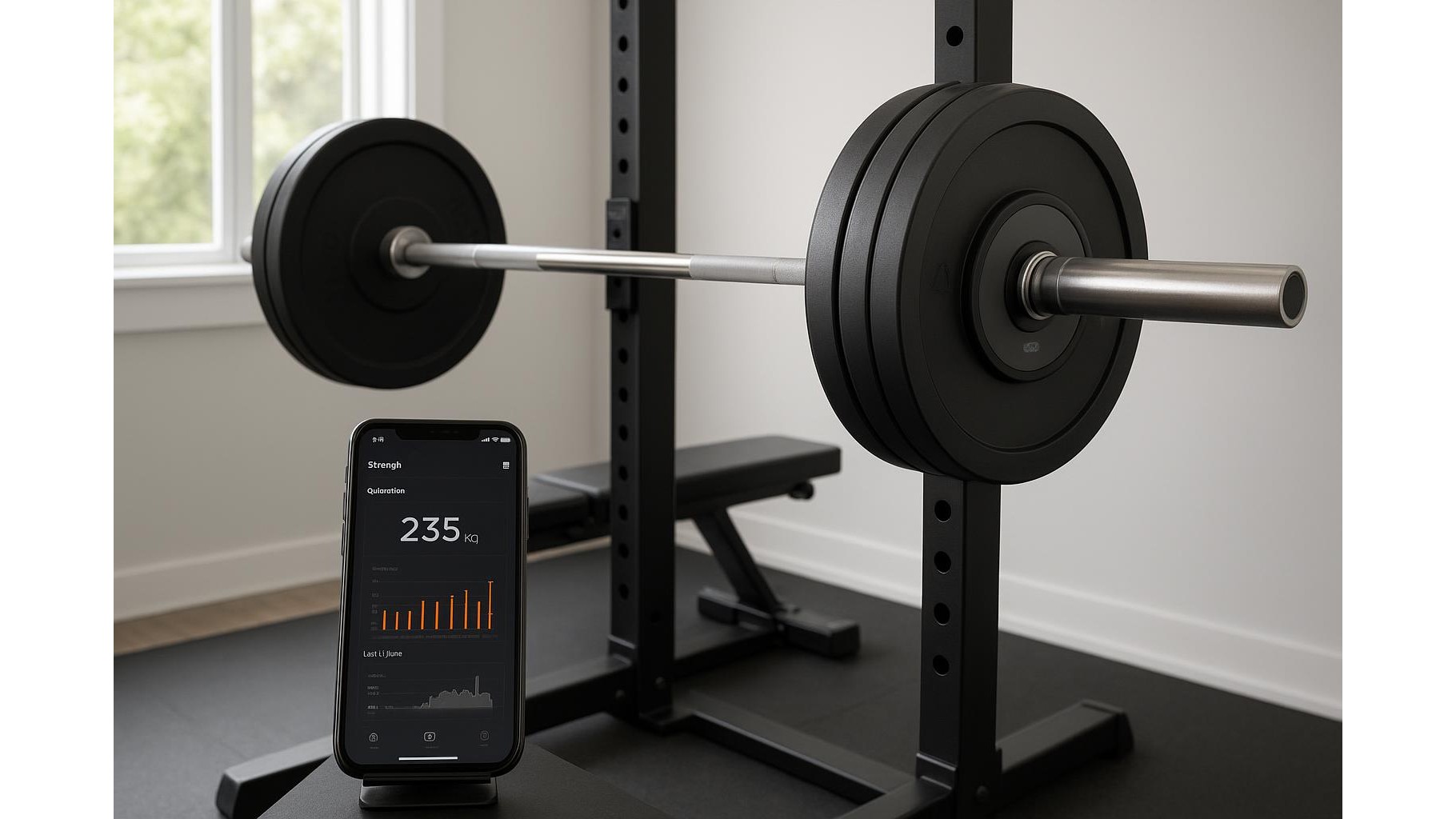
Smart weight plates are the latest innovation trying to bring real-time tracking and app integration to strength training. Instead of relying on notebooks or manual logging, these connected plates promise automatic workout tracking, performance analytics and form feedback. But in a home gym environment, where simplicity and durability matter, are smart plates really worth the extra cost and complexity over traditional iron or bumper plates?
What are smart weight plates and how do they work?
Unlike standard plates, smart plates integrate sensors, Bluetooth modules and sometimes micro-controllers directly into the plate body or in a companion sensor that attaches to the plate or barbell. In practice, this means they can estimate metrics like reps, bar speed, power output and sometimes range of motion. Some systems use small sensor pucks strapped near the plates or on the bar, while others embed electronics inside the plate casing. Most connect to a companion fitness app, where sets are logged automatically and you can review trends over time. This aims to bring a level of data and gamification similar to smart bikes or rowers into free-weight strength training.
Tracking features and app ecosystems
The main reason to consider smart plates is the tracking ecosystem. Compared to old-school pen-and-paper logs, smart systems typically offer automatic rep counting, set timing, estimated one-rep max (e1RM) and velocity-based training (VBT) metrics. For home lifters training alone, this can be valuable: the app can nudge you when performance drops, suggest load progressions, and highlight plateaus. Many smart ecosystems integrate with wider platforms such as Apple Health, Google Fit or generic fitness dashboards, so barbell data lives alongside sleep and cardio metrics. However, apps vary in maturity: some provide polished interfaces and clear charts, while others are basic, buggy, or lock key features behind subscriptions. When evaluating an upgrade, the real question is not just the plate hardware, but whether the software and long-term updates justify changing how you currently track training.
Compatibility with racks, bars and existing plates
In a home gym, equipment must be compatible and space-efficient. Smart weight plate systems typically need to fit standard 50 mm Olympic barbell sleeves and work safely in power racks, with J-hooks, safety pins and spotter arms. Some smart solutions are complete plate sets that replace your current plates, while others rely on clip-on sensors that attach near the collars and work with any plate. Full smart plate sets can be heavy and bulky, and their embedded electronics may be more sensitive to drops, aggressive deadlifts or overhead work if the floor is not properly protected. It’s also worth checking how easily they integrate with loadable dumbbells or specialty bars (trap bars, safety squat bars). If your home gym already relies on a mixed collection of bumpers and metal plates, you may prefer a sensor-based system that augments existing gear rather than forcing a complete swap.
Pros: data, motivation and smarter programming
The biggest advantages of smart weight plates are about feedback and motivation. Real-time metrics such as bar speed and power output can help intermediate and advanced lifters tune load and volume session by session, rather than guessing. Automatic logging removes friction, making it easier to stay consistent and review progress over months. For beginners, visual charts and streaks can reinforce habits and make strength work feel more engaging. Some platforms offer guided programs, goal-based templates and recommendations driven by your previous sessions, which is useful if you train without a coach. If you are into quantified self, enjoy data and already use smartwatches, HR trackers and connected cardio machines, adding smart plates can unify your training metrics and support more intentional, progressive programming.
Cons: cost, durability and software dependence
On the downside, smart plates cost significantly more than regular iron or rubber plates, especially once you factor in extra pairs for progressive loading. Embedded electronics introduce potential failure points: batteries need charging or replacement, connections can drop mid-session, and apps occasionally crash or lose data. In a home gym, plates often take abuse from deadlifts, drops and tight storage, and replacing or repairing a smart plate is far more expensive than swapping a basic iron plate. There is also a risk of software lock-in—if the company pivots, removes features behind subscriptions or abandons app support, your expensive hardware may lose core functionality. Finally, constantly checking screens can distract from the simple focus of lifting: technique, breathing and effort. For many people, this undermines the very appeal of strength training as a low-tech, grounding activity.
Who should consider smart plates in a home gym?
Smart weight plates make most sense for data-driven lifters, coaches running small private studios, and home gym owners who already invest heavily in connected fitness ecosystems. If you are serious about velocity-based training, power development or meticulous long-term tracking, a smart system may provide insights you cannot easily replicate with pen and paper. Conversely, if your priorities are budget, durability and simplicity, then high-quality standard plates combined with a simple training log (or a basic workout app) will cover 95% of your needs at a fraction of the cost. For many home gym users, upgrading the barbell, rack, flooring or adding a cable system will have a bigger impact than buying smart plates. Ultimately, the upgrade is worth it only if you will consistently use the data to inform your programming and not just treat it as a novelty.
In summary, smart weight plates bring modern tracking and connected features to traditional strength training, but they also introduce cost, complexity and long-term software dependence. For a subset of lifters who love analytics and want deeper insight into performance, they can be a powerful tool. For most home gym owners, however, durable conventional plates plus a reliable logging method remain the most practical foundation. Before investing, assess how much you truly value data, how you train today and whether that money might instead be better spent upgrading core equipment or improving the environment where you lift.