
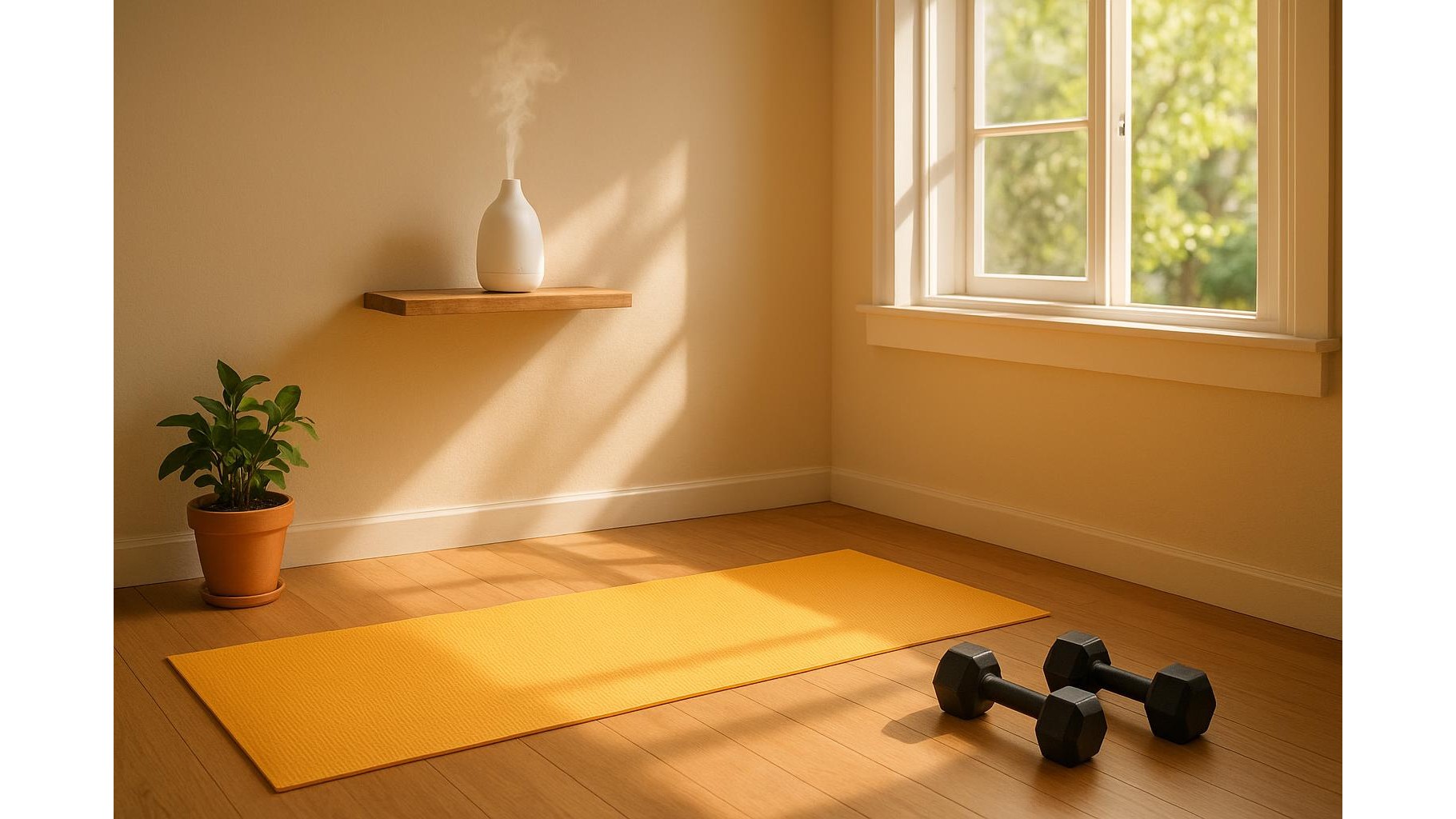
Bringing aromatherapy into your home gym can subtly shape how you feel before, during and after a workout. While essential oils are not magic performance boosters, evidence suggests certain scents can influence perceived exertion, alertness and relaxation. Used correctly in a diffuser, they can help you focus during strength sessions, unwind after intense cardio and support a calming environment for stretching and recovery. The key is to use high‑quality devices and oils, dilute them properly and respect allergies and ventilation needs, especially in shared family spaces.
Choosing the right diffuser for a home gym
For a workout space, look for an aromatherapy diffuser that is easy to clean, has timer options and offers consistent mist output rather than just pretty lighting. A typical example would be a compact ultrasonic model with a 300–500 ml water tank, BPA‑free plastic, auto shut‑off when empty and several mist modes for different room sizes. These features give you control over intensity so you can run a gentle background scent for yoga or a slightly stronger diffusion before a lifting session, without overwhelming the room or wasting oil. Prioritise models with simple, wipe‑clean interiors so sweat, dust and chalk from the gym area don’t build up inside the unit and affect air quality.
Best scent families for focus and performance
To support focus and mental clarity, research often highlights stimulating or “fresh” scents. Peppermint has been associated in some small studies with reduced perceived effort and increased alertness; it can be helpful in moderate amounts before strength training or interval work. Citrus oils like lemon, sweet orange and grapefruit are popular for their bright, clean profile that can counteract the stuffy feel of an enclosed gym. Rosemary is another traditional choice linked with concentration, though its aroma can be intense, so keep doses low. When diffusing these oils, start with 3–5 drops in a medium‑size diffuser and run it for 15–20 minutes before training, then switch off or use the lowest mist setting during the workout to avoid overpowering the space.
Scents for calm, stretching and recovery
For cool‑downs, mobility sessions or evening workouts, shift towards more relaxing essential oils. Lavender is the best‑known calming scent and has the most evidence around sleep and anxiety support; in a home gym, it pairs well with foam rolling, stretching or low‑intensity cycling. Chamomile and bergamot can also promote a softer, less “wired” atmosphere, which is useful if your gym is next to a bedroom or used late at night. Blends that combine a grounding base (like cedarwood or sandalwood) with a soft floral top note can help you mentally transition from high effort to recovery mode. Keep the concentration lighter than in focus sessions: 2–3 drops is often enough, especially in smaller or poorly ventilated rooms, so the scent supports relaxation instead of becoming cloying or irritating.
Safety, allergies and ventilation in a shared home
Using aromatherapy in a home gym means thinking beyond your own preferences. Essential oils are concentrated and can trigger allergies, headaches or respiratory irritation, especially in children, pregnant people, pets or anyone with asthma. Always dilute oils in water according to the diffuser’s instructions and avoid running a strong diffuser while someone is training hard and breathing heavily at close range. Good ventilation is crucial: open a window or door and allow fresh air exchange, particularly in small garage or basement gyms. Introduce one oil at a time and monitor for any discomfort such as coughing, eye irritation or skin itching. If you have pets that access the gym, research species‑specific risks—some oils, including certain citrus or tea tree oils, may be unsafe for cats and dogs even when only diffused.
Practical routines for integrating aromatherapy
To make aromatherapy in your home gym both effective and safe, build simple routines. For a morning strength session, you might diffuse a blend of peppermint and lemon for 10–15 minutes while you warm up, then switch the diffuser off once your main sets begin. For evening yoga, start a gentle lavender or chamomile diffusion five minutes before you roll out the mat, and let it run on a low intermittent setting during practice. Always clean the diffuser’s tank and lid after every few uses with a soft cloth and mild soap to prevent oil residue and bacteria build‑up. Rotate scents so you don’t become desensitised, and keep oils stored in dark, cool places in tightly sealed bottles. With these habits, your diffuser becomes a small but meaningful tool to shape mood, support focus and encourage consistent recovery behaviors in your home training space.
Integrated thoughtfully, essential oil diffusers can enhance the environment of your home gym without replacing the fundamentals of training, sleep and nutrition. By choosing appropriate devices, matching scents to your goals, and paying careful attention to ventilation and allergies, you create a space that feels cleaner, more focused and more relaxing. Aromatherapy should remain a subtle background aid, not a distraction: light, well‑timed diffusion can become part of a sustainable ritual that prepares you to work hard, then unwind and recover more effectively at home.









