Training at home with a prosthetic limb adds an extra layer of challenge when it comes to workout clothes. Seams, waistbands and leg openings that feel fine on non-amputee bodies can rub, trap heat or dig into liners and sockets. This guide walks through how to choose and style home workout apparel for athletes with prosthetic limbs, focusing on soft seam placement, adaptive waistbands, leg openings and smart layering to reduce friction and overheating.
Prioritising soft seams and low-friction fabrics
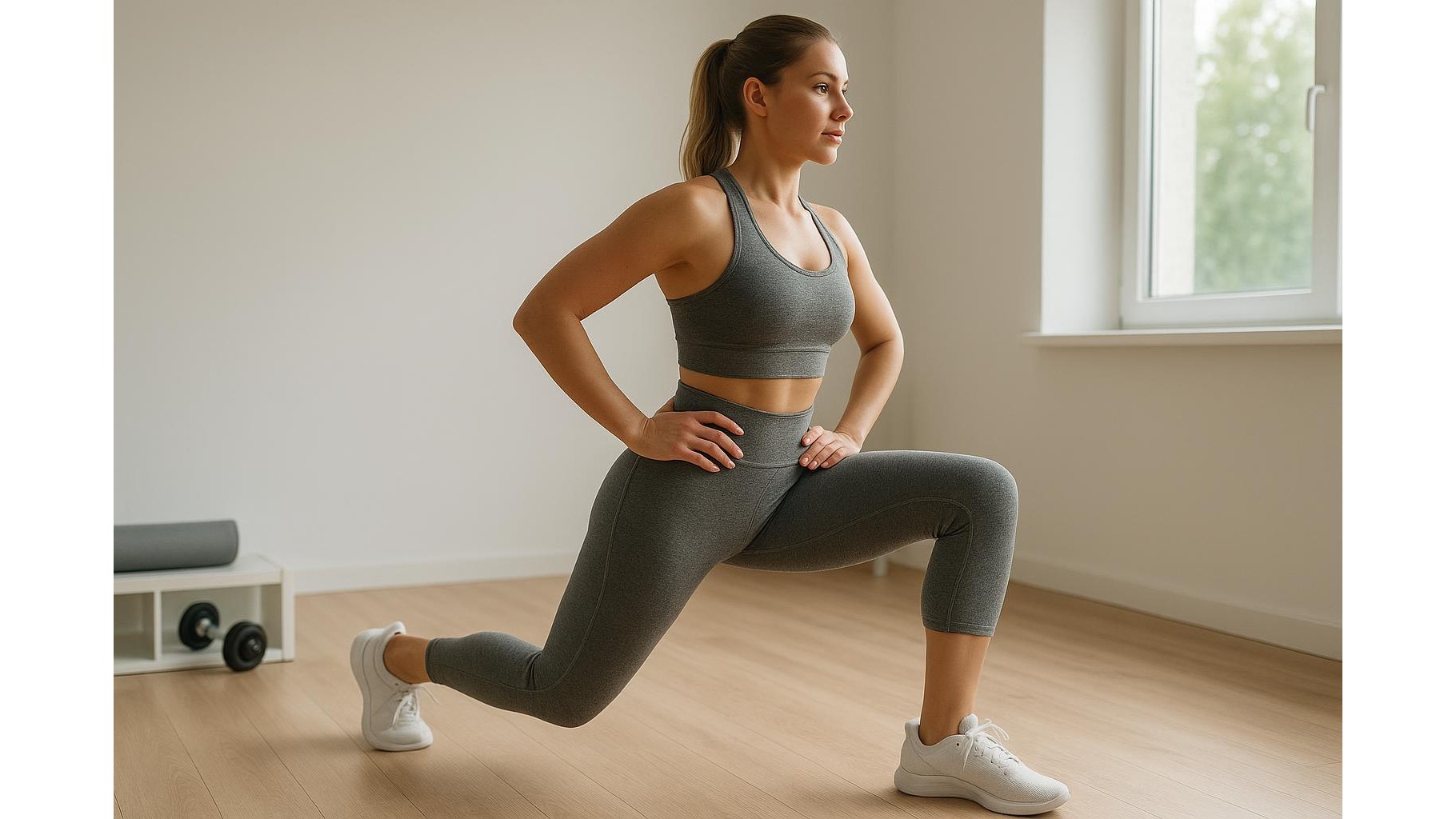
The first thing to look at in any piece of home workout clothing is how it is constructed around your amputation level and socket. Seek out leggings and shorts advertised as seamless or with flatlock seams, especially along the inner thigh and around the cuff that will meet your prosthesis. Minimising bulky stitching reduces pressure points under liners and sleeves and helps keep the skin calm during longer sessions. Opt for smooth, synthetic performance fabrics with a high percentage of elastane rather than rough cottons, which can absorb sweat and create friction. When you try on new gear, move through your full home routine—squats, lunges, core work—so you can feel where seams might twist, roll or rub against the socket or suspension system.
Adaptive waistbands that stay put over prosthetic sockets
For many amputee athletes, the waistband is where comfort is won or lost. Look for leggings and shorts with a wide, high-rise waistband that can sit securely either above or below your socket without cutting across it. Soft, brushed elastics are ideal, as they distribute pressure more evenly and are less likely to dig in when you bend or sit on the floor. Adjustable or drawstring waists can be helpful if limb volume changes across the day, allowing you to fine-tune the fit without over-tightening. Avoid very narrow, rigid bands or heavy internal labels along the waist; these can create hot spots under compression garments. At home, test your waistband by performing floor work on a mat—if it rolls down or creeps into the socket area, it is not the right choice for regular workouts.
Leg openings, cuffs and layering around the prosthesis
The interface between your prosthetic limb and your clothing is where most irritation happens, so pay special attention to leg openings and cuffs. For above-knee amputees, tapered leggings that gently hug the residual limb and then skim over the socket can reduce bunching and help the fabric move with you rather than against you. Below-knee athletes may prefer slightly looser lower legs or zippered cuffs, which make it easier to get the garment on and off without dragging across the prosthesis. If you experience rubbing at the socket edge, consider a thin, moisture-wicking base layer under your main leggings; this extra layer can act as a buffer and wick sweat away from sensitive skin. At home, you can also experiment with layering a soft compression sleeve under more structured shorts to balance support and comfort.
Upper-body fits: managing heat, straps and shoulder comfort
While leg fit is often the focus, upper-body home gym apparel also matters, especially if you use walking aids or have an upper-limb prosthesis. Choose sports tops and bras with wide, padded straps that do not bite into the shoulders when you load weight through crutches or parallel bars. Racerback and cross-back designs can provide extra stability without bulky seams over the shoulder joint. Breathable mesh panels at the back and under the arms help manage overheating, which can be more intense when you wear liners or sleeves. Look for tagless labels or heat-transferred prints instead of sewn-in tags that might scratch at the neck or shoulder harness. For home use, you can comfortably size up slightly in tops to allow more air circulation, as you are not constrained by gym dress codes or aesthetics.
Practical home styling strategies to reduce rubbing and overheating
Once you have found garments with the right seams, waistbands and leg openings, how you style and layer them at home can make a big difference. Start each session with completely dry liners and socks, then add a thin, wicking base layer if you are prone to sweat build-up, followed by your main shorts or leggings. Keep an extra pair of liner socks or a spare base layer nearby so you can change mid-workout if things get damp. Choose lighter colours and fabrics for intense cardio days, as they tend to trap less heat than thick, dark materials. Finally, remember that home workouts let you adapt on the fly: roll up a cuff, switch from leggings to shorts, or swap a tight top for a looser tee whenever you feel hotspots developing. The goal is not a perfect outfit, but a functional system that keeps you focused on training rather than discomfort.
Dialling in your home workout apparel as an athlete with a prosthetic limb is an ongoing process of testing, adjusting and listening to your body. By prioritising soft seams, adaptive waistbands, thoughtful leg openings and smart layering, you can significantly reduce rubbing and overheating during home sessions. Use your living room as a low-pressure lab to experiment with combinations, then keep notes on what works best for different types of workouts. Over time, you will build a small, reliable rotation of clothes that support both your prosthesis and your performance.