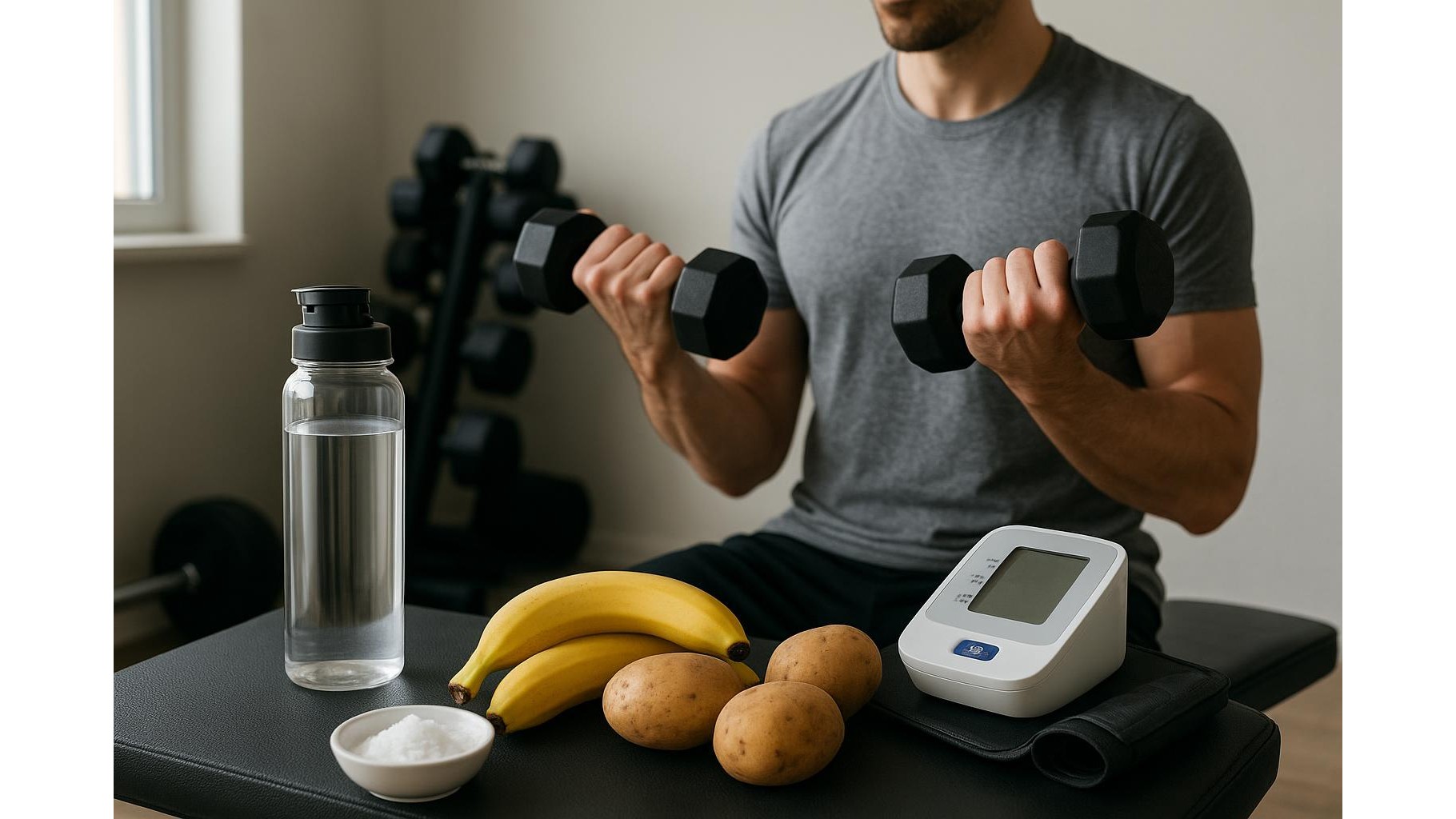
Training hard in your home gym changes how your body handles sodium and potassium. These two electrolytes regulate muscle contraction, nerve signals, fluid balance and even blood pressure. Get them wrong and you risk cramps, headaches and performance drops; get them right and your sessions feel stronger and more sustainable. This guide looks at how much you really need, how training intensity and sweat loss affect your targets, and when basic food sources are enough versus when specialised electrolyte products start to make sense for home athletes.
The role of sodium and potassium in home training
Every rep in your home gym depends on precise electrolyte balance. Sodium helps maintain blood volume and supports the electrical signals that fire your muscles, while potassium is key for muscle relaxation and prevents excessive nerve excitability. Too little sodium, especially in heavy sweaters, can cause dizziness and fatigue; too much, particularly in people with high blood pressure, increases cardiovascular strain. Potassium works as a counterbalance: higher potassium intake is associated with healthier blood pressure. For most healthy, active adults, the goal is not to cut salt blindly but to keep sodium moderate and potassium high via smart food choices and, when needed, targeted electrolyte support.
How much sodium and potassium do home athletes really need?
Evidence‑based guidelines suggest that many adults function well on roughly 1,500–2,300 mg of sodium per day, unless they have specific medical advice to go lower, while optimal potassium intake often sits around 3,000–3,500 mg or more from food. Home athletes who sweat heavily may need the upper end of sodium, especially on intense training days, but most still do not need extreme salt loading. Instead, aim for consistent daily intake: include naturally potassium‑rich foods like potatoes, bananas, beans and leafy greens and keep added salt to a measured sprinkle, not a free pour. If you track your diet and notice low potassium or very low sodium despite hard training, it may be time to consider a structured electrolyte solution rather than random extra table salt.
When sweat, heat and intensity change your salt needs
Not all home workouts stress your electrolyte balance equally. Short, low‑intensity sessions in a cool room barely affect your sodium and potassium levels; water and a balanced diet are usually enough. Long or high‑intensity sessions, especially in a warm garage or loft gym with poor ventilation, can dramatically increase sweat loss. Some individuals lose more sodium in sweat than others, seen as salt marks on clothes or a strong salty taste on the skin. If you regularly train for more than 60–90 minutes or finish drenched in sweat, you may benefit from planned sodium replacement. This does not mean over‑salting meals, but strategically using measured electrolyte products or slightly saltier pre‑ or intra‑workout drinks while still keeping an eye on overall blood pressure and daily sodium totals.
Food versus electrolyte products: what should you rely on?
For most home trainees, whole foods should remain the foundation of sodium and potassium intake. Simple choices like lightly salted meals, fruits, vegetables, dairy and legumes cover the needs of moderate training without special products. However, when sessions are long, sweaty or frequent, or when you train fasted, a dedicated electrolyte mix can provide predictable amounts of sodium and potassium without excess sugar or calories. Look for powders or tablets that clearly list their sodium and potassium per serving, contain minimal added sugar and avoid unnecessary stimulants. Always read the nutrition panel and start with conservative doses, especially if you have a history of hypertension or kidney issues, and discuss major changes with a healthcare professional.
Balancing performance, blood pressure and long‑term health
A smart sodium and potassium strategy for home athletes balances short‑term performance with long‑term cardiovascular health. If you have high or borderline blood pressure, it is crucial not to use strenuous training as an excuse for unlimited salt. Instead, aim for higher potassium from food, moderate sodium, and only use electrolyte products in proportion to how much you truly sweat. Monitor your response: notice whether you feel less light‑headed, recover faster between sets and avoid night‑time cramps when your electrolyte balance is dialled in. Regular blood pressure checks, especially if you experiment with added sodium during workouts, can help ensure your home gym progress supports your health rather than undermining it.
In summary, home athletes do not need extreme salt loading but they also cannot ignore electrolyte balance. Keep daily sodium moderate, push potassium higher through whole foods, and only bring in targeted electrolyte products when sweat loss and training duration justify it. By matching your sodium and potassium intake to your actual workload and health profile, you can protect blood pressure, support muscle function and get more quality work done in every home session.