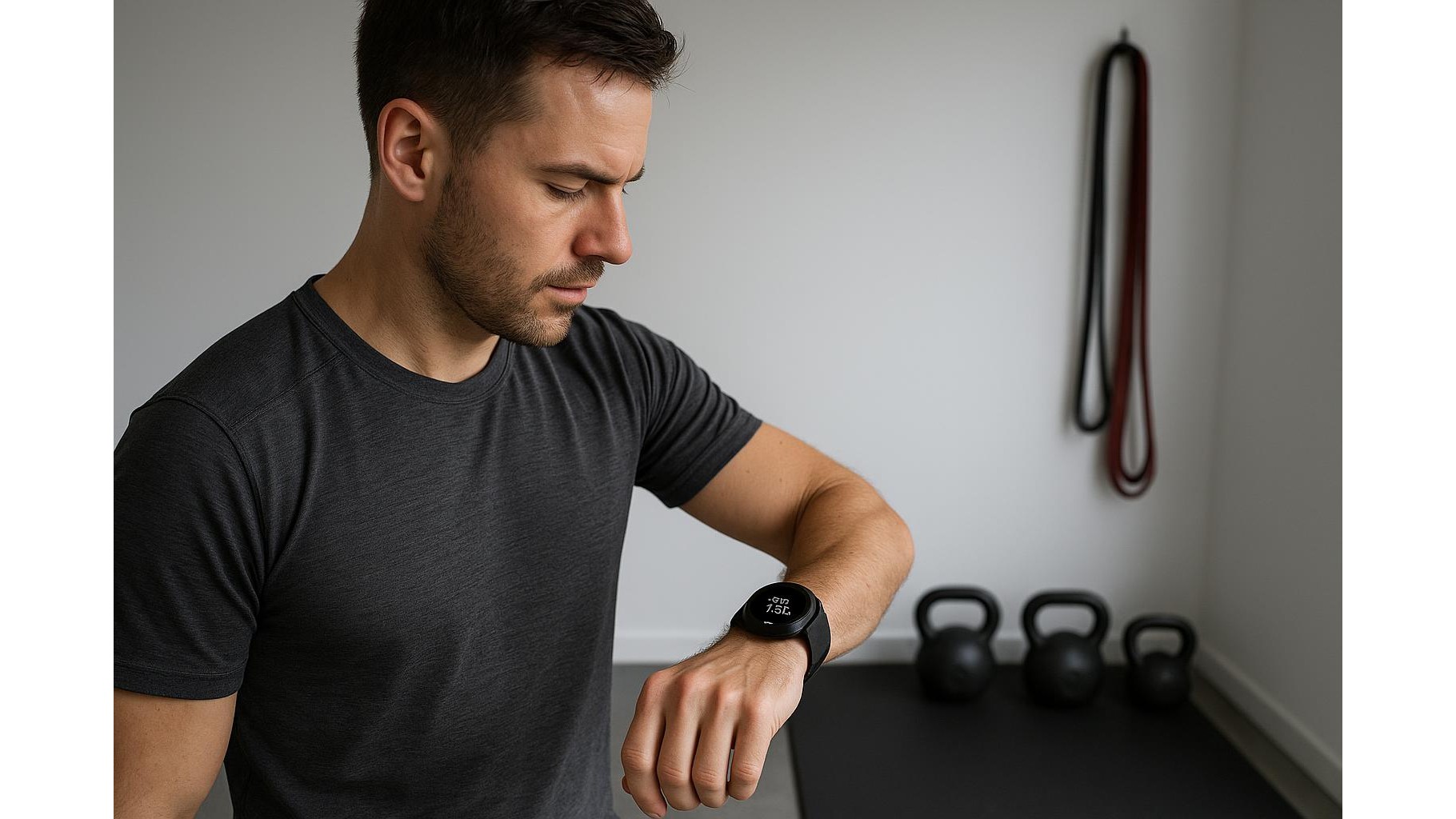
Bringing sports-science into your living room is now possible thanks to wearables that track sleep, recovery and heart rate variability (HRV). By learning to read these signals, you can auto-adjust your home workouts day by day: pushing harder when your body is primed, and backing off when stress and poor sleep would turn training into needless strain.
Why sleep and recovery data matter for home training
Without a coach watching you, it is easy to either undertrain or grind yourself into the ground with home sessions. Metrics like readiness scores, sleep duration, sleep stages and HRV give an objective snapshot of how well you have recovered from previous workouts and life stress. When these numbers are strong, your nervous system and muscles can tolerate higher training volume and intensity. When they are weak, your body benefits more from lighter, technique‑focused work. Treat these data points as traffic lights for your daily programming instead of guessing based on willpower alone.
Turning readiness scores into volume and intensity decisions
Most modern wearables summarise sleep, HRV and recent strain into a single readiness or recovery score. A simple framework: on high‑readiness days (e.g. 70–100%), increase volume (more sets) or intensity (heavier loads, harder intervals). On moderate days (40–69%), keep your planned workout but avoid testing new maxes or all‑out circuits. On low‑readiness days (0–39%), cut total sets by 30–50%, use lighter loads, extend rest periods and focus on mobility, easy cardio or skill work like slower, controlled push‑ups and squats. Over weeks, this approach reduces burnout, plateaus and injury risk while still driving progress.
Using sleep stages and HRV to choose the right type of session
Beyond total hours, the balance of deep sleep, REM sleep and your nightly HRV pattern can refine how you train at home. If your wearable shows good total sleep but low deep sleep and suppressed HRV, your body may not be fully repaired, so prioritise lower‑impact strength (e.g. goblet squats, band rows) and avoid jumping or heavy hinge work. When deep sleep and HRV are trending upward, schedule demanding sessions: heavy dumbbell work, challenging bodyweight circuits or intervals on a home bike or rower. If REM is consistently low and you feel mentally foggy, shift one or two weekly workouts to lighter, rhythmic cardio and breathing drills to reduce cognitive load while still moving.
Auto-adjusting exercise selection in a weekly home program
Build a flexible plan with three layers of exercise selection: a “green” list for high‑readiness days (explosive moves, heavy strength like weighted lunges and single‑leg work), an “amber” list for average days (moderate circuits, tempo push‑ups, hip hinges with lighter weights), and a “red” list for low‑readiness days (walking, easy cycling, mobility flows, core activation). Each morning, scan your wearable’s sleep, HRV and readiness, then pick from the matching list. This keeps you consistent but adaptable: you still train, yet the stress of each session is aligned with what your recovery data says you can handle.
Practical tips to avoid overreacting to wearable data
While sleep tracking and HRV are powerful, they are not perfect. Do not cancel every workout because of a single low score. Instead, look for trends over three to seven days: a one‑off bad night simply calls for a lighter session, not a full rest week. Combine the data with subjective cues like energy, mood and muscle soreness. If both data and body feedback say you are drained, reduce volume sharply or take a rest day. If only the numbers look off but you feel good, choose a moderate workout and monitor how you respond. Over time, you will learn how your own body maps to the metrics, making your home gym training smarter, not obsessive.
By grounding your home workouts in sleep, recovery and HRV data from wearables, you shift from a rigid plan to an adaptable system that matches daily capacity. Use readiness scores to scale volume and intensity, sleep stages and HRV trends to guide session type, and simple rules to auto‑select exercises. This data‑driven yet flexible framework helps you train harder on the right days, recover better on the wrong ones and make sustainable progress in your home gym.