Creating a multi-use home gym in a small space is all about choosing equipment that can do more than one job. A compact adjustable aerobic deck bench is one of the smartest investments you can make: it works as a step platform, a flat or incline mini bench, and even a low box for mobility drills. In this guide we’ll see how to choose the right model for your home, what features to prioritise, and how to use it safely in different workout setups.
Why a compact aerobic deck bench is perfect for small home gyms
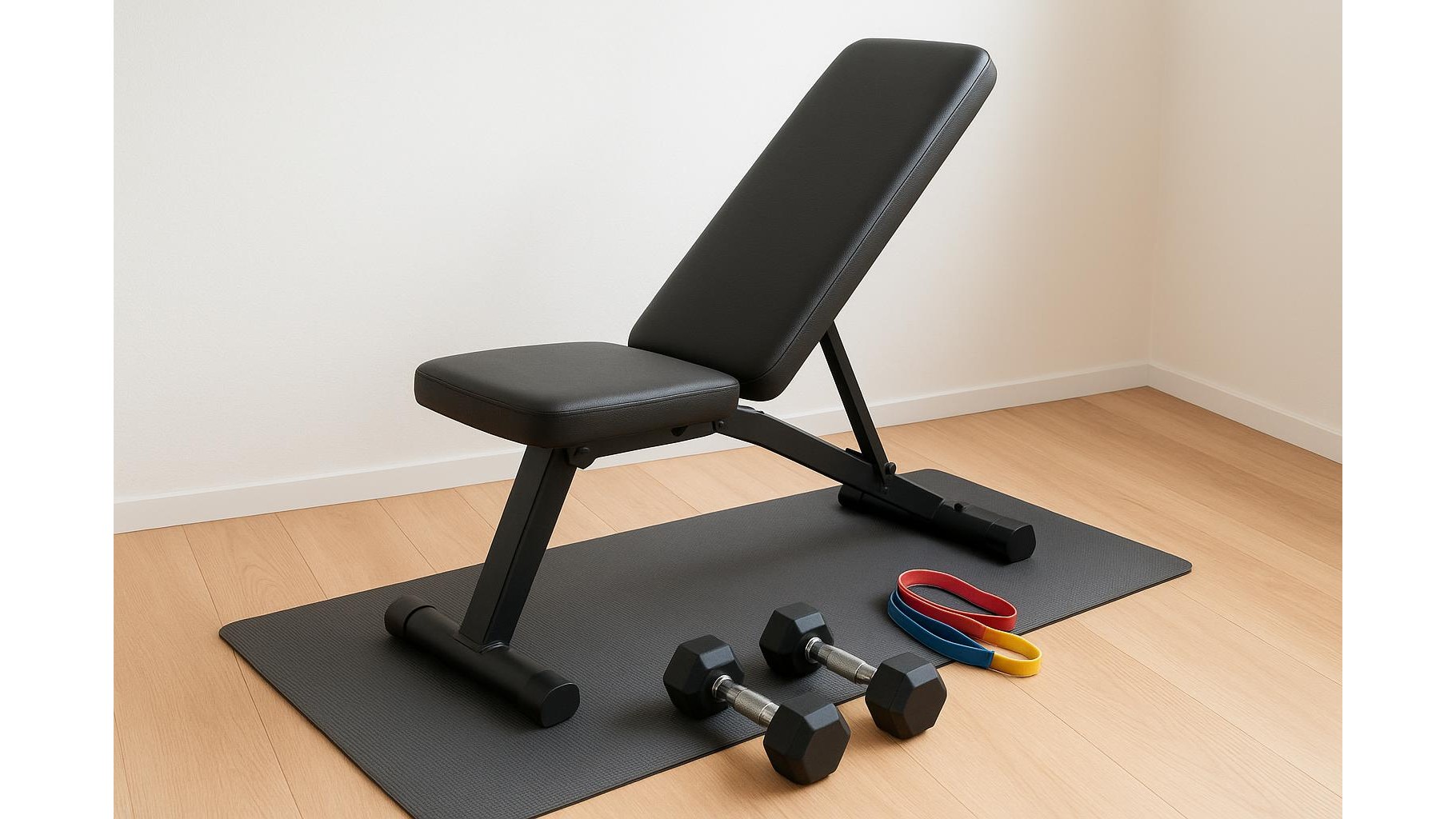
A modern aerobic deck bench replaces several bulky pieces of kit. In its lowest position it acts as a step for cardio routines, HIIT and low-impact aerobics. Raised or opened, it becomes a mini weight bench for dumbbell presses, rows and core work. Many designs also offer incline and decline settings, so you can vary the angle for chest, shoulders and abs without owning a full-size bench. Because it is compact and often hollow, it can double as storage for resistance bands or small accessories, helping you keep a tight space tidy. For renters or anyone training in a living room or bedroom, this single piece of equipment can make strength, cardio and mobility training all possible.
Key features to look for in an adjustable deck bench
When choosing a compact adjustable deck, start with stability and load capacity. Check the manufacturer’s maximum user and load rating: a solid deck should comfortably support dynamic stepping plus any dumbbells you plan to use. Look for non-slip rubber feet and a textured surface on top to reduce slipping when you sweat. An effective multi-use deck should have multiple height settings as a step, plus simple, secure locking mechanisms to switch quickly between flat, incline and decline positions. Compact designs with built-in storage are a bonus in tiny gyms, but don’t sacrifice stability for extra compartments. Finally, assess the footprint and weight: you want something light enough to move, but heavy enough not to tip when you perform lateral or plyometric moves.
Safety considerations and common mistakes
Because an aerobic deck bench is so versatile, it is easy to underestimate the safety side. Always check that legs and risers are fully locked in place before stepping or lying on the deck, and test the stability with bodyweight before adding external load. When using it as a step platform for fast cardio, keep the height appropriate for your fitness and ankle mobility; too high and you risk tripping or overloading your joints. On bench exercises, make sure your head and shoulders are fully supported, and position the deck on a flat, non-slip floor, avoiding loose rugs. Avoid placing it too close to walls or furniture so you have room to move dumbbells safely overhead and to the sides. Regularly inspect clips, hinges and rubber feet for wear, especially if you fold and adjust it daily.
Example workout setups in a small home gym
One of the big strengths of a compact adjustable aerobic deck is how easily it anchors different kinds of workouts. For cardio circuits, set it to the lower height and alternate basic step-ups, lateral steps and knee raises with bodyweight squats or push-ups on the deck. For strength training, use the flat position for dumbbell bench press, single-arm rows and hip thrusts, then switch to incline for shoulder presses and incline chest work. In core-focused sessions, you can elevate your feet for decline push-ups, perform seated twists on the deck, or use it as a support for side planks and glute activation drills. With a pair of adjustable dumbbells and some resistance bands, the deck becomes the central platform of a complete full-body routine without overloading your floor space.
How to match the bench to your space and training style
Before buying, measure your training area and consider how you’ll store the bench between sessions. If you train in a living room, a slimmer, lighter foldable deck that slides under a bed or sofa may be ideal. If you have a dedicated corner, you might prioritise a more robust model with a higher weight rating and extra incline positions, even if it is slightly bulkier. Think about your primary goals: for HIIT and aerobic work you’ll want a model with secure, fast-adjusting step heights; for strength and hypertrophy, focus on backrest stability, comfortable surface and load capacity. Also factor in your height: taller users may prefer a longer deck surface for better support during presses and rows. Matching these elements to your training style ensures the bench feels like a custom fit rather than a compromise.
Getting the most from your adjustable aerobic deck bench
A well-chosen compact adjustable aerobic deck bench can replace several pieces of gym furniture, turning even a tiny room into a versatile training space. By prioritising stability, simple and secure adjustments, appropriate size and a load rating that matches your ambitions, you can train safely across cardio, strength and mobility sessions. Combine the deck with a small selection of dumbbells, bands and bodyweight drills and you will have an efficient, quiet and highly adaptable home setup. Investing a bit of time in choosing the right model pays off every day you train, making it easier to stay consistent and get stronger without needing a full commercial gym.