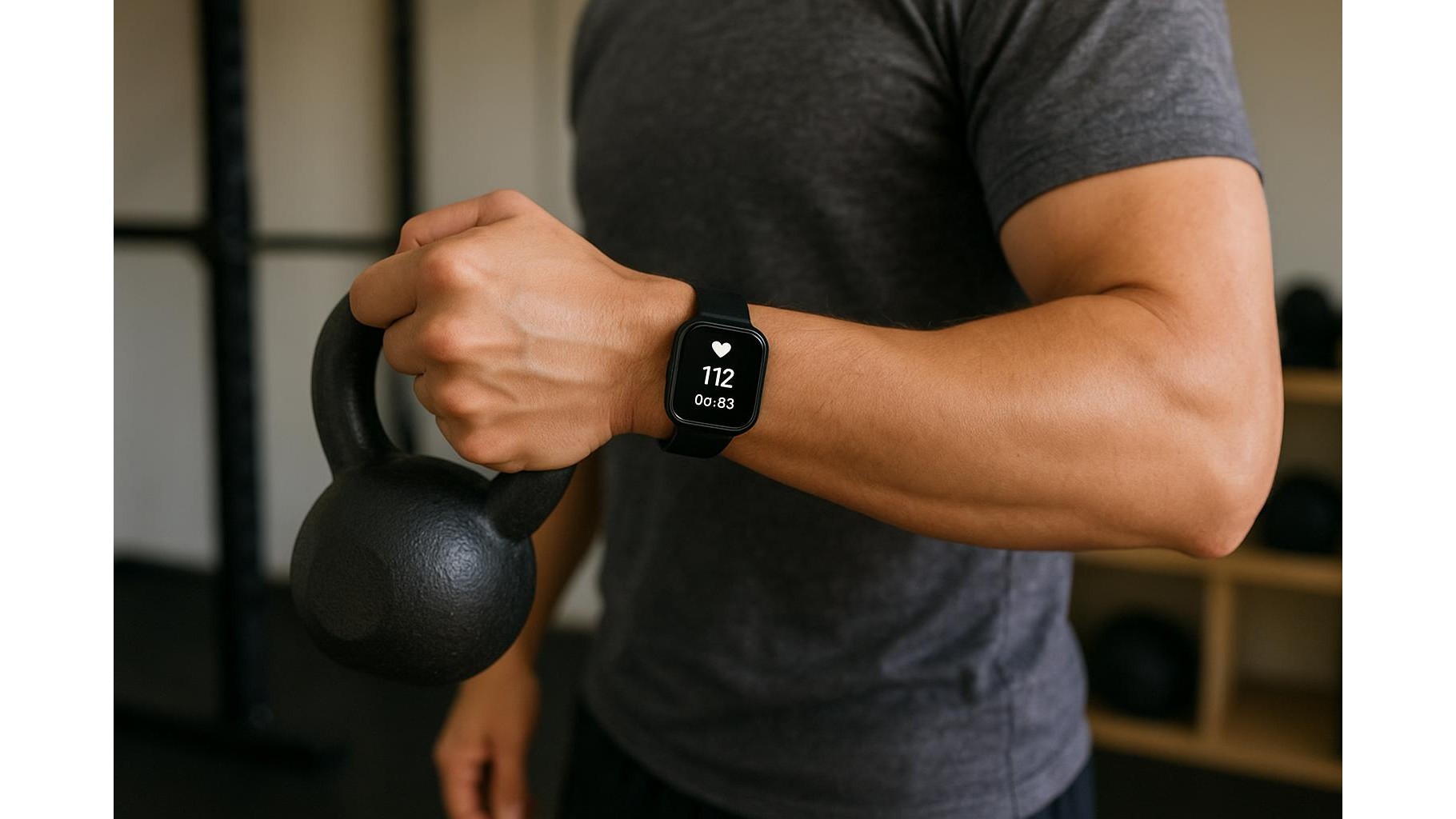
When you train in a home gym, you often don’t need an expensive, feature‑packed wearable. A simple, budget smartwatch that tracks heart rate and offers reliable timers for sets, intervals and rest can be more than enough. The key is avoiding extra features like built‑in GPS, music storage and advanced outdoor sports modes that drive up price without adding real value to your sofa, garage or spare‑room workouts.
What you actually need for home workouts
For training at home, focus on a watch that nails the basics: continuous heart rate monitoring, an easy‑to‑read display and flexible timer options. You want to see your heart rate during circuits, HIIT or steady cardio so you can stay in the right zone without grabbing your phone. A clear countdown or interval timer is just as important for timing work and rest periods. Skip advanced navigation, maps or LTE – they are mostly useless indoors and only make the watch more expensive and complicated to use.
Heart rate accuracy and comfort on a budget
Optical sensors on affordable smartwatches have improved a lot, but you still want decent heart rate accuracy. Look for models that offer 24/7 tracking, workout‑specific modes (like cardio or strength) and adjustable sampling frequency, which can improve responsiveness during intervals. Comfort is just as critical: a lightweight case and soft silicone strap help the watch sit snugly on the wrist, reducing motion that can distort readings during push‑ups, rows or kettlebell swings. Even on a budget, prioritize a design you can wear for entire sessions without irritation.
Essential timer and workout features to look for
For home training, the most valuable tools are countdown timers, stopwatches and interval timers. Make sure the watch lets you create custom intervals (for example 40 seconds work, 20 seconds rest, repeated 10 times) and preferably save them as presets so you aren’t re‑programming before every workout. A simple vibration alert is ideal when music or TV is on in the background. Additional nice‑to‑haves include lap timing for EMOM or AMRAP sessions and basic step and calorie tracking to give you a sense of overall daily activity.
Battery life, screen and app simplicity
Training at home means your watch doesn’t need extreme outdoor battery life, but you still want it to last several days of mixed use with regular workouts. Many budget fitness watches easily reach 5–10 days if you keep the screen brightness moderate and avoid always‑on display. A simple, readable screen is more useful than a high‑end AMOLED if it means lower cost and better endurance. Also evaluate the companion app: syncing workouts, checking heart rate trends and changing timer settings should be straightforward. Overly complex apps with social feeds and advanced analytics just add clutter when all you want is quick access to your training data.
Features you can safely ignore at home
If you rarely train outdoors, you can safely skip built‑in GPS, route tracking, offline maps and music storage. Your phone can handle GPS on the rare occasion you go for a run. Likewise, NFC payments, downloadable apps and voice assistants are convenient but non‑essential for a home gym and usually push the price up. Many people also never use advanced recovery metrics, training load analysis or multi‑sport triathlon modes. Concentrating on heart rate, step counts and timers lets you buy a simpler device that is easier to operate in the middle of a set.
How to choose the best budget option for you
Start by setting a realistic spending cap and listing must‑have features: continuous heart rate, at least one programmable interval timer, comfortable strap and a battery that covers your typical training week. Then compare a few affordable models on these basics alone, ignoring marketing around advanced outdoor features. Read user reviews to confirm that timers are easy to configure and heart rate readings are consistent during exercise. By keeping your priorities tight and avoiding unnecessary extras, you can pick a budget smartwatch that does exactly what you need for home workouts – monitor your heart, keep time and stay out of the way while you focus on lifting, cycling or bodyweight training.