
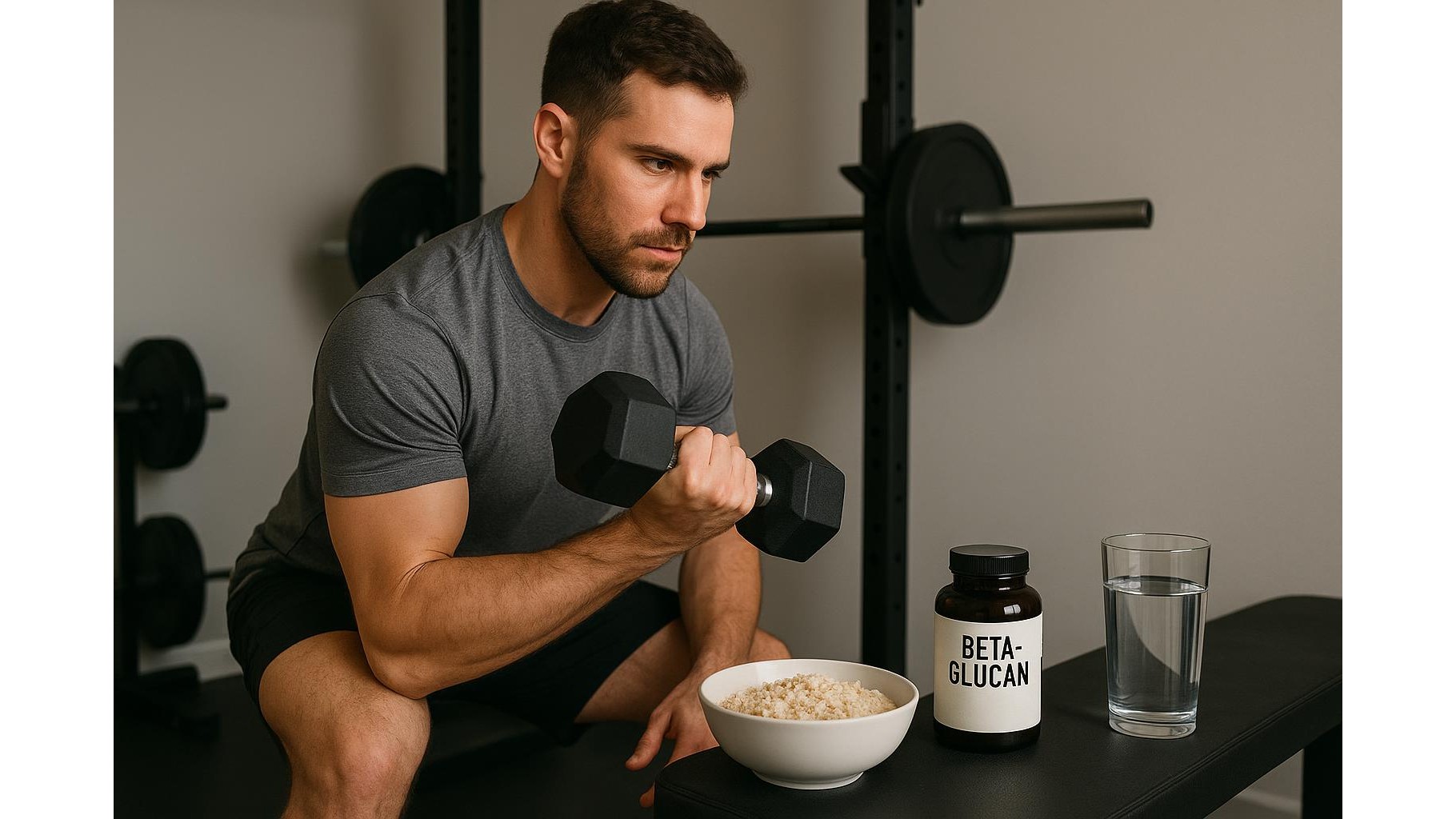
Training hard at home is only useful if you can stay consistent. For many lifters, the biggest disruptor is not motivation but getting sick. In recent years, beta-glucan supplements from oats and yeast have been promoted as natural immune support that might reduce colds and help you train more regularly. This article takes an evidence-based look at what beta-glucans are, how they may work, and when they could make sense for home athletes who rarely skip workouts.
What are beta-glucans and where do they come from?
Beta-glucans are chains of glucose molecules found in the cell walls of oats, barley, and yeast. Oat beta-glucans are best known for their role in cholesterol reduction and heart health, while yeast-derived beta-glucans are typically marketed for immune support. They are usually sold in capsule or powder form as dietary supplements. For home trainees, their appeal lies in the idea that a stronger immune system might mean fewer missed sessions and better long-term progress.
How beta-glucans may influence the immune system
Research suggests that certain beta-glucans, especially those from yeast with specific 1,3/1,6 linkages, can interact with immune cells in the gut and blood. They may help “prime” innate immunity, enhancing the readiness of cells like macrophages and natural killer cells. In human trials, athletes taking yeast beta-glucans sometimes report fewer upper respiratory tract infections or milder symptoms, especially during periods of intense training. However, results are mixed, and beta-glucans do not act like a magic shield; they are better thought of as a modest support for an already healthy immune system.
When home athletes might realistically benefit
For a generally healthy person training 3–5 times per week at home, sleep, nutrition, and overall stress management will always have a bigger impact on immunity than any supplement. That said, yeast-based beta-glucan supplements may be most useful in specific scenarios: phases of high training volume or intensity, times of increased life stress, or during the colder months when respiratory infections are more common. If you are a home athlete who rarely skips workouts and you notice that colds frequently derail your plans, adding beta-glucans alongside core habits like adequate protein, fruits, and vegetables could offer a small but meaningful advantage.
Dietary beta-glucans vs supplements
It is important to separate oat beta-glucans from yeast beta-glucans. Eating whole oats provides soluble fibre that supports cholesterol control, blood sugar management, and a healthy gut microbiome, all of which indirectly supports immune health. Yeast beta-glucans, in contrast, are usually standardized and concentrated for a more targeted immune effect. A practical strategy for home trainees is to build a diet rich in whole grains, oats, fruits and vegetables, then consider a yeast beta-glucan supplement if they want to experiment with additional immune support during demanding training blocks.
Limitations, safety and expectations
Even though beta-glucan supplements are generally considered safe and well tolerated for most healthy adults, they are not appropriate for everyone. People with autoimmune conditions, immune disorders, or those on immunosuppressant medications should talk to a healthcare professional before use. Beta-glucans can slightly alter immune activity, so professional guidance is essential in these cases. More broadly, current research shows modest benefits rather than dramatic effects. Home athletes should view beta-glucans as one small tool in a comprehensive plan that includes progressive training, recovery, sleep, and a nutrient-dense diet, not as a substitute for these foundations.
Putting beta-glucans into your home training strategy
For dedicated home athletes, staying healthy enough to train consistently is a major performance advantage. Beta-glucans from oats and yeast offer an intriguing, evidence-supported but limited way to support immune resilience. Start with the basics: structured programming, good hygiene, adequate calories, micronutrient-rich foods, and seven to nine hours of sleep. If colds and minor infections still regularly break your training streak, a well-chosen yeast beta-glucan supplement may be worth a 6–12 week trial while you monitor illness frequency and training quality. Used with realistic expectations, beta-glucans might help you maintain the consistency that truly drives long-term progress in your home gym.









