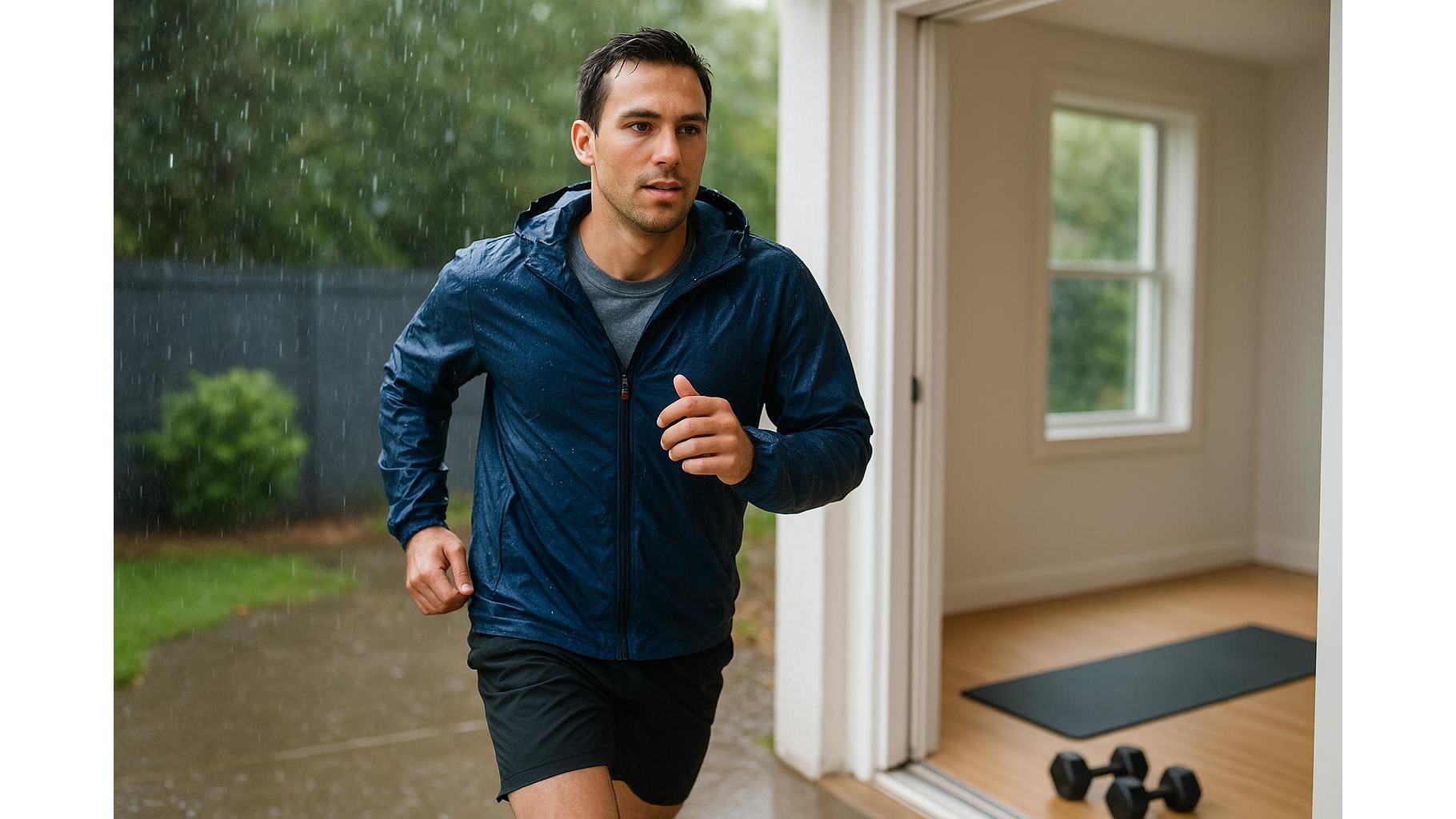
Transitioning from a drizzly jog to a set of home dumbbell rows shouldn’t mean a full outfit change. The right lightweight, water‑resistant jacket can slip over your home gym clothes, keep you dry outdoors and comfortable indoors, and save you time between warm‑up miles and strength sessions. By focusing on fit, breathability and smart layering, you can move from pavement to living‑room workouts without overheating or feeling restricted.
Why your outer layer matters for hybrid workouts
When you mix outdoor cardio with indoor strength training, your outer layer becomes more than just a rain shield. It has to balance weather protection with the ability to ventilate once you’re back inside doing squats, presses or kettlebell swings. Look for water‑resistant or lightweight waterproof jackets that block wind and light rain but don’t trap heat. Features like mesh lining, vented back panels and two‑way front zips let you quickly dump excess warmth as your heart rate climbs, so you can keep your jacket on for mobility drills or warm‑up sets instead of peeling it off immediately.
Choosing fabrics and fits that work over gym outfits
The best jackets for indoor–outdoor sessions use technical fabrics that are both breathable and fast‑drying. Prioritise thin, ripstop nylon or polyester with a DWR (durable water‑repellent) finish rather than bulky rubberised raincoats. This makes it easy to wear them over compression tops, hoodies or training vests without feeling stuffed or stiff. Aim for a slightly relaxed athletic fit: enough room in the shoulders and chest to handle overhead presses and rows, but not so loose that it flaps when you run. Articulated elbows and a bit of stretch in the fabric help you move freely through push‑ups, pull‑downs and dumbbell curls.
Layering strategy: from doorstep to last rep
Think of your outfit as a system. Start with a moisture‑wicking base layer top and breathable leggings or shorts. Add your usual home gym mid‑layer—for example a slim fleece or lightweight hoodie in colder months. Your water‑resistant jacket goes on top just before you head outside. During your jog or warm‑up walk, keep the jacket zipped to block wind; once you come back indoors, partially unzip or open the cuffs to release heat. If your session ramps up with heavy strength work or circuits, you can shrug the jacket off and drape it over a bench; because it’s lightweight and quick‑drying, it won’t stay clammy. This approach keeps you comfortable at each stage without constant wardrobe changes.
Practical features that make a big difference
Beyond fabric, small details determine how well a jacket works over your workout clothes. Prioritise adjustable hems and elasticated or Velcro cuffs so you can tighten against wind outside, then loosen for airflow indoors. A packable hood is useful in unpredictable weather, but look for models that cinch securely so they don’t bounce during runs or burpees. Zipped pockets protect keys and phone on the jog, yet lie flat enough that they won’t dig into your hips when you’re doing floor work or ab exercises. Reflective accents help with early‑morning or evening runs, and a light, compressible design means you can stash the jacket beside your squat rack or treadmill without cluttering your training space.
Fitting jacket choices to your training style
Your ideal home gym outer layer should match how you like to train. If you favour short runs before lifting, a minimalist running shell with high breathability will be enough, letting you keep it on for your first few sets. If you train in a colder garage or balcony gym, consider a slightly insulated yet thin softshell jacket that adds warmth but still layers smoothly over a hoodie or long‑sleeve. For high‑intensity circuits that move between patio and living room, look for maximum venting—mesh panels, perforated underarms and full‑length zips are key. In every case, test your range of motion: perform a mock overhead press, hinge and squat while wearing the jacket to ensure no pulling across the shoulders or tightness at the hips.
With a smart layering strategy and a well‑chosen lightweight, water‑resistant jacket, you can blur the line between outdoor and indoor training. Instead of pausing to swap outfits, you’ll move smoothly from drizzle‑covered pavements to dumbbell rows and core work, staying dry, comfortable and focused. Invest in breathable fabrics, freedom of movement and functional features, and your home gym routine will feel more seamless—whatever the weather is doing outside.