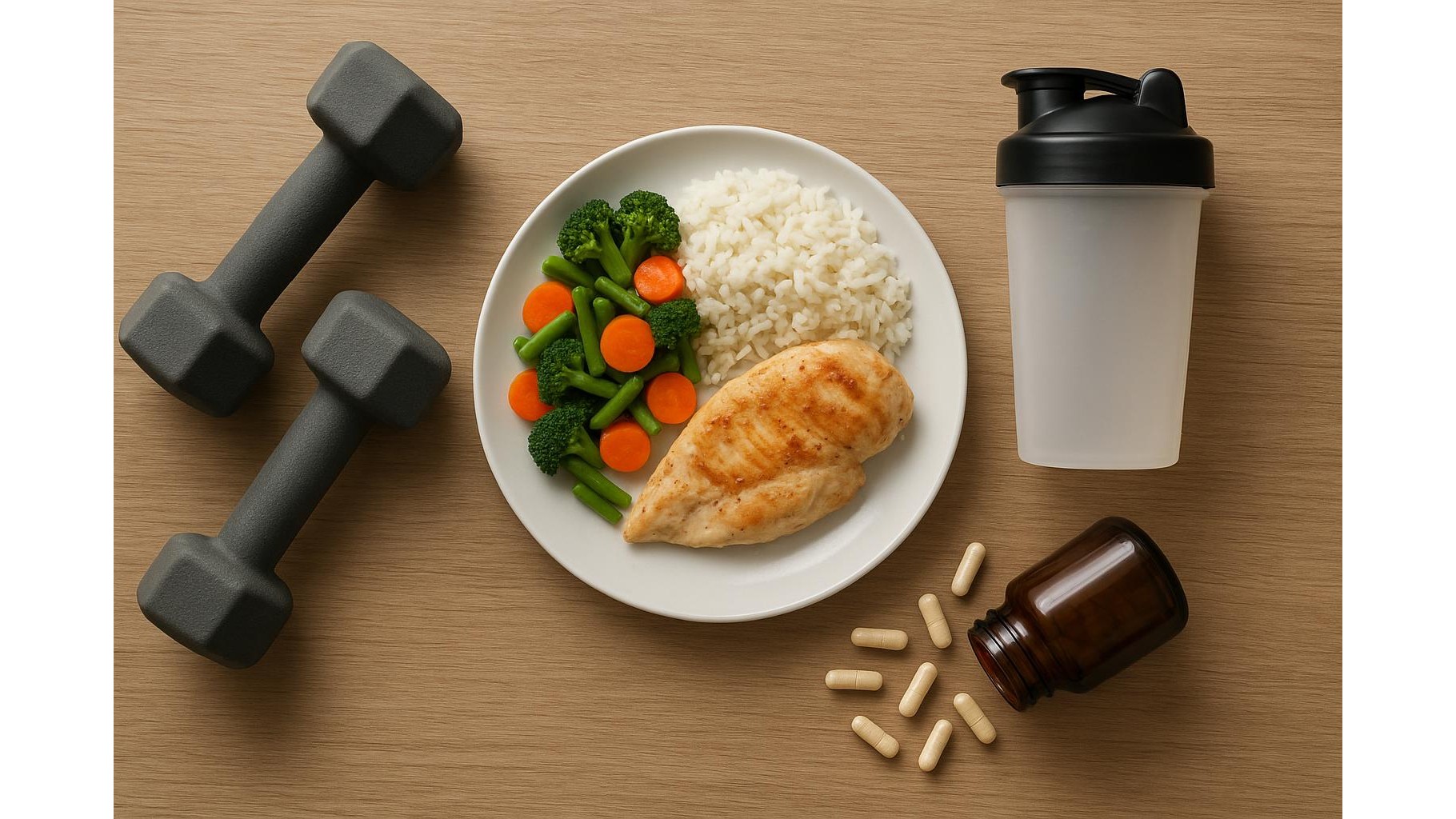
When you build a high‑protein home diet to support strength training and home workouts, it is normal to wonder whether you also need digestive enzyme supplements. Social media is full of promises: flatter stomach, better absorption, more muscle. But how much of this is backed by science, and in which situations can enzymes actually help? This article looks at what enzymes do, the real benefits and limits, who might benefit, who should skip them, and how to test whether they truly improve your digestion and performance.
What digestive enzymes are and how they work
Digestive enzymes are proteins produced naturally by your body to break down food into smaller components. Amylases digest carbohydrates, lipases digest fats, and proteases digest protein into amino acids. A typical digestive enzyme supplement for fitness‑minded people will include a blend of proteases (sometimes labelled as bromelain, papain, protease, peptidase) plus amylase and lipase. The idea is simple: if your own enzyme production is insufficient, adding extra enzymes before a big, protein‑heavy meal might reduce bloating, gas, and the feeling of heaviness, and possibly support better nutrient availability. However, in healthy individuals with normal pancreatic function, the small intestine already has a huge reserve capacity, so extra enzymes often add little or no benefit.
Who may genuinely benefit from enzyme supplements
There are specific groups who may experience real advantages from targeted digestive enzyme supplements, especially when following a high‑protein diet. People with diagnosed conditions like pancreatic insufficiency, cystic fibrosis, chronic pancreatitis, or those who have had part of the pancreas, stomach, or small intestine removed often produce fewer enzymes and may struggle with fat and protein digestion. Some individuals with unexplained but persistent digestive symptoms (bloating, fatty stools, cramps, diarrhoea after meals) might also benefit under medical supervision. Older adults can sometimes have reduced digestive efficiency, and very high protein intakes (2.0 g/kg and above) may unmask mild intolerance. In these cases, adding enzymes might reduce discomfort and allow them to stick to their nutrition plan for training at home.
Who probably does not need digestive enzymes
If you are a generally healthy home athlete, with no known digestive disease and no major symptoms when you eat protein‑rich meals, you are unlikely to need a digestive enzyme supplement. Your body naturally up‑regulates enzyme production when you habitually eat more protein, and studies show that most people can comfortably tolerate high intakes when they increase them gradually and distribute protein across the day. Often, problems that people attribute to “poor protein digestion” are actually due to other factors: rushing meals, eating large volumes in one sitting, excessive fat or fibre in the same meal, or intolerance to specific ingredients like lactose or certain sweeteners. For these people, improving meal structure, chewing thoroughly, and adjusting total calories often works better than adding an expensive enzyme blend.
How to test whether enzymes really help you
A practical, science‑inspired way to evaluate digestive enzyme supplements is to run a personal A/B test. For two weeks, keep your high‑protein home diet constant: same foods, similar training, similar sleep. Track key symptoms daily: bloating severity, gas, stool consistency, timing of bathroom visits, and how heavy or comfortable you feel after your largest protein meal. In week one, do not use any enzyme supplement, just follow your usual routine. In week two, introduce an enzyme product exactly as directed immediately before that same meal. Compare your symptom log. If there is no clear, consistent improvement, the supplement is probably not worth the cost. Remember that placebo effects are strong: feeling better on day one is not enough; look for stable changes over several days.
Safer strategies to improve protein digestion at home
Before turning to digestive enzymes, try low‑risk adjustments to your diet and eating habits. Split your total daily protein intake into 3–5 smaller meals instead of one or two massive servings. Prioritise easily digestible protein sources such as whey protein shakes, eggs, lean fish, or tofu if large meat portions sit heavily in your stomach. Reduce very high fat loads in the same meal, which slow gastric emptying. Cook protein thoroughly but avoid charring, which can irritate the gut. Pay attention to lactose and FODMAP‑rich foods if you suspect specific intolerances. Many home athletes find that these changes make high‑protein eating far more comfortable, eliminating the need for enzyme products.
In summary, digestive enzyme supplements for high‑protein home diets are not a magic bullet and are unnecessary for most healthy, active people. They can be very useful in cases of documented enzyme deficiency or significant, persistent digestive issues, ideally under the guidance of a healthcare professional. For everyone else, optimising meal size, food choices, and eating behaviour generally offers better results with zero extra cost. If you are curious, run a structured self‑experiment and track your response instead of relying on marketing claims. Let your symptoms, performance, and consistency on your diet—not hype—decide whether enzymes deserve a place in your home gym nutrition stack.