When you train in a warm living room or garage, the wrong shorts can ruin a workout. Unlined cotton basketball shorts ride up, seams rub, and heavy fabrics feel swampy the moment you start squats or couch-to-core circuits. Choosing the right lined home workout shorts or 2‑in‑1 shorts helps you prevent chafing, keep everything covered during deep movements, and still feel light enough to lounge on the sofa between sets.
Understand what “lined” and “2‑in‑1” really mean
Before you buy, it helps to decode the labels. Lined shorts usually have a thin inner brief or short made from stretchy, moisture‑wicking material that sits close to the skin. 2‑in‑1 shorts go a step further, pairing a compressive inner layer with a looser outer shell. The inner liner reduces friction on the thighs and around the groin, while the outer layer gives a casual look that feels fine for walking around the house. For home workouts, that inner layer is the key to preventing chafing during squats, lunges, bike sessions or long mobility routines on the carpet.
Pick fabrics that stay dry in hot rooms
For indoor training, breathable fabric matters more than you think. Look for polyester or nylon blends with added elastane or spandex in the liner so it stretches smoothly and doesn’t dig in. A good pair of lined shorts should feel cool even after a long dumbbell circuit in a stuffy spare room. Avoid heavy cotton liners, which soak up sweat and increase friction. Instead, choose smooth, quick‑dry materials that wick moisture away from the skin. Light outer shells with a bit of stretch move quietly when you sit or lie down, making them ideal for workouts that blend push‑ups, yoga flows and recovery time on the couch.
Dial in the fit to stop riding up and chafing
The best anti‑chafing workout shorts balance snug support with freedom of movement. The liner should fit close like a second skin but not feel like shapewear. Too tight and the leg opening cuts into your thighs; too loose and the fabric bunches and rubs. For most people, an inseam that hits mid‑thigh works well at home, offering coverage when you sit cross‑legged or stretch on the floor. Check that the waistband is soft and stable: a wide, elastic band stays put during jumping jacks and step‑ups without rolling when you sit back on the sofa. If you’re between sizes, sizing up often improves comfort for long sessions and everyday lounging.
Choose features that work for squats and couch time
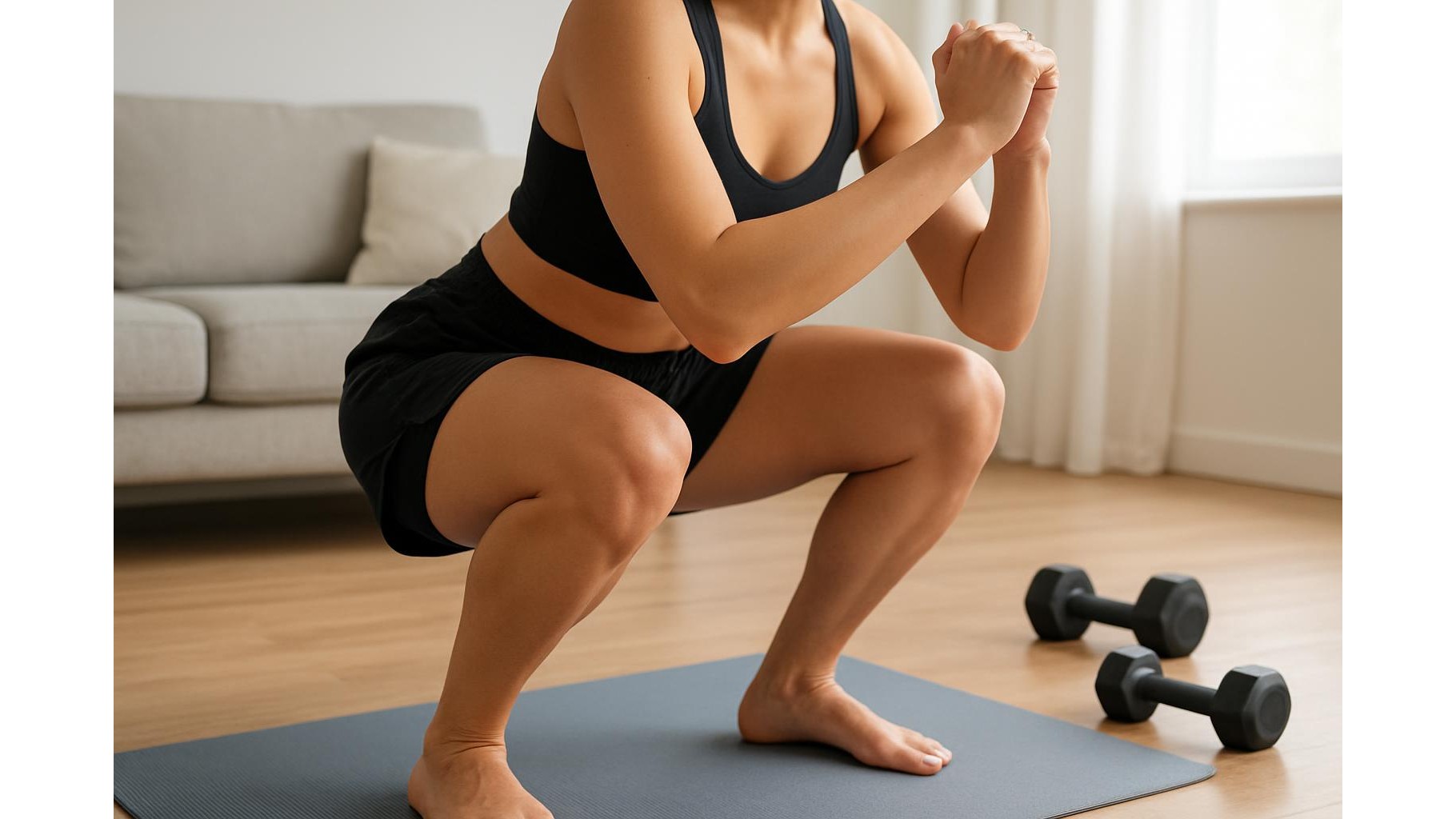
Home workouts mean your shorts have to handle more than just training. Look for practical details that make them comfortable all day. A flatlock‑stitched liner minimizes raised seams that can rub during high‑rep squats and lunges. Side slits or a slightly curved hem on the outer shell give room for deep hip and knee flexion so the fabric doesn’t pull tight at the bottom of a squat. Secure but low‑profile pockets are a bonus: they let you stash your phone or remote without bulky zips digging into your hips when you lie on the mat or recline on the couch. Drawcords should be soft and lie flat, so they don’t poke your stomach when you’re doing planks or crunches.
Keep them light enough for hot garages and living rooms
Even with a liner, the right shorts should feel almost weightless. Prioritize lightweight, breathable outer fabrics and avoid heavy mesh that traps heat. In very warm spaces like garages or lofts, a thin compression‑style liner paired with a minimal outer short can feel far cooler than thick fleece or jersey shorts. Consider how they move when you transition from burpees to simply sitting on the floor: the fabric should glide over your skin, not stick. A good test is whether you’d happily keep them on for an entire evening at home after your workout; if they still feel comfortable then, they’re doing their job.
How to build a small rotation that actually gets used
Instead of filling a drawer with random shorts, aim for a small rotation of lined workout shorts tuned to your space and habits. Two or three pairs with inner liners that prevent chafing are enough for most people training at home several times a week. Choose darker colours if you sweat heavily, and at least one very light, fast‑drying pair for the hottest days. Wash them inside‑out to protect the liner and elastic, and rotate them so each pair has time to fully dry and regain its stretch. With the right selection, you’ll have shorts that stay put in squats, feel relaxed on the sofa, and stay light even when your living room heats up.
Investing a bit of thought into fabrics, fit and features pays off every time you press play on a home workout video. The right inner‑lined or 2‑in‑1 home workout shorts will guard against chafing, stay in place as you move, and remain comfortable long after you’ve finished your last rep, turning your living room or garage into a more inviting place to train.