
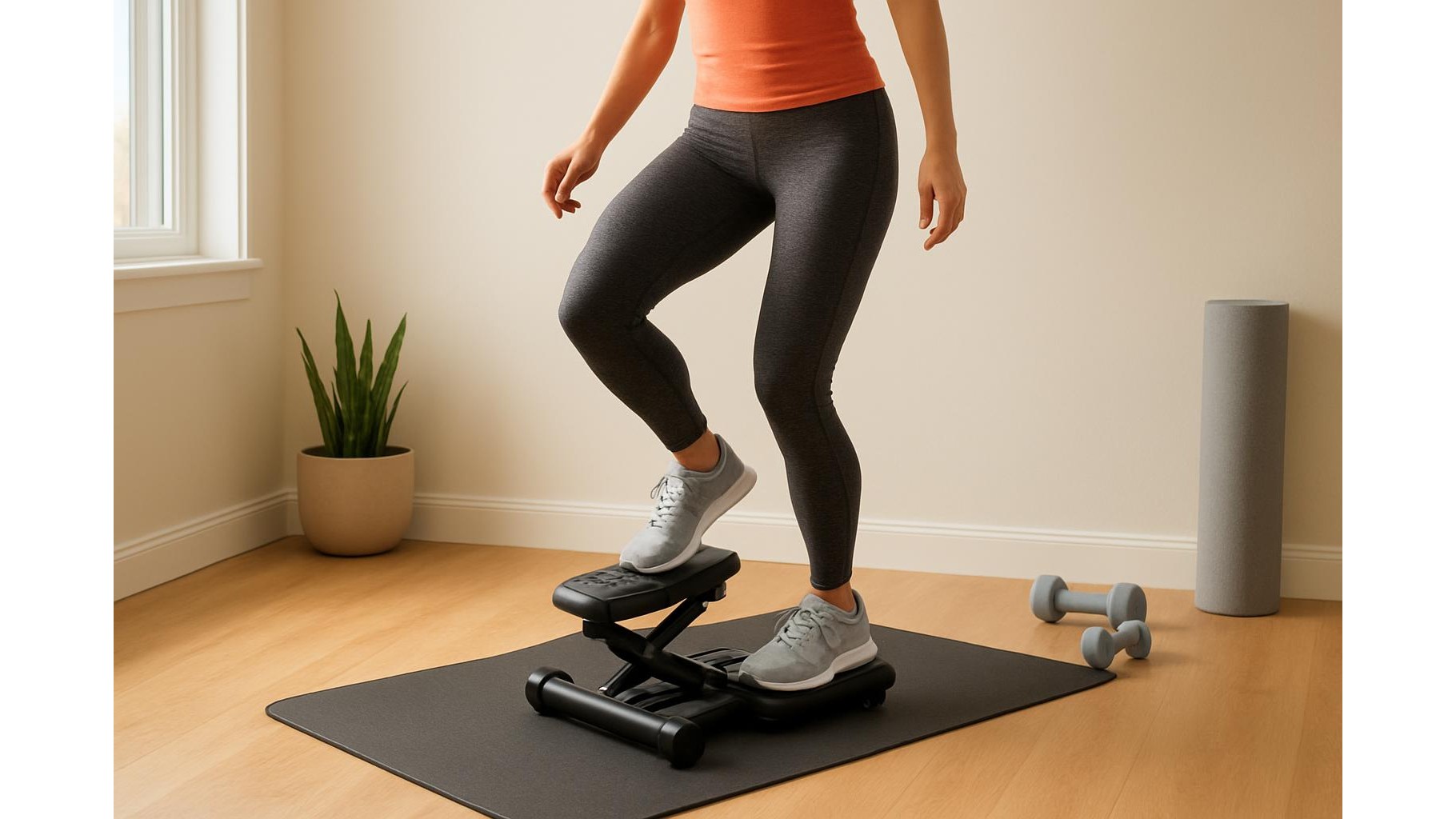
If you want low‑impact cardio that also shapes your hips and glutes, a lateral stepper can be a smart addition to your home gym. Unlike classic mini steppers that move only up and down, these compact machines add a side‑to‑side shift that challenges your stabilisers and mimics skating or skiing. Before you hit “buy now”, it’s worth understanding how these devices actually work, what features matter most, and how to pick a model that fits your space, fitness level and long‑term goals.
How lateral motion trains hips, glutes and core
The key benefit of a lateral stepper is its side‑to‑side motion. As your feet travel outward and inward, the movement targets the gluteus medius, hip abductors and the outer thighs more than a standard vertical stepper. This can improve hip stability, help balance out front‑dominant training (like squats and lunges) and support better knee alignment. At the same time, you need to keep your torso upright and steady, which activates your core muscles and lower back. For beginners, this pattern may feel unusual at first, so a model with smooth, predictable travel and a secure stance is essential to build confidence and avoid unnecessary joint stress.
Space, footprint and portability in a home setting
One of the main reasons people choose a lateral stepper for home use is its compact size. Most units have a very small footprint and can slide under a bed or into a cupboard. Before buying, check the product dimensions carefully and compare them with the area where you plan to train, allowing enough clearance at the sides for your legs to move freely. If you live in an apartment, look for models advertised as quiet or low‑noise, with non‑slip rubber feet to reduce vibration on hard floors. A built‑in carry handle or lightweight frame is useful if you need to move the stepper in and out of a room regularly, especially in multipurpose spaces like living rooms or home offices.
Resistance systems and workout intensity options
Not all lateral steppers feel the same underfoot. Some rely on simple hydraulic pistons that provide fixed resistance: they are usually affordable and compact, but the resistance can heat up and fade slightly during longer sessions. Others use adjustable resistance with multiple levels, letting you fine‑tune the intensity for beginners or more advanced users. A small LCD display is a plus, as it can track time, steps, estimated calories and sometimes stride rate, helping you structure interval sessions or steady‑state cardio. When reading product descriptions, look for references to smooth motion and check the maximum user weight limit to ensure stability and durability for your body size.
Stability, safety and comfort features to check
Because lateral stepping challenges your balance, safety and comfort features are crucial. Prioritise models with non‑slip footplates that have a textured surface or raised edges to prevent your feet from sliding during sweaty workouts. A sturdy steel frame and wide base improve lateral stability, reducing the risk of tipping when you lean into the side‑to‑side motion. If you are new to exercise or have balance concerns, consider a lateral stepper that includes support handles or can be positioned near a wall or rail for extra confidence. Adjustable step height or stride length can also help you dial in the right range of motion for your joints, starting with shorter, controlled steps before progressing to deeper, more demanding strides.
Integrating a lateral stepper into your weekly routine
To get real benefits from a lateral stepper workout, treat it as a planned part of your weekly schedule rather than an occasional gadget. Beginners might start with 10–15 minutes, three times per week, focusing on smooth, rhythmic movement and posture. As your fitness improves, you can progress to 20–30 minute sessions or introduce interval training (for example, 1 minute faster stepping followed by 1–2 minutes easy). Pair lateral stepping with strength training for the upper body and core, or with mobility work for the hips and ankles, to build a well‑rounded home fitness routine. The low‑impact nature makes it suitable for days when running or jumping would be too stressful, yet you still want to elevate your heart rate and challenge your lower body in a different plane of motion.
A lateral stepper can be an efficient, space‑saving solution for side‑to‑side cardio at home, especially if you want to strengthen your hips and glutes without investing in a large machine. By carefully checking footprint, resistance system, stability features and comfort details before you buy, you can choose a model that matches your space, fitness level and training style. Integrated thoughtfully into your weekly routine, this compact tool can diversify your cardio, support joint health and keep your home workouts both challenging and engaging over the long term.









