If you train at home, you have probably heard that vitamin E is a powerful antioxidant that can protect your muscles from damage. But between bold marketing claims and confusing dosage advice, it is hard to understand what vitamin E really does, when it helps, and when supplements are unnecessary or even risky. This guide looks at the evidence so you can decide if vitamin E belongs in your home athlete routine and how to prioritise food sources over capsules.
What vitamin E really does in your body
Vitamin E is a fat‑soluble vitamin whose main proven role is to act as a lipid‑phase antioxidant. It helps protect the fats in your cell membranes and blood lipoproteins from oxidative damage caused by free radicals. For home athletes, that means vitamin E contributes to maintaining cell integrity during everyday life and exercise. However, normal training‑induced oxidative stress is not automatically harmful; it is also a signal that drives adaptation and improvements in fitness. Current evidence suggests that while adequate vitamin E is essential for health, high‑dose supplementation does not reliably improve performance, strength or recovery in otherwise healthy, well‑fed people, and may even blunt some training adaptations when taken in excess.
Food sources first: how home athletes can meet their needs
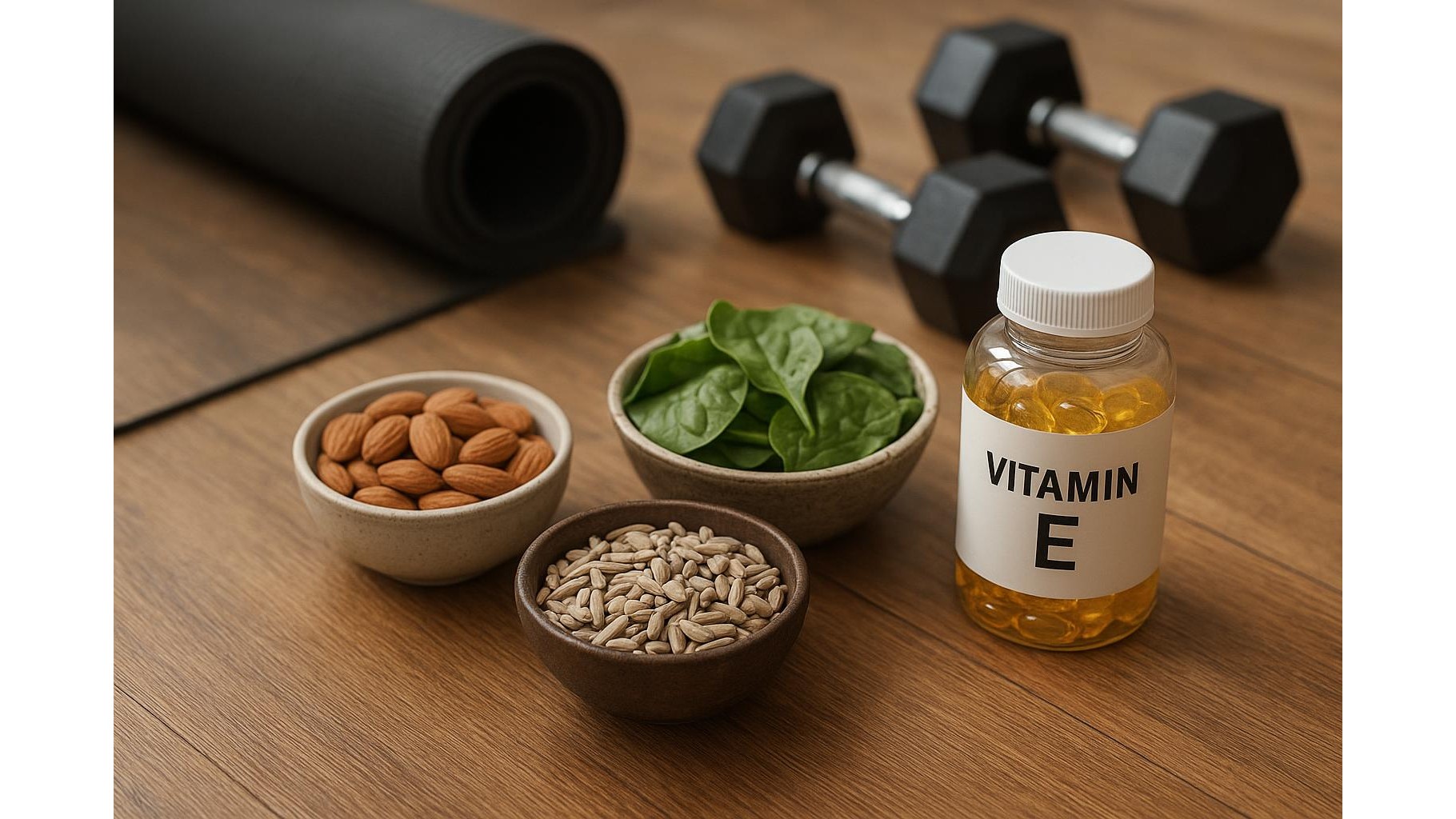
For most people who train at home, the smartest approach is to prioritise vitamin E from whole foods. Rich sources include nuts and seeds (almonds, hazelnuts, sunflower seeds), vegetable oils (sunflower, safflower, wheat germ oil), and to a lesser extent green leafy vegetables. Because vitamin E is fat‑soluble, it is better absorbed when eaten with some dietary fat. A typical requirement for adults is around 12–15 mg of vitamin E per day, which you can easily reach with a handful of nuts and some vegetable oil in your meals. Building these foods into your home athlete diet supports not only antioxidant protection, but also overall energy intake, healthy fats and satiety, which are crucial for muscle growth, fat loss and consistent training.
When vitamin E supplements might be useful
While whole foods should cover most needs, there are specific situations where vitamin E supplements can be helpful. People with very low‑fat diets, fat‑malabsorption conditions (such as certain gut or liver diseases), or those following extremely restrictive diets might struggle to get enough vitamin E from food alone. In these cases, a low‑to‑moderate dose supplement can help fill the gap under the guidance of a health professional. Some older adults or very high‑volume endurance athletes with poor dietary patterns might also benefit from correcting a marginal deficiency, which can manifest as weakness, immune changes and neurological symptoms over time. However, using vitamin E capsules as a shortcut instead of fixing an unbalanced diet is rarely a good long‑term strategy.
Safe doses, upper limits and avoiding excess
Because vitamin E is fat‑soluble, it can accumulate in the body at very high intakes. For adults, expert bodies set a tolerable upper intake level of around 540 mg/day (about 800 IU) of alpha‑tocopherol, but you do not need anywhere near this amount for health. Typical daily multivitamins contain 10–30 mg, which is generally safe when combined with a balanced diet. Problems arise with high‑dose vitamin E supplements (often 200–400 IU or more) taken long term without medical indication. Some studies have linked chronic high intake to an increased risk of bleeding and potential interactions with certain medications. For home athletes, there is no evidence that mega‑doses improve strength, hypertrophy or endurance. A prudent target is to meet your base needs with food and, if needed, use low‑dose supplements that keep your total intake within standard guidelines.
Interactions with other supplements and your training
Home athletes often combine vitamin E with other antioxidant supplements like vitamin C or various plant extracts. While this might sound protective, high combined doses can actually interfere with the body’s own redox signalling and potentially blunt some training‑induced mitochondrial and muscle adaptations. Vitamin E can also interact with blood‑thinning medications and possibly increase bleeding risk when combined with high doses of omega‑3 fatty acids or other supplements that affect clotting. If you already use a multivitamin, additional standalone vitamin E often adds no benefit and only raises your total intake. The most performance‑relevant “supplement stack” for a home gym athlete usually revolves around protein, creatine, and adequate carbohydrates, with vitamin E playing a background role via diet rather than as a star ergogenic aid.
Practical takeaways for home athletes
For people who train at home, the key is to view vitamin E as one piece of a broader nutrition strategy. Focus on a diet that includes daily portions of nuts, seeds, quality oils and vegetables, and you will likely meet your vitamin E needs without thinking about it. Consider a low‑dose supplement only if your diet is very limited or a health professional has identified a deficiency or special requirement. Avoid high‑dose antioxidant stacks that promise faster recovery or bigger gains; they have little supporting evidence and may undermine the very adaptations you are training for. By prioritising whole foods, sensible supplementation and structured training, you will get the real benefits of vitamin E—cell protection and long‑term health—without the risks of overdoing it.