
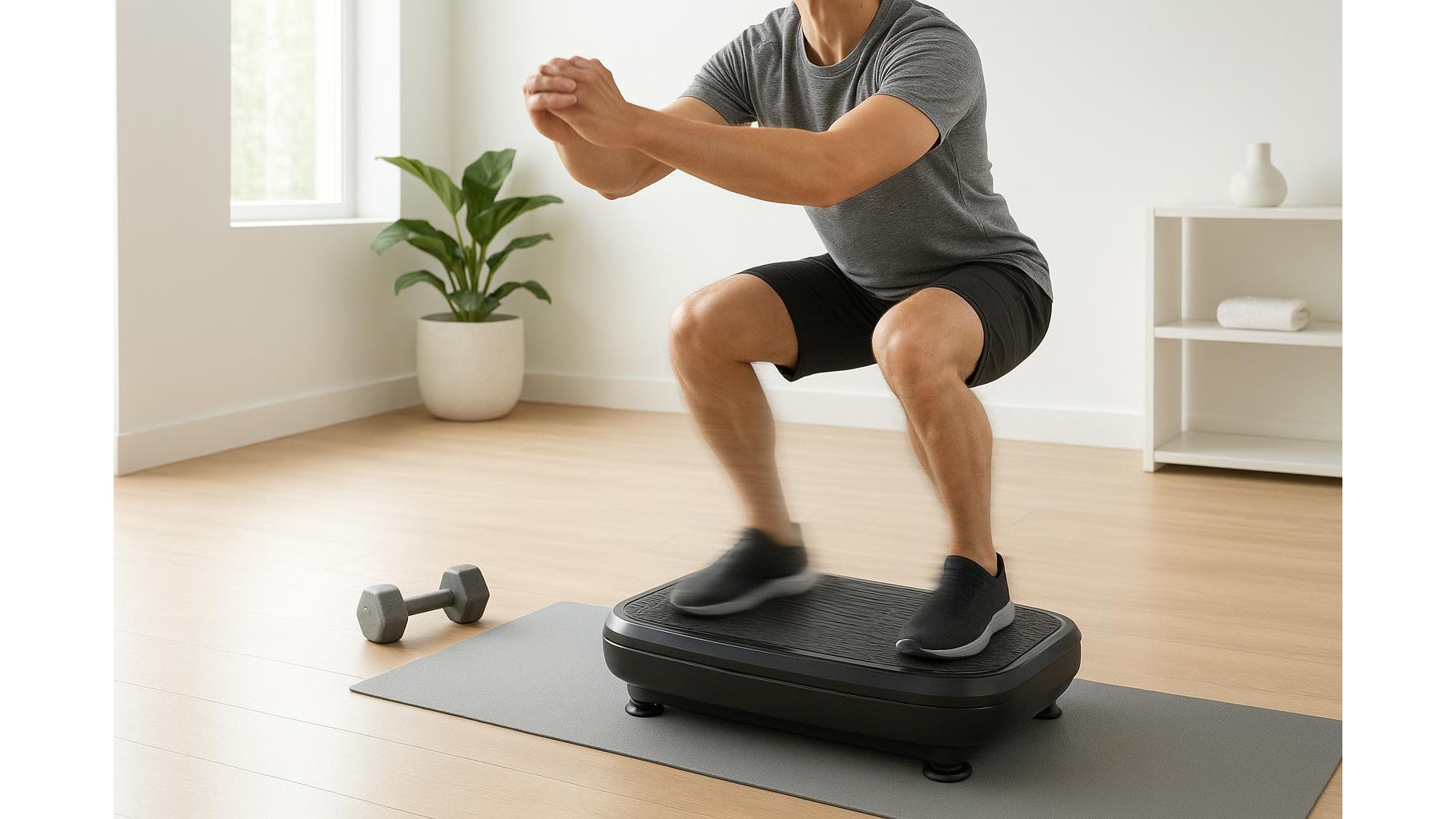
Vibration plates have moved from physio clinics and commercial gyms into the living room, promising easy home cardio, faster fat loss and improved recovery. While they can be a smart addition to a home gym, they are not a magic shortcut. Understanding what vibration training really does, how it compares to traditional cardio, and which features matter when choosing a plate will help you invest wisely and integrate it effectively into your routine.
How vibration plates work for home cardio
A vibration plate uses a motor to create rapid oscillations in the platform, forcing your muscles to contract reflexively to maintain balance. When you stand, squat or perform simple exercises on the plate, this increases muscle activation and perceived effort, even at low movement speeds. For cardio at home, this means you can elevate heart rate with small, controlled movements like quarter squats, step-ups or dynamic holds. However, the cardiovascular load is usually lower than brisk walking, cycling or running, so vibration plates work best as a complement to, not a replacement for, traditional aerobic exercise.
Realistic benefits: fat loss, strength and circulation
The main proven benefits of vibration training are improved muscle strength (especially in the lower body), better balance and support for bone density over time. For people who are deconditioned, older, or recovering from injury (with medical clearance), a plate can offer low‑impact loading when jumping and running are not an option. Claims of dramatic fat loss from simply standing on the platform are overstated: any reduction in body fat still depends on total calorie deficit and overall activity. Where vibration plates do help is by slightly increasing energy expenditure, making short bouts of exercise feel more challenging and improving blood circulation, which may reduce feelings of stiffness and improve recovery when combined with stretching.
Key limitations and safety considerations
Despite the marketing, a vibration plate is not a silver bullet for cardio fitness. Session duration is usually shorter (10–20 minutes), and it is hard to match the sustained heart‑rate elevation of steady‑state cardio like walking or cycling. Some users may experience discomfort such as joint irritation, headache or nausea if the frequency or intensity is too high. People with specific medical conditions—such as pregnancy, acute disc problems, recent surgery, severe cardiovascular disease or implanted devices like pacemakers—should seek medical advice before use. Safe practice means starting with moderate frequency and amplitude, using soft knees (never locked joints), and avoiding prolonged exposure of the head and neck to strong vibration.
How to choose the right vibration plate for your home gym
When choosing a plate, focus on build quality and training options rather than gimmicks. Look for a sturdy platform with a generous max user weight and a non‑slip surface so you can safely squat, lunge and perform core work. Multiple frequency settings (for example from around 5–12 Hz for gentle recovery work up to higher levels for strength and cardio) give you room to progress. Simple, clear controls and a remote can make home use easier, while preset programmes help beginners structure sessions. Noise level is important in apartments, as well as compact footprint and integrated wheels for storage. Prioritise models that include clear guidance or posters for home workouts over those with only flashy LEDs or speakers.
Integrating vibration plates with other home cardio machines
The best way to use a vibration plate is alongside other home cardio equipment such as a treadmill, exercise bike or rowing machine. Think of it as a versatile station for warm‑ups, intervals and recovery. You might start with 5 minutes of dynamic movements on the plate to activate glutes and core, then transition to 20–30 minutes of moderate cardio on another machine. On strength days, you can perform squats, calf raises and planks on the plate after your main lifts to add a new stimulus without heavy loading. For recovery, low‑frequency sessions with gentle stretches can help with mobility and perceived muscle soreness, supporting consistency in your overall training plan.
Who benefits most from vibration plates at home?
Vibration plates are particularly appealing if you have limited time, joint sensitivities or a mostly sedentary lifestyle and want to add short bouts of low‑impact exercise throughout the day. They can help older adults improve balance and leg strength, busy professionals top up their activity between meetings, or strength athletes add variety to accessory work and active recovery. However, they should be viewed as an extra tool rather than the foundation of your programme. Combine them with traditional cardio, progressive resistance training and a sustainable nutrition plan to see meaningful changes in body composition and fitness. Used this way, a well‑chosen vibration plate can be a valuable, compact addition to a long‑term home gym setup.
In summary, a vibration plate can be a helpful complement to your home cardio routine, providing extra muscular challenge, balance work and convenient low‑impact sessions. It will not replace the benefits of regular walking, cycling or running, but it can make your training more varied and accessible, especially if you struggle with joint pain or time constraints. Choose a solid, adjustable model, introduce it gradually, and integrate it with other machines and good lifestyle habits to get the most from this compact piece of home gym equipment.









