Training at home can be empowering for people with asthma, but it also comes with specific challenges. Without a coach watching your form or a medical team nearby, it’s crucial to understand how to protect your lungs, shape your environment and use smart breathing and recovery strategies. This guide gathers practical tips on warm-ups, breathing techniques, room adjustments and cooldown habits to help you move confidently and safely in your home gym.
Preparing your lungs before every home workout
For home athletes with exercise-induced asthma, the warm-up is not optional; it’s your first line of defence. Start with 10–15 minutes of very gentle movement: marching in place, slow bodyweight squats and arm circles. Gradually raise your heart rate instead of jumping straight into intense intervals. Practice a slow nasal breathing pattern during this phase, inhaling through the nose and exhaling through pursed lips. This helps warm, filter and humidify the air before it reaches your airways, lowering the risk of a sudden bronchospasm. Keep your reliever inhaler close, follow your written asthma action plan if you have one, and avoid training when you are already wheezing, coughing or feeling chest tightness. A structured warm-up can transform difficult sessions into productive, symptom-controlled workouts.
Optimising your home environment for easier breathing
Your room setup can make or break a session when you live with asthma. Aim for a clean, well‑ventilated workout area: dust surfaces regularly, vacuum with a HEPA filter if you can, and keep windows slightly open when outdoor air quality allows. Avoid strong fragrances from candles, diffusers or cleaners, which can trigger symptoms. If you train on mats, wipe them down after use to reduce dust and sweat build‑up. Monitor temperature and humidity: very cold, dry air or hot, humid conditions can irritate the airways, so aim for a moderate, comfortable climate. If you notice that specific fabrics, pets or stored equipment provoke coughing, reorganise the room to keep those triggers away from your training zone. Treat your home gym like a mini breathing lab: every tweak that reduces irritation helps your lungs stay calmer during effort.
Breathing techniques to support performance and control symptoms
Deliberate breathing exercises can help stabilise your airways and improve control during home workouts. Practice diaphragmatic breathing lying on your back or sitting upright: place one hand on your chest and one on your belly, inhale slowly through the nose so the belly rises, then exhale through pursed lips for longer than the inhale. This pattern encourages full exhalation and reduces shallow, rapid breathing that often precedes symptoms. During strength training, exhale through effort (for example when standing up from a squat) and avoid breath‑holding, which increases chest pressure. In cardio intervals, use a rhythm such as two steps in, two steps out, adjusting according to intensity. When you sense early warning signs—mild tightness, slight wheeze—pause, stand tall or sit, and return to slow pursed‑lip breathing until your breathing settles. Making these techniques automatic will help you stay calm and in control rather than panicking when sensations change.
Recovery routines and cooldown habits that protect your lungs
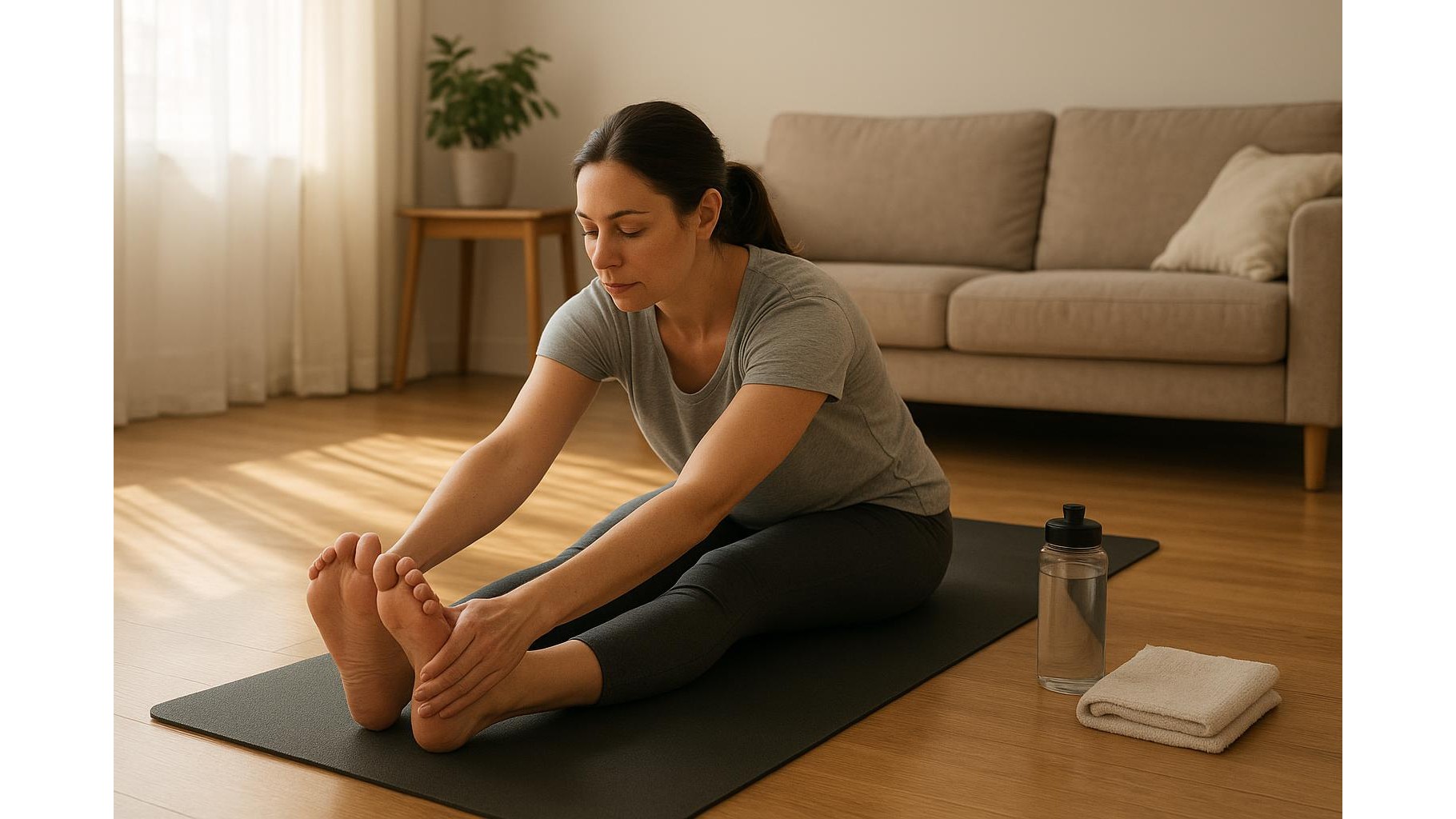
Finishing a session well is just as important as starting it safely. Plan at least 5–10 minutes for a structured cooldown where you gradually lower intensity: walk slowly around the room, then hold gentle stretches for your hips, chest and shoulders while focusing on long, relaxed exhalations. Avoid lying flat immediately if it makes breathing feel heavier; try a slightly elevated seated position instead. Pay attention to delayed symptoms in the first 30–60 minutes after training—coughing, wheezing or chest tightness that appears once you stop can be a sign that your workout was too intense or your environment too irritating. Keeping a simple log of sessions, perceived effort and symptoms helps you adjust duration and intensity over time. Build recovery habits outside training too: consistent sleep, hydration and medication adherence reduce overall airway irritability, allowing you to tolerate more activity with fewer setbacks.
Building confidence and a sustainable home training routine
Living with asthma does not mean giving up on performance; it means learning how your lungs respond and designing a routine around that knowledge. Combine progressive, well‑planned training sessions with the strategies above: thorough warm‑ups, mindful breathing, smart room setup and unhurried cooldowns. Start with shorter, low‑impact workouts and only increase one variable at a time—either duration, intensity or complexity—so you can clearly see what your body tolerates best. Keep your medication plan up to date with your healthcare provider and be clear on which symptoms require you to stop training. Over time, these structured habits turn into an automatic system that supports both safety and progress. With the right breathing and recovery strategies, home athletes with asthma can build strength, endurance and confidence while respecting the limits of their lungs.