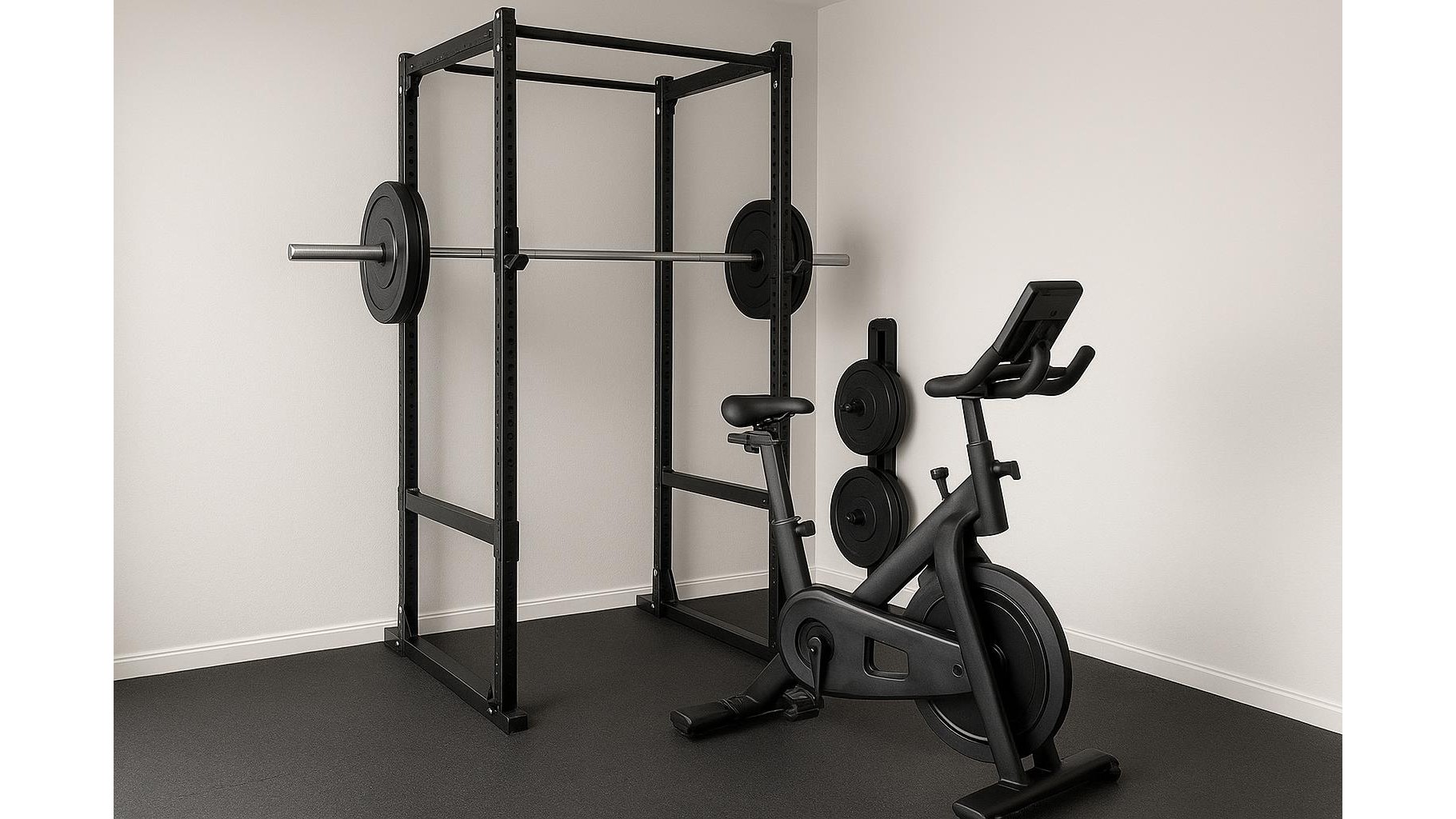
If your main goal is to add kilos to your squat, deadlift and bench press, the wrong home cardio choice can quietly sabotage your progress. Too much eccentric leg loading, joint pounding or poorly timed sessions can leave your legs flat on heavy days. The good news: with a bit of planning you can build a cardio corner that boosts conditioning and recovery without stealing from your strength. Here’s how to choose machines and use them intelligently so your lungs improve while your bar speed stays snappy.
Understand the demands of strength-focused cardio
Strength athletes need cardio for better work capacity, health and faster between-set recovery, but they must manage fatigue. The key is limiting extra eccentric stress on the legs and avoiding long, grinding sessions that mimic another leg workout. Favour low-impact, cyclical modalities that you can push hard when needed, but also cruise on for easy recovery. Short, controlled intervals and longer Zone 2 sessions both have a place: the former for peak conditioning, the latter for building an aerobic base that supports high-volume training. Whatever you choose, intensity and frequency should be set around your heavy lower-body days so your quads and glutes are fresh when it matters.
Why bikes are often the best friend of lifters
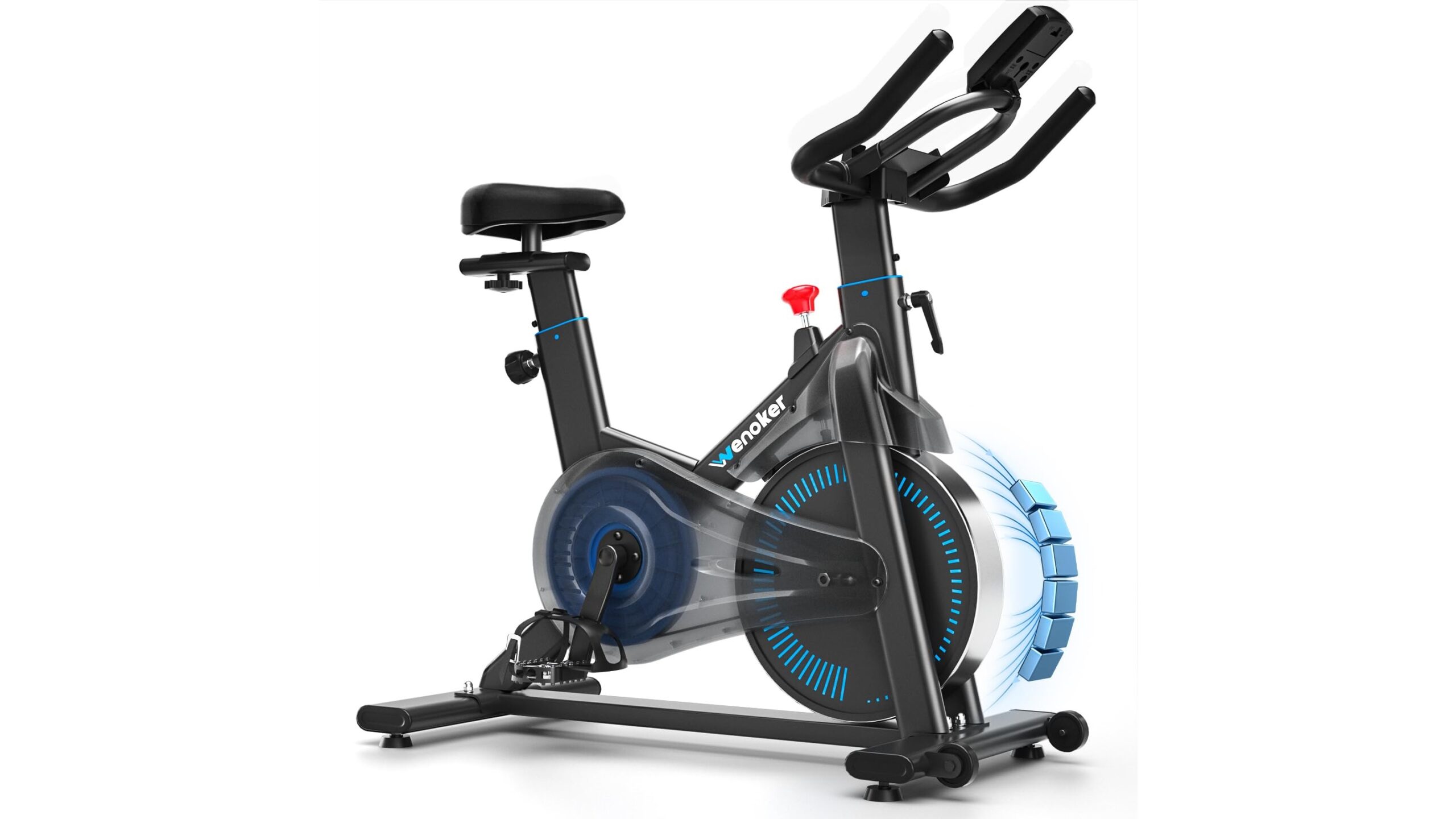
For most strength athletes, a stationary bike is the easiest win: minimal joint impact, adjustable resistance and almost no eccentric loading. Upright or air bikes let you drive with the legs without the pounding of running, and they’re ideal for both easy 20–30 minute recovery rides and brutal interval sessions. If you want fan resistance that scales automatically with your effort, look for an air bike that keeps your hips stable and allows a neutral spine position during hard sprints. A good bike also shines on lower-body deload weeks: you can maintain conditioning with higher frequency, low-intensity rides while your squat volume drops, so you return to heavy training without feeling deconditioned.
Rowers: full-body conditioning without wrecking your squat
A rowing machine gives you serious, full-body conditioning that still plays nicely with heavy barbell work if you manage technique and dosage. Magnetic or water rowers provide smooth, consistent resistance and tend to be quieter for home gyms. Focus on a strong hip hinge, braced torso and a controlled recovery to avoid turning each stroke into extra eccentric quad work. Rowing is excellent for posterior chain endurance and mid-back stability, which can indirectly support deadlifts and squats. Use it for moderate-length, steady sessions on upper-body or light days, and cap your high-intensity intervals to short bouts so you don’t accumulate excessive lower-body fatigue.
Treadmills and impact: when running makes sense
Treadmills are the most familiar cardio option, but they’re also the easiest way to trash your heavy leg sessions if you run hard and often. Repeated impact, especially at higher speeds or incline, adds significant stress to knees, ankles and hips. If you include treadmill work in a strength-focused home gym, think like a powerlifter: keep most sessions in an easy, conversational Zone 2, and use incline walking rather than jogging for conditioning. Reserve faster intervals for blocks where leg fatigue is less critical, and schedule them as far as possible from your heaviest squat and deadlift days. Prioritise models with good cushioning and stable decks to reduce impact on joints.
Programming cardio around squats, deadlifts and heavy days
Machine choice is only half the story; the other half is when and how you use it. To keep your legs fresh, place longer cardio sessions on upper-body days or the day after heavy lower-body training, using low intensity to promote recovery. Limit intense intervals to 1–2 times per week and avoid putting them within 24 hours of your heaviest squat or deadlift sessions. Think of cardio as a tool to increase your weekly work capacity: start with 2–3 low-impact sessions of 20–30 minutes, then progress slowly. Track how bar speed and perceived effort feel in the squat rack; if performance dips, reduce intensity or duration rather than abandoning cardio altogether.
Pick cardio machines that minimise joint stress, fit your space and support your main goal: getting stronger. Bikes and rowers are usually the most strength-friendly options, while treadmills demand more careful programming. By adjusting intensity, timing and frequency around your heavy days, you can build a powerful cardio corner that enhances conditioning, supports recovery and improves your long-term training capacity without killing your squats.