Training at home should feel empowering, not like a gamble with your gut. If you live with IBS or a sensitive stomach, the wrong pre-workout supplement can trigger cramps, bloating or emergency bathroom trips just when you’re ready to smash your session. This guide explains how to choose gentler formulas, how to time and dose them, which ingredients to avoid, and how to pair them with food so you can enjoy home workouts without wrecking your digestion.
Understanding why pre-workouts upset sensitive stomachs
Most classic pre-workout products are designed for intensity, not comfort. High doses of caffeine, strong sweeteners, and heavy pump blends can pull water into the gut, speed up motility and irritate the intestinal lining. If you deal with IBS, reflux or general gut sensitivity, this can translate into nausea, loose stools or painful bloating just as you start your home session. Triggers vary person to person, but stimulants, sugar alcohols (like sorbitol) and massive servings of certain amino acids are common culprits. The goal isn’t to ditch pre-workouts forever, but to find lower-stress options and adjust how you take them so energy and focus go up while digestive distress stays down.
Key ingredients and label red flags for sensitive digestion
When scanning a pre-workout label, focus on what’s inside and how much. For sensitive stomachs, be wary of very high caffeine doses (often 250–350 mg per serving), large amounts of beta-alanine (which can cause tingling and flushing), concentrated creatine blends on an empty stomach, and sugar alcohols or intense artificial sweeteners. Instead, look for moderate-stimulant or stimulant-free formulas with transparent dosing, simple ingredient lists and minimal fillers. Gentler actives to prioritise include modest caffeine (around 100–150 mg if you tolerate it), L-citrulline or citrulline malate for blood flow, and electrolytes to support hydration. If you’re highly reactive, consider products that are caffeine-free, sweetened lightly, and clearly labeled as suitable for those with sensitive digestion or IBS.
Dosing strategies and timing that protect your gut
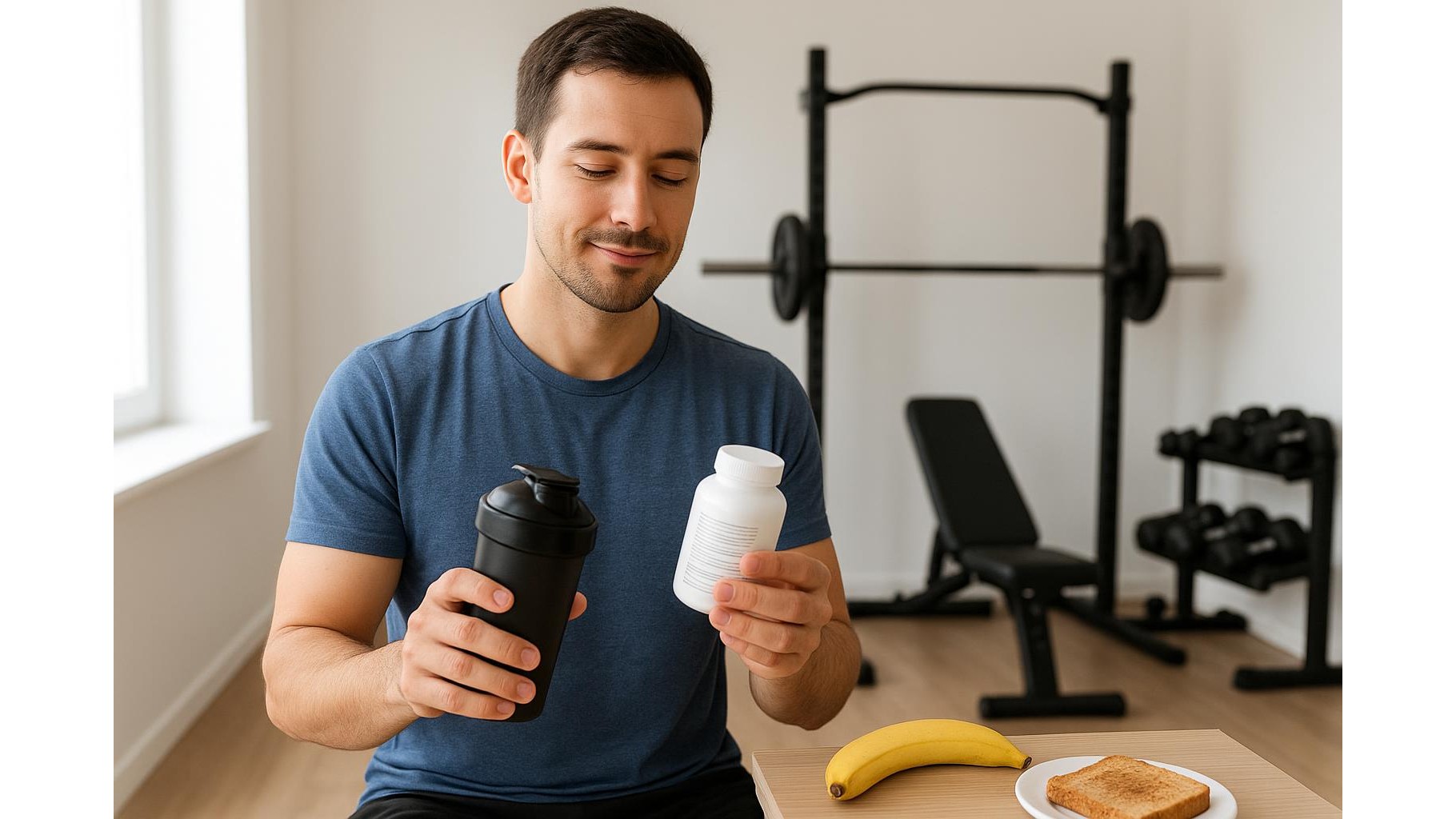
Even the best-chosen supplement can cause trouble if you take it the wrong way. Home athletes with sensitive digestion often do better starting with half a serving to test tolerance, then slowly increasing if symptoms stay calm. Take your pre-workout with a small snack rather than on a totally empty stomach: a slice of toast with nut butter, a banana, or a small bowl of oats can buffer your gut and smooth absorption. Aim to drink the mixture at least 30–45 minutes before your session so any mild discomfort settles before you start moving. Sip it gradually instead of slamming the whole shaker at once, and keep a bottle of water nearby during training to stay hydrated, which helps minimise cramping and nausea.
Food pairings and simple home alternatives to classic pre-workouts
If powdered supplements keep upsetting your stomach, build a gentler pre-workout routine around whole foods. Many home athletes with IBS do well with a combination of easily digestible carbs and a small amount of protein: for example, white toast with a thin layer of peanut butter, rice cakes with jam, or a lactose-free yoghurt with a bit of honey. These options provide steady energy without overloading fibre or fat, which can trigger symptoms before exercise. You can add a small cup of coffee or tea if you tolerate caffeine, or skip stimulants entirely and focus on breathing drills and a thorough warm-up to raise alertness naturally. For some, even a simple electrolyte drink and a banana is enough to power a strong home workout without digestive drama.
Adjusting your home training to work with your gut, not against it
Pre-workout comfort isn’t only about what you drink; it’s also about how you structure your home training. High-impact, high-intensity intervals right after taking a supplement may worsen reflux or cramping, whereas starting with gentle mobility, core activation and light cardio gives your gut time to settle. Keep your training space cool and well ventilated to reduce nausea from overheating. If you notice certain moves (like deep twists, heavy crunches or jumping) consistently trigger symptoms, place them later in the session or swap them for friendlier variations. Track what you eat, drink and how you train in a simple log: over a few weeks you’ll see patterns that help you fine-tune both your pre-workout nutrition and your exercise selection to better suit your digestion.
Finding a pre-workout strategy that doesn’t wreck your digestion is absolutely possible, even if you’re dealing with IBS or a very sensitive stomach. By choosing simpler, gentler formulas, avoiding common trigger ingredients, dosing conservatively, and pairing supplements with the right foods, you can support energy, focus and performance during your home workouts while keeping gut discomfort to a minimum. Listen to your body, make small adjustments, and treat your digestion as an ally in your training rather than an obstacle.